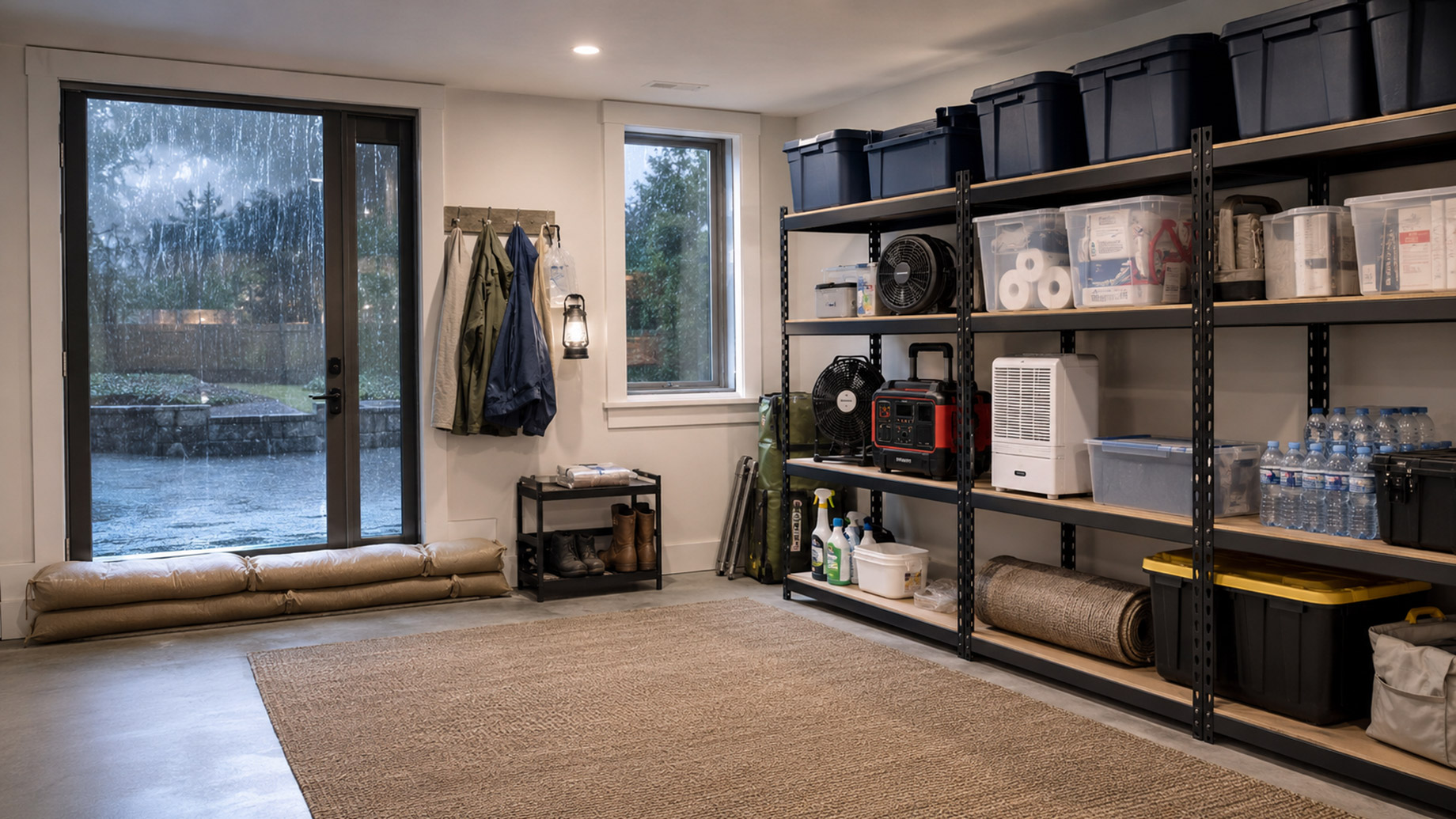
Indoor flood preparation should begin well before a warning is issued. In the United States, flooding remains a leading cause of property loss after major storms, and interior damage can spread quickly through flooring, wall cavities, and electrical systems. A clear room-by-room plan helps households protect medications, reduce contamination, and limit moisture-related hazards. Simple actions, such as raising stored items and checking weak entry points, can make a meaningful difference when water arrives fast.
Check Risk First
Every interior decision should start with a realistic look at flood exposure. Residents should review local flood maps, street drainage, and past water patterns near the structure. Reliable guidance on how to prepare for flooding in your home can help households connect likely water depth with storage choices, room use, and supply placement. That early review also reduces rushed decisions during severe weather, when judgment often narrows under pressure.
Move Utilities and Valuables
Lifting vulnerable belongings is one of the quickest ways to reduce loss. Electronics, paper records, keepsakes, and prescription supplies should be placed on upper shelves or sturdy platforms. Large appliances in low rooms also deserve attention, especially washers, dryers, and freezers. In basement spaces, paint, cleaning chemicals, and fuels should be stored in sealed containers above expected water levels. Water heaters and furnaces should be evaluated before storm season begins.
Seal Low Entry Points
Floodwater often enters through small openings before it reaches the main living areas. Door sills, window wells, vent covers, utility penetrations, and foundation cracks should be inspected closely. Caulk and fitted barriers may slow seepage, which can buy valuable time during a rising water level. Interior doors near shutoff valves should stay easy to open under damp conditions. Minor leaks matter because moisture can travel beneath flooring and into wall materials without being immediately visible.
Choose Better Materials
Material choice affects cleanup, drying time, and later mold risk. In lower rooms, tile, closed-cell insulation, moisture-tolerant trim, and washable wall finishes usually perform better than absorbent surfaces. Those options can limit swelling, staining, and hidden microbial growth after standing water recedes.
Flooring Matters
Soft floor coverings hold moisture longer than many people expect. Thick carpet, untreated wood, and dense padding can trap water deep below the surface. Hard flooring and removable rugs are easier to clean, inspect, and dry with steady airflow.
Build Drainage Paths
Interior preparation also depends on how water exits once it gets inside. Floor drains should remain clear, and sump pumps should be tested before heavy rain periods. Backflow valves can reduce the chance of sewage entering lower fixtures, which adds a serious health concern to water damage. Exterior grading still matters because runoff that pools near the foundation can push moisture inward. Routine maintenance often prevents indoor backup from becoming a larger sanitation problem.
Prepare Power and Air
Water and electricity create immediate danger inside a flooded house. Portable lights, charged battery packs, and dry extension cords should be stored well above floor level. If rising water reaches outlets, switches, or plugged devices, those rooms should be avoided completely. After reentry, ventilation becomes important because trapped humidity supports mold growth and surface decay. Dehumidifiers, fans, gloves, and protective masks help make early cleanup safer for occupants.
Create a Fast Indoor Plan
A written indoor plan reduces delay when conditions worsen quickly. Households should decide who gathers medications, who moves pets, and who lifts small appliances or important papers. Upper-floor refuge areas should be selected in advance for short-term shelter. If officials call for evacuation, that order should be followed without extra packing or last-minute searching. Practice runs can improve recall, lower stress, and reduce the chance of leaving critical items behind.
Stock Cleanup Supplies
Recovery is safer when essential supplies are already inside the home. Waterproof boots, heavy gloves, contractor bags, mops, disinfectant, flashlights, and plastic sheeting support the first stage of cleanup. Printed insurance contacts and photo records of each room can help document damage after the event. Manual can openers and stored drinking water also matter during power loss. Weak cell service or damaged devices can make paper records far more useful than expected.
Conclusion
Interior flood readiness depends on practical choices made early, then reviewed often. Raising valuables, protecting utilities, improving drainage, and choosing moisture-tolerant finishes can reduce both structural damage and health risk. Those measures also support safer reentry by lowering exposure to electrical hazards, contamination, and mold. No single step solves every problem, yet a careful indoor plan gives households a stronger chance to protect property, preserve essential supplies, and recover with less disruption.
