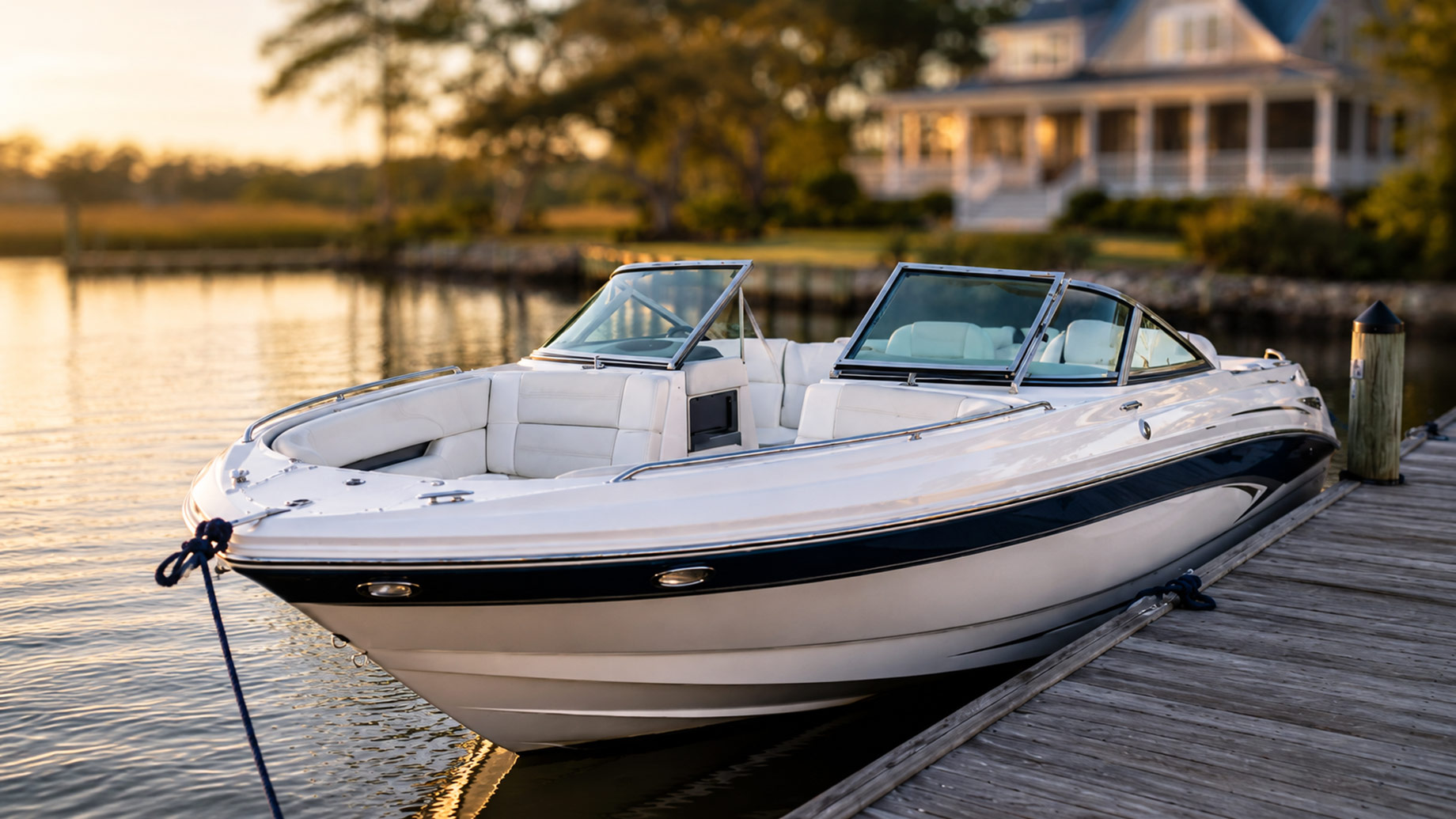
A waterfront home is only half the dream. The other half is out on the water, and that means choosing a boat that fits your shoreline and your life. Get it right, and the dock becomes the best room on the property.
The choice is bigger than horsepower and price, though. A trusted boat dealer in Washington NC can match the boat to your water and how you plan to use it. This guide walks through picking a vessel that earns its slip for years.
Why Does a Boat Belong With a Waterfront Home?
Because it turns a view into an experience. A screen door onto the water is lovely, but a boat lets you actually use it.
Waterfront property and boating grew up together. The appeal of coastal living is the access, and a boat is how you cash in on that access daily. Sunset cruises, sandbar afternoons, and easy fishing all start at your own dock.
There is a practical side too. A well-kept dock and the right vessel can lift a property’s appeal and its resale story. Buyers of waterfront homes expect the water to be part of the package.
Which Type of Boat Fits Your Water?
Match the hull to the body of water first. The wrong style feels cramped, slow, or unsafe in the wrong setting.
- Pontoons suit calm lakes and easy, social cruising.
- Bowriders work well for day trips and watersports.
- Center consoles handle open water and serious fishing.
- Cruisers add cabins for overnight trips and long weekends.
- Wake boats are built for skiing, surfing, and tubing.
Think about depth, chop, and how far you will roam. A coastal inlet and a quiet inland lake ask for very different boats.
What Should You Weigh Before Buying?
Start with how you will really use it. Owners tend to overbuy on size and underthink the details.
Be honest about passengers, activities, and your comfort with maintenance. Reviewing the buying-a-boat fundamentals early helps you shortlist with clear eyes. New offers a warranty and the latest features, while used stretches the budget further.
Storage is part of the decision, not an afterthought. A boat that lives on a lift stays cleaner and lasts longer than one left in the water year-round. Think about winter storage too if your season is short, because indoor space fills up fast near popular waters.
New or Used, and How Big?
Bigger is not always better on the water. A boat you can dock, tow, and clean easily gets used far more than a giant that intimidates you.
Right-size to your dock and your crew. A 20 to 25 foot boat covers most family needs without the cost and hassle of a much larger hull.
What Does Boat Ownership Actually Cost?
The sticker price is only the beginning. Plan for the ongoing costs before you fall for a hull.
- Dockage or a lift, unless you trailer the boat.
- Insurance, which varies with size, power, and use.
- Fuel, winterizing, and routine engine service.
- Cleaning, detailing, and hull maintenance.
- Registration and any local waterway fees.
A common rule of thumb budgets around 10 percent of the purchase price per year for upkeep. Knowing that number up front keeps ownership a joy rather than a surprise.
New owners should also budget time for safe boating education, which many insurers reward with a lower premium. A short course pays for itself in both confidence and cost.
How Do You Buy With Confidence?
Lean on people who know the water. A local dealer understands your lakes, tides, and launch points better than any distant listing.
Take a sea trial, and pay for a survey on any used boat. New models keep arriving each year across the boating industry, so there is no need to rush a decision. Even better with the right boat, lakefront living rewards a little patience in the search.
A good dealer also handles service after the sale. That relationship matters more than a small saving on the day you buy.
A Waterfront Buyer’s Boat Checklist
- Match the hull style to your specific body of water.
- Size the boat to your dock, crew, and towing needs.
- Budget roughly 10 percent of the price for yearly upkeep.
- Weigh a new warranty against used-boat value.
- Take a sea trial and survey before you commit.
- Choose a local dealer who supports the boat afterward.
Getting the Most From Your Waterfront
The right boat is what turns a waterfront address into a way of life. Match it to your water, plan for the real costs, and buy from someone who stands behind it. Do that, and the best days at your home will be the ones spent just off the dock.
Frequently Asked Questions
What size boat is best for a first-time owner?
Many first owners are happiest in the 20 to 25 foot range. It is large enough for family outings yet easy to dock, tow, and maintain. Starting manageable means you actually use the boat instead of dreading it.
Is it cheaper to buy a new or used boat?
Used boats cost less up front and let your budget stretch further. New boats add a warranty, current features, and fewer early repairs. Weigh the savings against the peace of mind for how you plan to use it.
How much does boat ownership cost each year?
A common guideline is about 10 percent of the purchase price annually. That covers dockage, insurance, fuel, and routine maintenance. Costs rise with size and power, so factor them in before you buy.
Should I buy from a local dealer or a distant seller?
A local dealer knows your waters and supports the boat after
