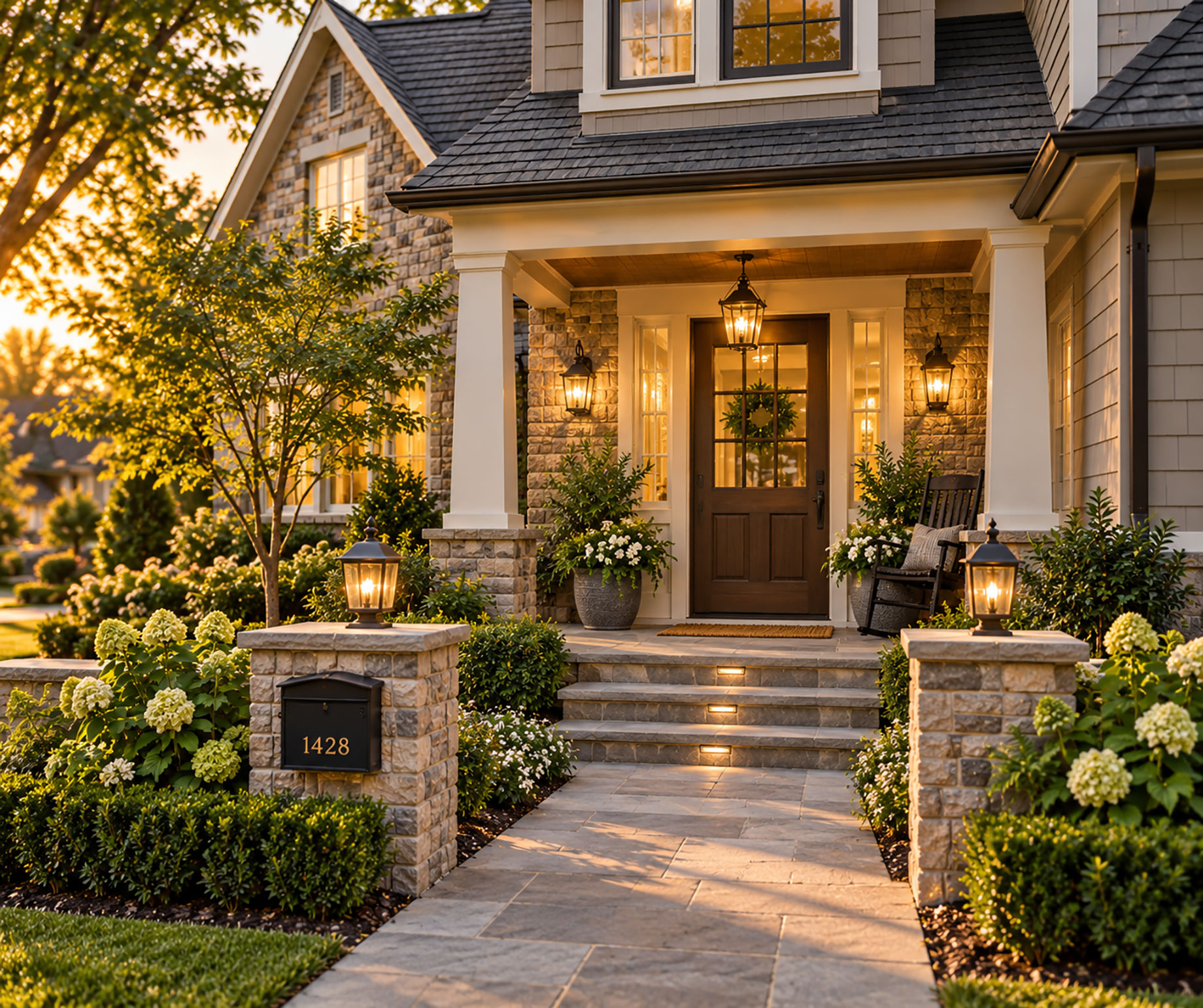
Finding the right neighborhood for your future home takes time and careful research. Buying a house is a major decision. The home itself matters, but the area around it matters just as much. Your neighborhood affects your daily routine, your comfort, and your long-term costs.
A beautiful house may seem perfect at first. However, a long commute, poor services, or constant noise can change how you feel about it later. Taking time to study the area before you buy can help you avoid these problems. It can also protect your investment for years to come.
Map Out Your Daily Commute
Your daily travel time can have a major effect on your quality of life. A long commute can leave you tired before your day even begins. Heavy traffic can also increase fuel costs and add stress.
Think about how far you will need to travel each day. Check the routes to work, schools, shops, and other places you visit often. Do not only check travel times during quiet hours. Look at travel times during the morning and evening rush.
If possible, drive the route yourself. This will give you a better idea of what the trip is really like. You can also browse available new homes from Ward Communities to compare different home layouts and locations.
A home near major roads may make travel easier. Still, being too close to a busy road can bring more traffic noise. Try to find a location that gives you easy access to main routes without putting you in the middle of heavy traffic.
Check Safety Ratings
Feeling safe in your neighborhood is important. Crime rates can also affect home values and buyer demand. For this reason, research local crime information before making a decision.
Do not rely only on what an area looks like during a quick visit. Visit the neighborhood at different times of the day. Check it during the morning, afternoon, evening, and later at night.
Pay attention to street lighting, parking, traffic, noise, and general activity. You may notice things that are easy to miss during a daytime visit.
You can also speak with people who already live in the area. Ask them about noise, traffic, safety, and other concerns. Their experience can give you useful information that may not appear in online reports.
Review Local School Districts
School quality can affect a neighborhood even if you do not have children. Strong schools often attract more families and can support steady demand for homes.
Research the local school district before you buy. Look at school ratings, graduation rates, student performance, and available programs. Also check how schools are expected to change in the future.
Inspect Infrastructure Plans
A neighborhood can change after you move in. New roads, shopping areas, housing projects, and other developments can affect your daily life.
Before buying, research local development plans. Check for planned road expansions, new construction, commercial projects, and zoning changes. These projects may improve the area, but they can also bring more traffic, noise, or construction.
Make a Careful Choice
Choosing the right neighborhood takes more than finding a house that looks good. You need to think about travel time, safety, schools, amenities, future development, and ongoing costs.
A little extra research now can prevent major problems later. Compare several areas before making your decision. Visit each one more than once and look at how the neighborhood fits your daily routine. Check out the rest of our articles for more information!
