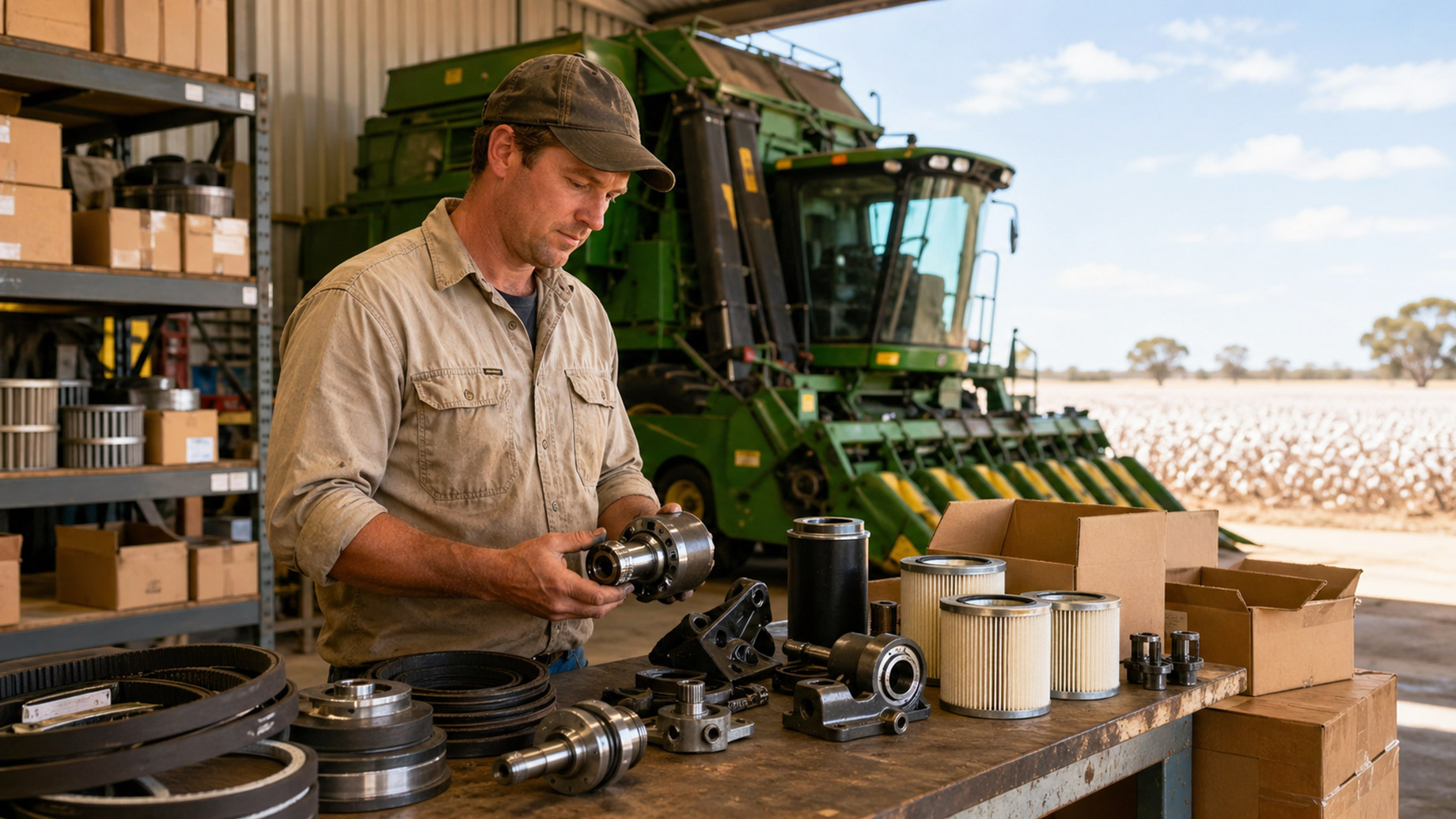
Buying cotton picker parts in Australia can quickly become expensive if you are not careful about where you source components, how you compare prices, and what factors influence cost. Many growers and contractors assume that higher prices mean better quality or faster delivery, but that is not always the case. With the right approach, you can secure reliable parts while keeping your costs under control and your machinery running efficiently. This guide walks through practical strategies to help you avoid overpaying while still getting the performance and durability you need.
Understand What Parts You Actually Need
Before making any purchase, it is important to clearly identify the exact parts required for your cotton picker. Ordering the wrong component or buying unnecessary extras is one of the easiest ways to overspend. Start by checking your equipment manual and confirming part numbers. If you are unsure, consult a technician or supplier who specializes in cotton harvesting equipment. Precision matters because even small variations in parts can affect compatibility and performance. When you know exactly what you need, you avoid guesswork and reduce the risk of costly returns or delays.
Compare Multiple Suppliers
One of the most effective ways to avoid overpaying is to compare several suppliers before making a decision. Prices for cotton picker parts in Australia can vary significantly depending on the distributor, location, and availability. Do not rely on a single quote. Reach out to at least three reputable suppliers and request pricing, availability, and delivery timelines. This process not only gives you a clearer picture of the market rate but also helps you identify suppliers who may be overcharging. Keep in mind that the cheapest option is not always the best, but consistent price comparisons will help you find fair value.
Consider Aftermarket vs. Genuine Parts
A major cost factor when buying cotton picker parts in Australia is whether you choose genuine manufacturer parts or aftermarket alternatives. Genuine parts are designed specifically for your machine and often come with warranties, but they are usually more expensive. Aftermarket parts can be more affordable and still deliver solid performance if sourced from reputable manufacturers. The key is to evaluate the quality and reliability of aftermarket options. Look for suppliers with strong reviews and proven track records. In many cases, high-quality aftermarket parts can save you money without compromising functionality.
Buy in Bulk When Possible
If you operate multiple machines or anticipate ongoing maintenance needs, buying parts in bulk can lead to significant savings. Many suppliers offer discounts for larger orders, especially for commonly replaced components like spindles, belts, and filters. Planning ahead allows you to take advantage of these deals rather than paying higher prices for urgent, last-minute purchases. Bulk buying also reduces downtime since you have essential parts on hand when needed. However, avoid overstocking items that may become obsolete or degrade over time. Focus on high-use parts that you know will be needed regularly.
Time Your Purchases Strategically
Timing plays a bigger role in pricing than many buyers realize. Demand for cotton picker parts in Australia tends to increase during peak harvesting periods, which can drive up prices and limit availability. If possible, purchase parts during the off-season when demand is lower. Suppliers are often more willing to negotiate and may offer discounts to move inventory. Planning your maintenance schedule in advance allows you to avoid the premium costs associated with urgent, in-season purchases.
Evaluate Shipping and Logistics Costs
Shipping costs can significantly impact the total price of your purchase, especially if parts are sourced from overseas or distant regions within Australia. When comparing suppliers, always factor in delivery fees and estimated shipping times. A lower-priced part may end up costing more once freight is added. Look for suppliers with local warehouses or distribution centers to minimize shipping expenses and reduce wait times. In some cases, consolidating orders into a single shipment can also help lower overall logistics costs.
Build Relationships with Trusted Suppliers
Establishing long term relationships with reliable suppliers can lead to better pricing and service over time. When suppliers know you are a repeat customer, they may offer discounts, priority access to inventory, or flexible payment terms. Trust also reduces the risk of receiving substandard parts. Take the time to identify suppliers who consistently provide quality products and transparent pricing. Communication is key. Ask questions, seek recommendations, and stay informed about new products or promotions. Strong supplier relationships can be a valuable asset in managing your equipment costs.
Check for Warranties and Return Policies
Paying less up front does not always mean saving money in the long run. If a part fails prematurely or does not fit correctly, you could end up paying more for replacements and downtime. Always review the warranty and return policy before making a purchase. Reliable suppliers of cotton picker parts in Australia typically offer clear terms that protect your investment. A slightly higher-priced part with a solid warranty may be more cost-effective than a cheaper option with no support. Understanding these policies helps you make informed decisions and avoid unexpected expenses.
Use Online Marketplaces Carefully
Online platforms can be a convenient way to source cotton picker parts in Australia, but they also come with risks. While you may find competitive pricing, it is important to verify the credibility of the seller. Check reviews, ratings, and product descriptions carefully. Be cautious of deals that seem too good to be true, as they may indicate counterfeit or low-quality parts. Whenever possible, choose established sellers with a proven history in agricultural equipment. Secure payment methods and clear communication channels are also essential when buying online.
Stay Informed About Industry Trends
The agricultural equipment market is constantly evolving, and staying informed can help you make smarter purchasing decisions. Changes in technology, supply chains, and global demand can all influence the cost and availability of cotton picker parts in Australia. Subscribe to industry publications, attend trade events, and connect with other growers to stay updated. Being aware of trends allows you to anticipate price fluctuations and adjust your buying strategy accordingly. Knowledge is a powerful tool when it comes to avoiding unnecessary expenses.
Avoid Emergency Purchases
One of the most common reasons buyers overpay is the need for urgent repairs. When a machine breaks down during peak season, there is often little time to shop around for the best price. Suppliers may charge a premium for expedited orders or limited stock. Preventive maintenance is the best way to avoid these situations. Regular inspections and timely replacement of worn parts can reduce the likelihood of unexpected breakdowns. By planning ahead, you give yourself the flexibility to compare options and secure better deals.
Work with Experienced Technicians
Experienced technicians can provide valuable insights into which parts offer the best performance and longevity. Their expertise can help you avoid spending money on unnecessary upgrades or low-quality components. Technicians often have firsthand knowledge of which suppliers deliver consistent value and which parts tend to last longer in real-world conditions. Collaborating with professionals ensures that your purchasing decisions are based on practical experience rather than guesswork.
Final Thoughts
Buying cotton picker parts in Australia without overpaying requires a combination of research, planning, and strategic decision-making. By understanding your equipment needs, comparing suppliers, considering aftermarket options, and timing your purchases carefully, you can significantly reduce costs without sacrificing quality. Building strong relationships with trusted suppliers and staying informed about industry trends further enhances your ability to make cost-effective choices. With these strategies in place, you can keep your machinery running smoothly while protecting your bottom line.
