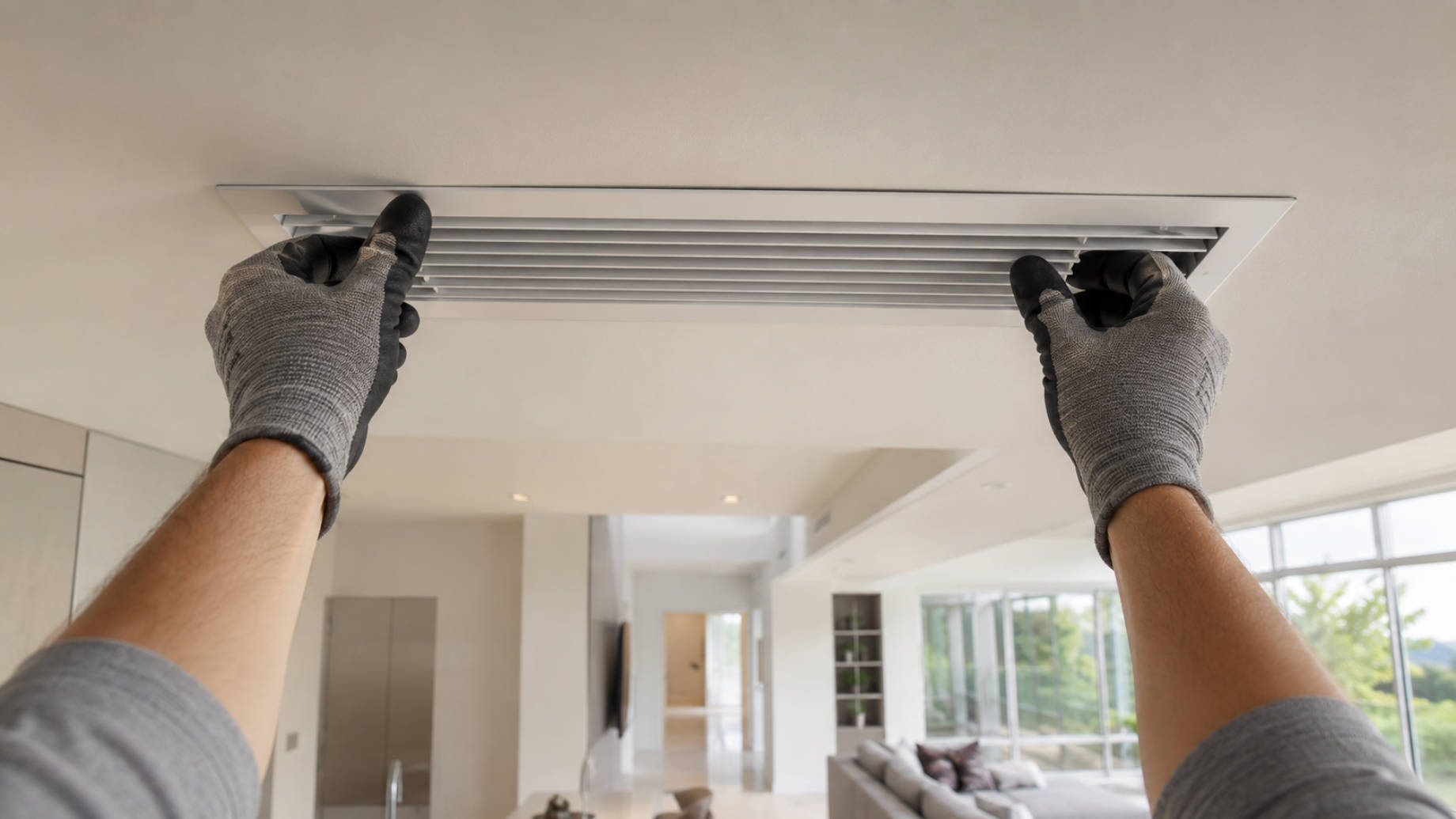
A dependable HVAC system does more than heat and cool a home. It helps regulate humidity, circulate air, maintain consistent temperatures, and support the performance of the property as a whole. Efficient Comfort is one example of a full-service residential provider, assisting homeowners who need services such as a furnace repair Thornton offering, as well as broader HVAC repair, replacement, maintenance, and preventive service plans. The company also helps homeowners pursue year-round comfort and energy efficiency while offering flexible financing options through Wells Fargo and FTL Finance, including convenient monthly payments and competitive financing terms that can make necessary system upgrades more manageable.
Residential heating and cooling equipment is easy to overlook when it is operating properly. However, declining performance can affect much more than room temperature. It may lead to uneven heating, rising energy consumption, excessive humidity, recurring breakdowns, unusual noises, or poor airflow throughout the home.
Professional HVAC services allow homeowners to address these concerns systematically rather than waiting for a complete equipment failure.
What Do Residential HVAC Services Include?
Residential HVAC services generally cover the installation, repair, replacement, and maintenance of the systems responsible for heating, cooling, ventilation, and air circulation.
Depending on the property, these services may involve:
- Furnaces
- Central air-conditioning systems
- Heat pumps
- Boilers
- Ductless mini-split systems
- Air handlers
- Radiant floor heating
- Thermostats and zoning controls
- Ductwork and ventilation
- Humidifiers and dehumidifiers
- Whole-home air cleaners and filtration systems
The right service depends on the equipment already installed, the age and condition of the home, local weather conditions, insulation levels, duct design, and the homeowner’s comfort priorities.
A qualified technician should evaluate the system as a connected whole. Installing new equipment without considering airflow, duct condition, thermostat compatibility, or equipment sizing may leave underlying comfort and efficiency problems unresolved.
HVAC Repair Can Restore Comfort Before a Minor Problem Escalates
Many HVAC problems begin with relatively subtle symptoms. A furnace may take longer to reach the selected temperature, an air conditioner may run continuously, or certain rooms may feel noticeably warmer or colder than others.
Common signs that a professional inspection may be needed include:
- Weak or inconsistent airflow
- Unusual banging, rattling, grinding, or whistling sounds
- Short cycling or frequent system restarts
- Unexpected increases in heating or cooling costs
- Persistent indoor humidity
- Unusual odours near vents or equipment
- A thermostat that does not match the actual room temperature
- Ice forming on cooling components
- A furnace that struggles to maintain heat
- An air conditioner that blows warm air
Prompt repairs can prevent a malfunctioning component from placing additional strain on the rest of the system. A failing motor, blocked drain, dirty coil, worn electrical connection, or restricted filter may appear to be an isolated issue, but continued operation can contribute to more extensive damage.
Homeowners should also treat combustion concerns seriously. Soot, repeated burner problems, unexplained carbon monoxide alarms, or unusual exhaust odours require immediate professional attention.
When Does HVAC Replacement Make More Sense Than Repair?
Repair is often appropriate when the equipment is otherwise reliable, the problem is limited to a replaceable component, and the system still meets the home’s heating or cooling needs. Replacement becomes more reasonable when recurring repair costs, declining efficiency, or major component failures make continued investment difficult to justify.
The following comparison can help frame the decision:
| Repair may be appropriate when | Replacement may be appropriate when |
|---|---|
| The problem is isolated and repairable | The system requires frequent or increasingly costly repairs |
| The equipment has otherwise been dependable | The equipment is approaching or exceeding its expected service life |
| Indoor temperatures remain consistent | The home has persistent hot and cold areas |
| Energy use has remained relatively stable | Utility consumption has increased without another clear cause |
| Replacement parts are readily available | Important parts are obsolete or difficult to obtain |
| The system is properly sized for the home | The equipment is improperly sized or cannot meet demand |
| There are no major safety concerns | The system has significant combustion, electrical, or refrigerant issues |
A professional recommendation should consider more than the price of the immediate repair. Homeowners should compare the remaining useful life of the equipment, projected operating costs, warranty coverage, comfort performance, and the total installed cost of a replacement.
Replacement also creates an opportunity to correct problems that may have affected the previous system, including improper sizing, inadequate return-air capacity, leaky ducts, outdated controls, or poor zoning.
Correct Equipment Sizing Is Essential
Larger HVAC equipment is not automatically better.
An oversized furnace or air conditioner may reach the thermostat setting too quickly and shut down before completing a proper operating cycle. Frequent cycling can cause unnecessary wear, inconsistent temperatures, excess noise, and poor humidity control.
Undersized equipment presents the opposite problem. It may run for extended periods without maintaining the desired temperature during severe weather.
Before recommending a new system, a contractor should evaluate the home’s actual heating and cooling load. Relevant factors include:
- Total conditioned floor area
- Insulation and air sealing
- Window type and orientation
- Ceiling height
- Local climate
- Solar exposure
- Number of occupants
- Ductwork configuration
- Heat produced by lighting and appliances
- Additions or renovations completed since the existing system was installed
This assessment helps match the equipment to the home instead of relying only on the capacity of the previous unit.
Preventive HVAC Maintenance Protects Long-Term Performance
Preventive maintenance is intended to identify wear, airflow restrictions, control problems, and other developing concerns before they interrupt heating or cooling.
Heating equipment is commonly inspected before the colder season, while cooling equipment is serviced before sustained summer use. For homes with separate heating and cooling systems, this may mean arranging two seasonal visits each year.
For Denver-area properties, scheduling a furnace service Denver, CO appointment before temperatures fall can give a technician time to inspect the system, address developing problems, and confirm that the equipment is ready for regular operation.
A professional maintenance visit may include:
- Inspecting electrical connections
- Testing system controls and safety components
- Checking thermostat operation
- Cleaning accessible equipment components
- Examining burners and heat exchangers
- Measuring airflow and temperature changes
- Inspecting the blower assembly
- Checking refrigerant performance where applicable
- Clearing condensate drains
- Examining belts, motors, and moving parts
- Checking filters and recommending replacement intervals
- Inspecting visible duct connections
- Confirming safe venting of combustion gases
Maintenance cannot guarantee that equipment will never fail. It can, however, reduce preventable strain, reveal deteriorating parts, support efficient operation, and give homeowners more time to plan for eventual replacement.
Preventive Service Plans Make Maintenance Easier to Manage
A preventive service plan can be useful for homeowners who prefer scheduled care instead of arranging each visit separately. These plans may include maintenance reminders, seasonal inspections, priority scheduling, repair discounts, filter replacement, or other benefits, depending on the provider and plan level.
Efficient Comfort, for example, offers maintenance-plan options designed to provide different levels of ongoing system care. A structured plan can be particularly valuable in homes with multiple HVAC systems, boilers, heat pumps, indoor-air-quality equipment, or specialised comfort controls.
Before enrolling, homeowners should review:
- The number of annual visits
- Which systems and components are covered
- Whether filters or replacement parts are included
- Repair-discount terms
- Priority-service provisions
- Cancellation requirements
- Coverage for additional systems
- Any exclusions or service limitations
The purpose of a plan should be to make appropriate maintenance more consistent, not to replace the homeowner’s responsibility to report unusual performance or urgent safety concerns.
Indoor Air Quality Requires More Than Temperature Control
A home can maintain a comfortable temperature while still having poor indoor air quality. Dust, pollen, smoke particles, pet dander, excess moisture, household chemicals, cooking emissions, and inadequate ventilation can all affect the indoor environment.
The U.S. Environmental Protection Agency identifies three central approaches to improving indoor air quality: controlling pollutant sources, providing appropriate ventilation, and using filtration or supplemental air cleaning where suitable.
An HVAC professional may help assess several components of this strategy.
Filtration
The air filter protects HVAC equipment while capturing some airborne particles as air passes through the system. A higher-efficiency filter may improve particle capture, but it must be compatible with the equipment and duct design.
A filter that creates excessive airflow resistance can reduce performance. Homeowners should therefore ask a technician which filtration level the system can safely accommodate rather than selecting a filter based only on its rating.
Ventilation
Modern homes are often constructed or renovated to reduce uncontrolled air leakage. While air sealing can improve energy performance, tightly sealed homes may require planned ventilation to introduce outdoor air and remove stale indoor air.
Ventilation equipment must be selected and installed carefully so that it improves air exchange without creating moisture, comfort, or pressure problems.
Humidity Control
Excessive humidity can make a home feel warmer, contribute to condensation, and create conditions that support mould growth. Air that is too dry may cause discomfort and affect wood finishes, furnishings, and certain building materials.
Depending on the climate and home, humidity control may involve a whole-home humidifier, dehumidifier, properly sized air-conditioning equipment, ventilation improvements, or repairs to moisture sources.
Air Cleaning Equipment
Whole-home air cleaners, upgraded media filters, and other supplemental systems may help reduce selected airborne particles. Their effectiveness depends on the pollutant being addressed, the equipment design, installation quality, and how frequently the HVAC fan operates.
No air-cleaning product should be treated as a substitute for removing pollutant sources, controlling moisture, maintaining equipment, and ventilating appropriately.
Ductwork Is a Critical Part of HVAC Performance
Even efficient heating and cooling equipment may perform poorly when connected to damaged, restricted, poorly insulated, or improperly designed ducts.
Duct problems can contribute to:
- Uneven temperatures
- Low airflow
- Excessive system noise
- Dust entering the air stream
- Energy loss through unconditioned spaces
- Pressure imbalances between rooms
- Longer equipment run times
A duct inspection may reveal disconnected sections, crushed flexible ducts, unsealed joints, inadequate return-air pathways, or design limitations. Addressing these issues can sometimes improve comfort without immediately replacing the main HVAC equipment.
However, homeowners should be cautious about treating routine duct cleaning as a universal solution. The underlying source of dust, moisture, contamination, or airflow trouble should be identified before a service is selected.
Thermostats and Controls Can Improve System Management
The thermostat acts as the control centre for the home’s heating and cooling equipment. A poorly located, incompatible, or malfunctioning thermostat can cause unnecessary cycling and inaccurate temperature readings.
Programmable and smart thermostats can help homeowners create schedules, monitor temperatures remotely, and reduce unnecessary conditioning when the home is unoccupied. More advanced systems may support zoning, variable-speed equipment, or separate temperature settings for different areas.
Compatibility is important. Multi-stage, communicating, variable-speed, heat-pump, and zoned systems may require controls designed specifically for that equipment.
Financing Can Make Major HVAC Work More Predictable
A furnace, air conditioner, heat pump, or complete HVAC replacement is a significant home investment. When essential equipment fails unexpectedly, delaying the project may not be practical.
Efficient Comfort offers financing options through Wells Fargo and FTL Finance. Available programs may provide convenient monthly payments, flexible terms, and competitive or fixed interest rates, depending on the lender, promotion, credit approval, and selected project.
Financing can allow a homeowner to address essential work while preserving other available funds, but the decision should be based on the complete terms. Before proceeding, review:
- The financed amount
- Interest rate and annual percentage rate
- Monthly payment
- Repayment period
- Promotional-rate conditions
- Deferred-interest provisions, if any
- Fees or prepayment terms
- Total amount paid over the life of the financing
The lowest monthly payment is not necessarily the lowest-cost option. Equipment quality, installation scope, expected energy use, warranty protection, and total financing cost should be considered together.
How to Choose a Residential HVAC Contractor
A reliable HVAC contractor should provide a clear assessment rather than immediately recommending the most expensive solution.
Before authorising work, homeowners should look for:
- Appropriate licensing and insurance
- Technicians trained to service the installed equipment
- Written estimates with a defined scope
- Clear equipment model and efficiency information
- Load calculations for major replacements
- Labour and manufacturer warranty details
- Explanations of repair and replacement alternatives
- Transparent financing terms
- A documented maintenance process
- Knowledge of ventilation and indoor-air-quality principles
For replacement projects, the proposal should explain what is included beyond the main equipment. Thermostats, electrical work, drain modifications, refrigerant lines, venting, equipment pads, duct transitions, permits, disposal, commissioning, and warranty registration may all affect the final result.
A Whole-Home Approach Produces Better Results
Heating, cooling, ventilation, filtration, humidity, insulation, air sealing, and ductwork all influence one another. Treating every comfort concern as an isolated equipment problem can lead to incomplete solutions.
For example, replacing an air conditioner may not correct an overheated upper floor if the primary cause is inadequate insulation or duct distribution. Installing a larger furnace may not solve cold rooms if return airflow is restricted. Adding a high-efficiency filter may create performance problems if the system cannot accommodate the additional resistance.
The strongest HVAC strategies begin with diagnosis. Once the source of the problem is understood, repair, maintenance, replacement, control upgrades, duct improvements, or indoor-air-quality equipment can be selected with greater precision.
Frequently Asked Questions
How often should a residential HVAC system be serviced?
Heating and cooling equipment should generally receive professional maintenance at least once a year. Homes with separate furnaces and air conditioners often benefit from a heating inspection before winter and a cooling inspection before summer. Manufacturer requirements and system type may affect the appropriate schedule.
Is it better to repair or replace an older HVAC system?
The answer depends on the severity of the problem, repair cost, equipment age, replacement-part availability, efficiency, safety, and overall reliability. A minor repair may be sensible for otherwise dependable equipment, while repeated failures or major component problems may justify replacement.
Can HVAC services improve indoor air quality?
HVAC improvements can support indoor air quality through suitable filtration, ventilation, humidity management, duct repairs, and supplemental air-cleaning equipment. The best solution depends on the specific pollutant or moisture problem. Source control remains an important first step.
Why is my home still uncomfortable when the HVAC system is running?
Possible causes include incorrect equipment sizing, duct leakage, blocked returns, poor insulation, air leakage, thermostat problems, inadequate zoning, restricted filters, or declining equipment performance. A whole-home assessment may be needed to identify the cause.
Are HVAC financing options available for system replacement?
Many contractors offer financing for qualifying projects. Efficient Comfort provides options through Wells Fargo and FTL Finance. Rates, monthly payments, repayment periods, and promotional conditions vary and are generally subject to lender approval.
Maintaining Comfort Through Every Season
Reliable residential HVAC service is not limited to emergency repairs. It includes preventive maintenance, accurate diagnosis, properly planned replacement, effective airflow, appropriate indoor-air-quality measures, and controls that match the way the home is used.
By addressing heating, cooling, ventilation, and air quality as interconnected systems, homeowners can create a more consistent indoor environment, reduce avoidable equipment strain, and make informed decisions about future upgrades. Professional service and a well-planned maintenance schedule provide the foundation for dependable comfort throughout the year.
