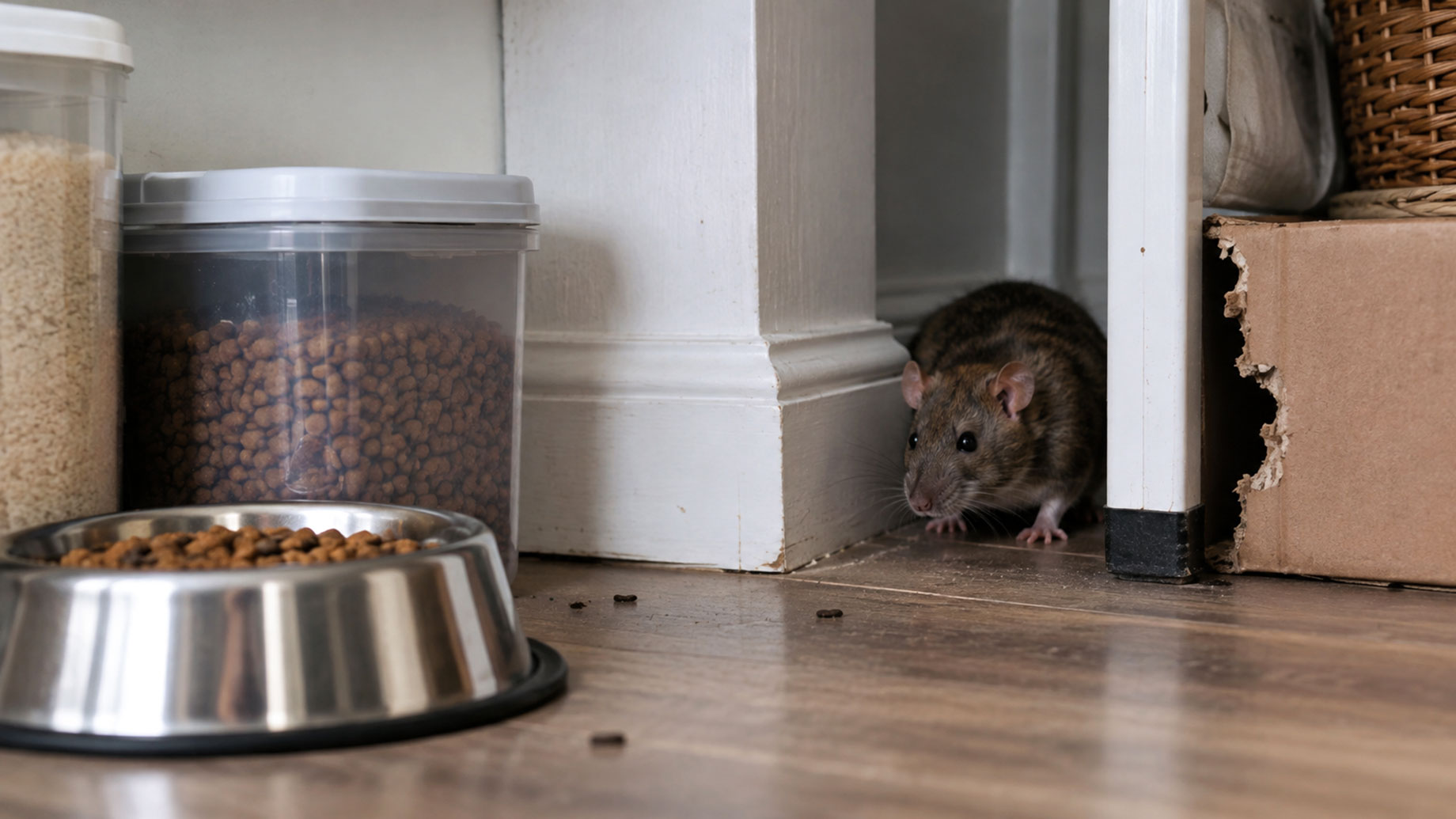
Unusual rustling noises coming from an attic or garage often signal an unwelcome intruder long before a pest is seen in broad daylight. Rodents rank among the most adaptable urban mammals, thriving in close proximity to human settlements. While many property owners view rodents simply as an inconvenience, their presence brings serious health and physical hazards to residential properties.
Understanding the specific hazards associated with rodent activity helps homeowners protect their living environments. When wild animals establish nests inside residential structures, they compromise structural integrity and introduce biological contaminants. Addressing these threats early safeguards vulnerable family members and domestic animals from preventable harm.
Biological Hazards and Contamination Risks in Living Areas
Rodents continuously deposit waste wherever they travel, creating invisible hazards across floors, counters, and stored goods. A single rat produces dozens of droppings daily along with a steady stream of urine used to mark territory. These biological deposits carry harmful pathogens, including Leptospira bacteria, hantavirus, and Salmonella.
Children and household pets face heightened exposure risks due to their daily habits. Young children spend considerable time playing directly on rug surfaces or hardwood floors where microscopic waste particles settle. Pets explore environments using their snouts, frequently sniffing corners, under furniture, or around lower baseboards. When animals or infants touch contaminated surfaces and subsequently place their hands or paws near their mouths, bacterial transfer occurs easily.
Food preparation surfaces and open pantries are particularly vulnerable to cross-contamination. Rodents readily gnaw through flimsy cardboard packaging and plastic bags to reach grains, pet kibble, or dried snacks. Once rodents touch stored foodstuffs, the entire container becomes unsafe for consumption, necessitating immediate disposal to prevent accidental ingestion of harmful bacteria.
Structural Hazards and Hidden Nesting Behaviors
Beyond biological contaminants, rodent activity introduces physical dangers to residential buildings. Rats possess strong incisor teeth that grow continuously throughout their lives. To keep these teeth trimmed to a manageable length, the animals constantly gnaw on dense materials, including wooden support beams, PVC plumbing lines, and electrical wiring.
Chewed electrical wiring represents a severe fire hazard hidden within wall cavities, attics, and crawlspaces. Stripped wire insulation exposes live electrical conductors, leading to short circuits, sparking, or structural fires that catch homeowners completely off guard.
Storage zones present ideal shelter conditions for breeding populations:
- Attics and Insulation: Rodents shred fiberglass insulation to craft warm, hidden nesting burrows, drastically lowering home energy efficiency.
- Garages and Utility Rooms: Unsealed cardboard boxes, lawn mower engine compartments, and stored clothing provide quiet, undisturbed nesting materials.
- Landscaping and Woodpiles: Overgrown vegetation, dense ground cover, and stacked firewood adjacent to foundations offer secure exterior harborages before rodents find interior entry points.
Many families eventually ask are rats dangerous for pets or children in Fresno, California, and the honest answer lies in how these risks build on one another. From gnawed electrical wiring that threatens the structure itself to the slow buildup of unsanitary waste, an untreated infestation puts everyone under the same roof pets and children included in real danger.
Specific Vulnerabilities for Homes with Young Children and Pets
Residential properties with young family members or companion animals require extra vigilance regarding pest prevention. Pet food left out overnight serves as one of the primary attractants drawing wild rodents inside. Rodents quickly learn feeding schedules, visiting bowls shortly after domestic animals step away.
Children’s toys, play mats, and outdoor play sets also require careful oversight. Toys left scattered on back lawns or patio areas often attract nocturnal rodents seeking shelter or residual food crumbs. If rodents groom or rest on outdoor play equipment, they leave behind trace bacteria that can transfer to young children during daytime play.
Pet behavior can also escalate conflicts with wild rodents. Curious dogs or cats may corner a rat in a garage or yard, leading to aggressive defensive bites or scratches. Furthermore, rodents frequently host parasites such as fleas, ticks, and mites. When wild animals nest near living quarters, these parasites readily migrate onto domestic pets, introducing additional vector-borne health risks into the home environment.
Exterior Risk Factors and Environmental Attractants
Rodent control begins at the property line by eliminating conditions that draw wild animals toward domestic structures. Exterior spaces often contain abundant food, water, and shelter options that allow populations to surge before entering buildings.
Unsecured trash receptacles represent a primary food source for foraging wildlife. Garbage cans without tight-fitting lids invite persistent scavenging. Standing water sources, including bird baths, leaking hose bibbs, pet water dishes, and clogged rain gutters, supply the daily hydration rodents need to survive.
Overgrown vegetation provides protected travel routes along house perimeters. Tree branches overhanging rooflines act as natural bridges, allowing roof rats to bypass ground-level defenses and access attic vents. Fallen fruit from backyard trees, ungathered birdseed beneath feeders, and compost piles containing food scraps create ideal feeding zones that sustain expanding rodent colonies year-round.
Practical Steps to Secure Living Spaces and Limit Access
Eliminating rodent hazards requires a structured approach focused on sanitation, structural repairs, and exclusion techniques. Addressing vulnerabilities systematically deprives pests of essential survival resources.
- Store Food in Airtight Containers: Transfer all human food, pet kibble, and birdseed into rigid glass, metal, or heavy-duty plastic containers with sealed lids.
- Implement Daily Sanitation Routines: Sweep kitchen floors daily, wipe down counters before nightfall, and remove pet food bowls immediately after feeding times.
- Seal Exterior Entry Points: Inspect foundations, rooflines, and utility penetrations, filling gaps larger than a quarter-inch with stainless steel mesh and silicone caulk.
- Manage Exterior Landscaping: Trim overhanging tree branches three feet away from roof edges, keep lawns mowed short, and elevate stacked firewood at least twelve inches off the ground.
- Secure Household Storage Areas: Replace cardboard storage boxes in attics and garages with durable plastic totes featuring snap-tight lids.
Integrating these preventative habits into regular home maintenance routines drastically reduces the likelihood of rodent intrusion. Denying pests easy access to food, water, and shelter protects the residence from long-term damage.
Key Takeaways
Wild rodent activity introduces significant health, safety, and structural concerns to residential properties. Through physical waste, food contamination, parasite transmission, and chewed electrical wiring, rats pose distinct threats to living environments. Homes with young children and domestic pets face heightened risks due to floor-level play habits, shared food sources, and potential direct encounters with defensive wildlife.
Protecting a home requires proactive sanitation, environmental management, and thorough structural sealing. By removing outdoor attractants, securing stored food supplies, and eliminating physical entry points, property owners create a safe, healthy environment for their entire family. Addressing minor signs of pest activity promptly prevents small problems from escalating into dangerous infestations.
