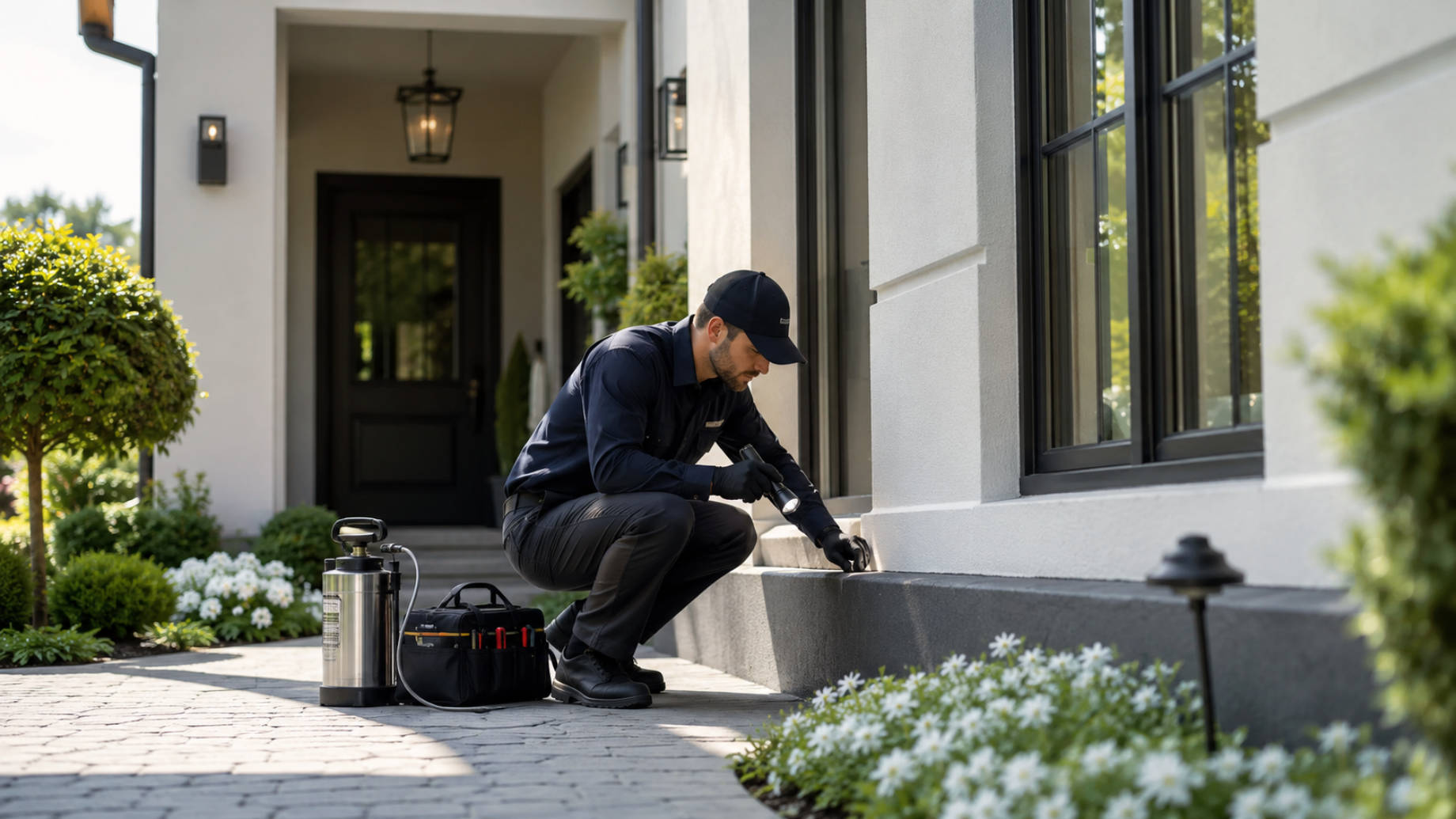
Maintaining a comfortable home involves more than keeping surfaces clean and performing routine maintenance. Many potential problems develop gradually behind walls, beneath floors, or around the exterior of a property. Pest activity is one of the most common issues that can go unnoticed until it becomes a larger concern.
Homeowners often focus on solving pest problems after they appear, but prevention is usually far more effective than reaction. Taking proactive measures helps reduce the conditions that attract pests and lowers the likelihood of infestations developing in the first place.
Pest Control plays a vital role in protecting homes, preserving property, and supporting healthier living conditions. Modern Pest Solutions helps homeowners implement preventive strategies that reduce risk, improve comfort, and provide long-term protection throughout the year.
Understanding Why Prevention Matters
Many pests enter homes in search of food, water, and shelter. Once these resources become available, they may establish themselves in hidden areas and begin reproducing. By the time visible signs appear, populations may already be growing.
Preventive strategies focus on stopping pests before they gain a foothold. Addressing vulnerabilities early helps minimize the chance of infestations and reduces the need for extensive treatments later.
A proactive approach often saves homeowners time, stress, and maintenance expenses while supporting a more stable living environment.
Identifying Common Entry Points
Even well-maintained homes can contain small openings that allow pests to enter. Cracks in foundations, gaps around windows and doors, utility penetrations, and damaged weather seals are common access points.
These openings may seem insignificant, but many pests require only a small space to gain entry. Once inside, they can quickly locate food sources and sheltered areas.
Regular inspections help identify these vulnerabilities before they become larger concerns. Sealing entry points is one of the most effective preventive measures available.
Reducing Food Sources Around the Home
Maintaining Proper Food Storage
Food availability is one of the strongest factors attracting pests. Crumbs, open containers, pet food, and improperly stored pantry items provide easy access to nourishment.
Keeping food sealed and storing it properly reduces opportunities for pests to thrive indoors. Consistent kitchen cleanliness also plays an important role in prevention.
Simple daily habits often make a significant difference in reducing attraction and supporting long-term protection.
Managing Waste Effectively
Garbage containers can become highly attractive to pests when waste is not managed properly. Food residue and organic materials create ideal conditions for unwanted activity.
Using sealed containers and disposing of waste regularly helps reduce these attractants. Clean waste storage areas further support preventive efforts.
Maintaining sanitation standards contributes directly to a less inviting environment for pests.
Controlling Moisture and Water Sources
Water is essential for pest survival. Leaking pipes, standing water, clogged drains, and excessive humidity create favorable conditions for many species.
Moisture issues often develop in areas that are not inspected regularly, such as basements, crawl spaces, and utility rooms. Addressing these concerns early helps reduce pest activity while protecting the structure itself.
Modern Pest Solutions emphasizes moisture management as a critical component of effective prevention. Reducing water availability supports healthier and more secure living conditions.
Maintaining Outdoor Areas for Better Protection
The exterior of a property often influences pest activity inside the home. Overgrown vegetation, wood piles, debris, and clutter create ideal hiding places near the structure.
Regular landscaping maintenance helps reduce these opportunities. Trimming plants away from exterior walls and removing unnecessary materials limits shelter options for pests.
A well-maintained yard creates a stronger defensive barrier and helps discourage activity before it reaches the home.
Adapting to Seasonal Pest Activity
Pest behavior changes throughout the year. Warmer seasons may increase insect populations, while colder temperatures often drive rodents and other pests indoors in search of shelter.
Understanding these seasonal patterns allows homeowners to take preventive action before activity increases. Preparing in advance helps reduce the likelihood of infestations during peak periods.
Pest control strategies that account for seasonal trends provide more consistent protection and help homeowners stay ahead of potential problems.
Protecting Structural Components From Damage
Certain pests can affect important structural elements of a home. Rodents may chew wiring and insulation, while insects can damage wood and other building materials.
These issues often develop gradually and may remain hidden until significant damage has occurred. Preventive measures help reduce the risk of costly repairs and protect essential components.
Maintaining structural integrity is one of the most valuable long-term benefits of proactive pest management.
Supporting a Healthier Indoor Environment
Pests can introduce contaminants into living spaces through droppings, nesting materials, and other debris. These substances may affect cleanliness and contribute to indoor hygiene concerns.
Maintaining a pest-free environment supports healthier indoor conditions and improves overall comfort. Prevention helps reduce exposure to unwanted contaminants before they become widespread.
Modern Pest Solutions works with homeowners to create cleaner living spaces that prioritize both comfort and well-being.
Preventing Rapid Population Growth
One of the biggest challenges associated with pests is their ability to reproduce quickly. A small issue can become a significant infestation within a relatively short period when conditions are favorable.
Pest control in Waynesboro interrupts these cycles by reducing access to food, water, and shelter. Eliminating these resources limits opportunities for population growth.
Addressing risks early helps maintain control and prevents minor concerns from becoming major disruptions.
Encouraging Consistent Home Maintenance
Many preventive pest management practices align closely with general home maintenance. Sealing gaps, cleaning regularly, repairing leaks, and monitoring exterior conditions all contribute to protection.
These habits not only discourage pests but also support the overall condition of the property. Consistency plays a key role in achieving lasting results.
Homeowners who integrate preventive measures into routine maintenance often experience fewer pest-related challenges over time.
Building a Long-Term Prevention Strategy
Effective pest management requires more than occasional action. Long-term success depends on ongoing monitoring, timely adjustments, and consistent preventive practices.
Periodic evaluations help identify changing conditions that may increase risk. Adapting strategies as needed ensures that protection remains effective throughout the year.
Modern Pest Solutions helps homeowners develop structured plans that support reliable results and long-term peace of mind.
Conclusion
Preventive Pest Control is one of the most effective ways to maintain a safe, comfortable, and healthy home environment. By addressing entry points, managing moisture, reducing attractants, and adapting to seasonal changes, homeowners can significantly reduce the likelihood of infestations.
Rather than waiting for pests to become a problem, proactive strategies focus on prevention and long-term protection. Modern Pest Solutions provides the expertise and support needed to implement these measures effectively, helping homeowners protect both their property and their quality of life.
A preventive approach creates stronger defenses, reduces future concerns, and supports a cleaner, more secure home for years to come.
