Starting college without guidance at home feels overwhelming. Many first-generation Black students enter college without anyone to explain financial aid, office hours, academic advising, internships, or even how to talk to professors. You are expected to figure everything out while also adjusting to a completely new environment.
According to the United Negro College Fund, HBCUs produce a large share of Black graduates in fields like law, medicine, engineering, and teaching despite making up a small percentage of colleges in the United States.
Here is how HBCUs continue to help first-generation Black students build confidence, graduate, and move forward successfully.
HBCUs Create a Stronger Sense of Belonging
One of the hardest parts of college is feeling like you belong there.
Many first-generation students already feel out of place when they arrive on campus. If you attend a school where very few people share your background or experiences, that feeling becomes even stronger.
HBCUs create a different environment.
Students Feel Seen
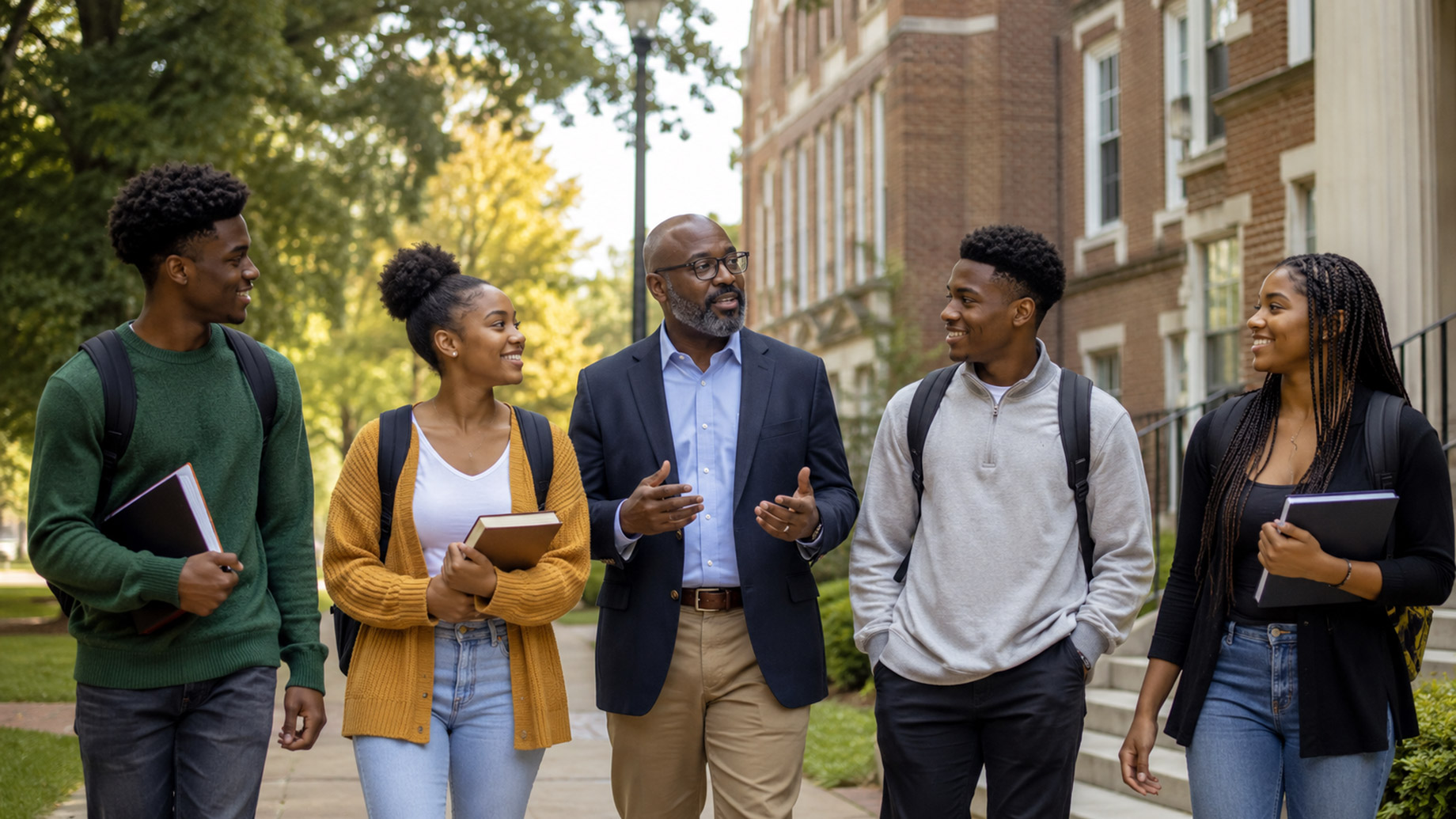
At HBCUs, you see Black students, faculty members, mentors, and administrators everywhere across campus. That visibility matters more than people realize.
You are not walking into classrooms wondering whether people expect you to fail. You are surrounded by students who understand many of the same pressures you face.
That environment helps students relax and focus on learning.
Community Makes a Difference
At many large universities, students talk about feeling invisible. Some struggle to make connections during their first year and slowly pull away from campus life.
HBCUs often feel more personal.
Students build close friendships quickly. Alumni stay involved. Professors know students by name.
Finding the right support system also becomes easier when students live in environments that encourage community and connection. Platforms like amberstudent help students explore accommodation options that support a smoother college transition, especially for those moving away from home for the first time.
Professors Often Take a More Personal Approach
For first-generation students, mentorship matters a lot.
You are not only learning class material. You are also learning how college works.
That is why strong relationships with professors can completely change your experience.
Support Goes Beyond the Classroom
At many HBCUs, professors help students with much more than assignments and exams.
They help students apply for internships. They write recommendation letters. They guide students through graduate school applications and career planning.
For students without family members who attended college, this guidance becomes incredibly important.
A 2024 report from the Thurgood Marshall College Fund highlighted how mentorship and faculty support continue to improve student retention and graduation outcomes at HBCUs.
HBCUs Help Students Understand College Systems
A lot of students underestimate how confusing college systems can be until they experience them firsthand.
Financial aid paperwork, registration deadlines, degree requirements, housing forms, tutoring services, and academic probation policies all come with their own rules.
First-generation students often learn these systems in real time.
Financial Aid Support Reduces Stress
Many HBCUs spend time helping students understand FAFSA applications, scholarships, payment plans, and emergency aid programs.
That support helps students avoid costly mistakes.
Financial Support Remains a Major Priority
Money affects every part of college life.
Many first-generation students work part-time jobs while attending school. Some also help support parents or younger siblings back home.
Balancing school and financial pressure becomes exhausting quickly.
HBCUs Continue Expanding Financial Support
Many HBCUs connect students with grants, scholarships, emergency funding, and work study opportunities.
That support helps students stay enrolled and continue their education without carrying overwhelming stress every day.
Lower Costs Matter Too
Several HBCUs also remain more affordable than many private universities.
Lower tuition and lower living costs reduce long-term debt pressure for students and families already dealing with financial strain.
That affordability gives students more room to focus on academics and career goals instead of constant financial survival.
HBCUs Help Students Build Career Confidence
Many first-generation students enter college without professional networks or industry connections.
They often do not know people working in law firms, hospitals, media companies, or corporate offices.
HBCUs help students close that gap.
Alumni Networks Open Opportunities
HBCU alumni communities stay deeply connected to their schools.
Graduates return to mentor students, recruit interns, and speak at career events. Students gain access to professionals who understand their experiences and want to help them succeed.
That representation builds confidence.
You begin seeing successful professionals who started exactly where you are now.
Career Services Focus on Preparation
Many HBCUs provide direct support with resumes, interviews, networking, internships, and leadership development.
Students also gain access to employer partnerships and graduate school preparation resources.
Research from Gallup has shown that Black graduates from HBCUs often report stronger emotional support and better preparation for life after college compared to Black graduates from non-HBCU institutions.
Conclusion
HBCUs continue to give first-generation Black students something many colleges still struggle to provide fully. Support that feels personal, consistent, and rooted in understanding.
Students receive mentorship, academic guidance, financial support, career preparation, and a strong sense of community all at the same time.
That combination changes lives.
For many first-generation Black students, HBCUs do not just help them earn a degree. They help them believe they belong in every room they enter afterward.
