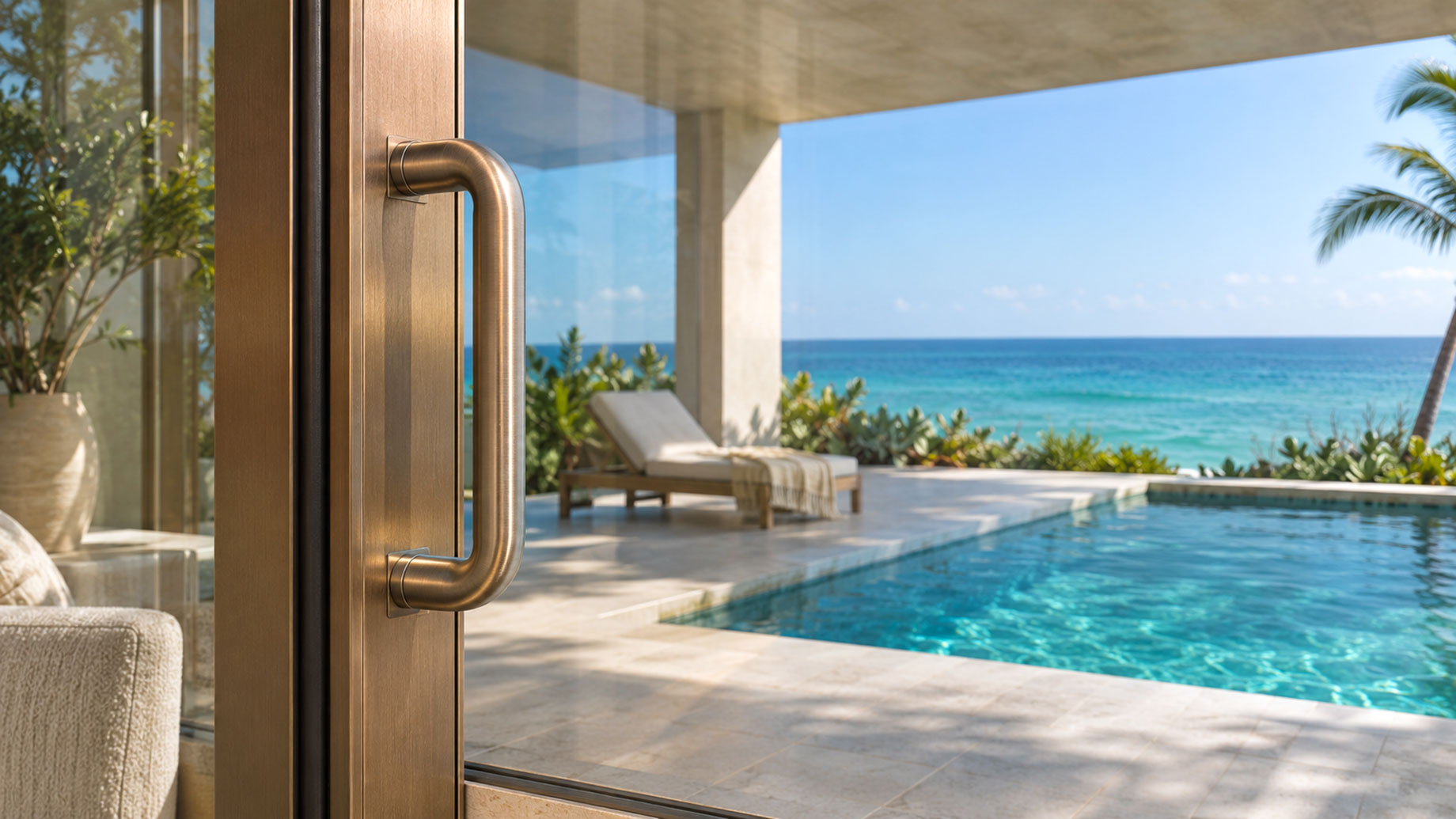
There are glass walls in the house, and therefore one can have a view of the ocean from within. The living room leads to the pool deck. It is bright in the house all through the day.
Many people would love to live next to the ocean. They are drawn by its beautiful scenery and the feelings it brings. However, the ocean has challenges that may affect people. These include hurricanes, floods, and salty air. The best waterfront houses today aim to address these challenges. They use good designs that make the houses durable.
Where Beauty Meets Resilience
Designing homes near the coast means you have to balance two things. You want your home to feel open, but you also want it to be safe. A South Florida architecture firm as you can see, it’s easy to make a house’s design work with the needs of the crew so they can make it. It will be a great breeze and wonderful views to go along with the first house sketch that they have. They have designed for high winds, big waters, and the use of storm-safe materials from the first sketch of the new home. As a result, your house will be cheerfully bright and airy for warm days, and safe from the bad weather. If you decide to go all the way and add these things later, it can cost more money and time.
Designing for Light
Natural lighting is extremely important in a luxury coastal house. Every bit of sunlight that enters needs to be optimised by the architect.
- Orientation: Place the house so the living areas are bathed by gentle morning sun or evening light.
- Deep overhangs: These prevent the intense heat of the midday sun from shining through. This keeps your place cooler.
- Clerestory Windows: These windows allow light to come in from above and help it to penetrate deep into the house. They also allow you to maintain your privacy.
- This is to reflect as much daylight through the rooms.
Daylight does more than make things look nice. The National Renewable Energy Laboratory’s review on natural light shows that daylight can help people feel better. It can also make people feel comfortable in buildings.
Framing the View
A lot of people build homes by the coast to look at the water. Architects put in big glass walls, corner windows, and open rooms outside so you can see the view from inside. Pools, patios, and places that are covered make the inside feel more like it is part of the outside.
Building for the Storm
Here is where strong coastal design is needed. Homes made for hurricanes use several things. All of these work together like a team:
| Feature | What it does |
|---|---|
| Impact-rated windows and doors | Resist flying debris and wind pressure |
| Elevated living levels | Keep main spaces above flood risk |
| Reinforced roof connections | Help prevent roofs from lifting in high winds |
| Concrete or reinforced structures | Add strength against wind loads |
| Corrosion-resistant materials | Stand up to salt air over time |
The FEMA guidance on building for high winds shows how strong load paths, good connections, and covered openings can help buildings stay up during big storms.
The Glass Question
Huge panes of glass perhaps don’t seem like a good idea with a hurricane, but there are new systems out that use strong glass. The glass is designed to hold up against the flying objects and the wind, so the building owners don’t have to put shutters up to block the glass. It’s more costly and heavier, which is why owners have to decide whether they will use it before they even start building.
Designing for Everyday Coastal Life
Being strong is not the only thing for homes by the coast. They also need:
- Materials that keep out humidity, mold, and salt.
- Cross-ventilation can help keep the inside cool by itself
- Outdoor finishes that stay good-looking for a long time, even with the sun and sea air
- Landscaping that can handle salt in the air and plenty of rain
Choosing the Right Design Partner
If you want to build a home near water, you need to pick an architect who knows the coast. It is not just about good design ideas. A firm that has made many homes by the water knows how to build strong for storms. They also work well with local engineers and builders. A South Florida architecture firm with this knowledge will help turn your idea into a home. This home will feel good on clear, sunny days and also be strong when hurricane season comes.
FAQ
Do big windows make a hurricane-proof house?
Yes. Windows and doors with an impact rating allow for large glass areas. They are strong. They are resistant to the wind and flying objects.
Why would homes be built on the hill tops near the coast?
Elevating the principal living spaces ensures their protection from flood hazard zones. This can help keep you and your family dry and off the ground when there’s water.
Which materials are best suited in the ocean environment?
Treated wood, concrete, and salt air/wet weather finishes are all among the materials that remain strong and do not disintegrate.
At what point should the resilience be planned?
Once you’ve reached the first design step, start thinking about it. It may be more difficult and more expensive to add it later.
Final Thoughts
The best coastal luxury homes help you feel good, and they last a long time. These homes let in lots of light. You get to look at the water and feel close to the outside. At the same time, the houses are built to with stand strong storms that often come with living by the coast. A good design lets you have all of these things.
