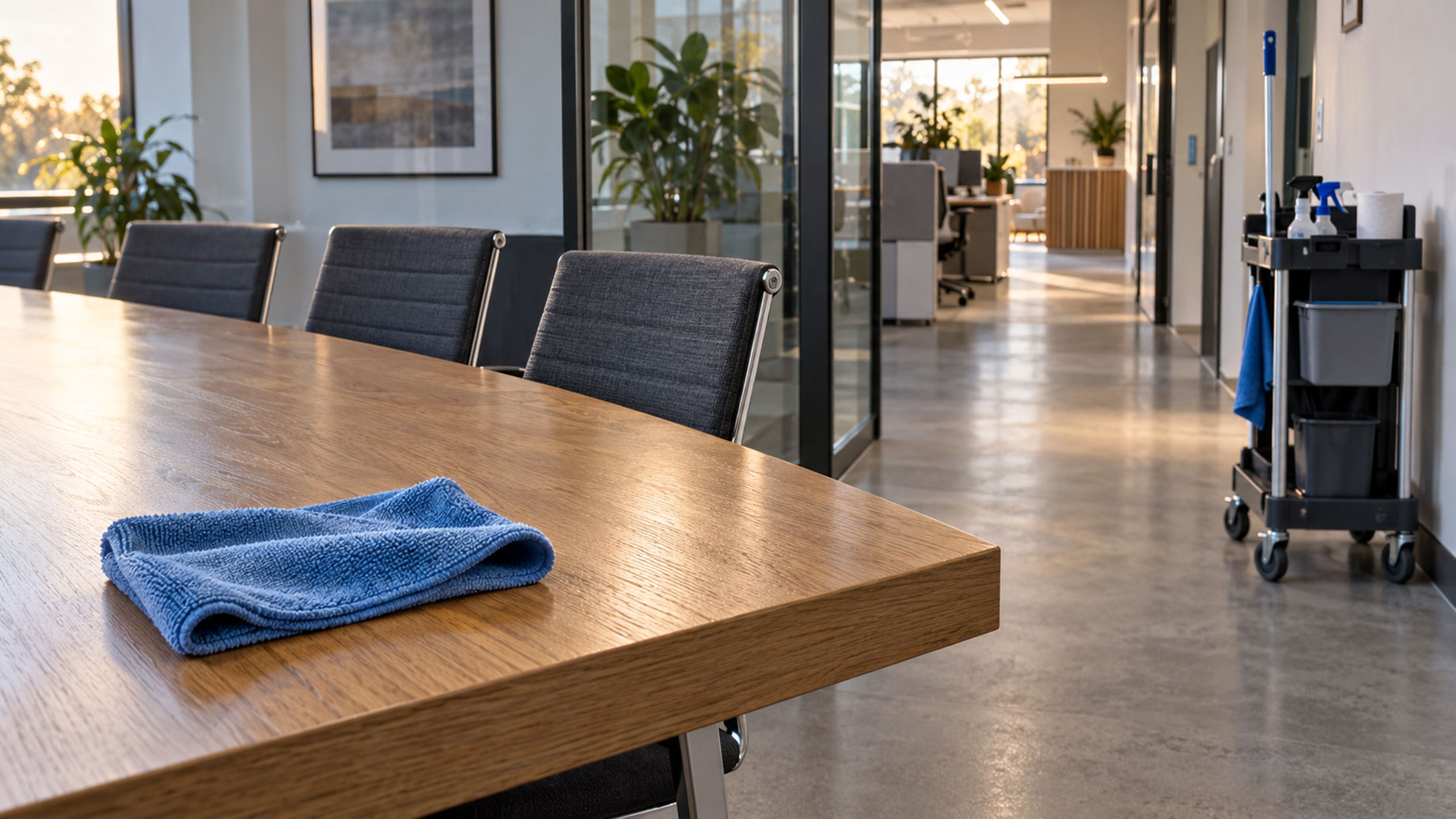
Large workplaces rarely function as one uniform environment. Sales teams may spend much of the day in meeting rooms, administrative employees may work at individual desks, and customer-facing departments can experience a steady flow of visitors. These differences create cleaning needs that change considerably from one part of a building to another.
Without clear standards, departments can receive noticeably different levels of attention. One area may remain orderly throughout the week while another regularly develops overflowing waste, dusty surfaces, or neglected shared spaces. A structured Commercial Cleaning approach helps businesses establish expectations that apply across the property while still accounting for how individual areas are used.
Consistency does not mean cleaning every room in exactly the same way. It means defining an appropriate condition for each space and creating routines that make those expectations measurable. Dallas Commercial Cleaning Co can fit within this type of facility planning when businesses need recurring maintenance organized around multiple departments and different workplace functions.
Start by Defining What Clean Means for Each Department
A useful cleaning standard should describe expected conditions rather than rely on broad instructions such as keeping an area tidy. A reception desk, employee kitchen, private office, and conference room serve different purposes, so the practical meaning of clean changes between them.
Managers can identify the surfaces, fixtures, waste points, and shared features that matter most within each department. Reception areas may require attention to visible surfaces and entrance conditions, while employee workspaces may place greater emphasis on floors, waste removal, and common touchpoints. Written expectations make these differences easier to communicate.
Standards should also distinguish routine tasks from occasional detail work. Dusting an accessible shared surface may belong in a recurring routine, while less accessible areas can be addressed periodically. Separating these categories prevents detailed tasks from being forgotten without overcrowding the everyday checklist.
Use Room Function Instead of Department Size
A large department does not automatically create the greatest maintenance demand. A smaller customer service area with constant visitors may change more quickly than a larger department where employees spend most of the day at individual workstations.
Room function provides better information than square footage alone. Kitchens deal with food and spills, conference rooms experience changing groups of users, and copy areas can accumulate paper debris around shared equipment. Recognizing these differences helps managers assign appropriate tasks without assuming that larger spaces always need more attention.
Dallas Commercial Cleaning Co. may work within facilities containing several room types, each with different maintenance priorities. For managers, the important step is documenting how those spaces actually function. This creates a practical basis for setting expectations across departments.
Create Consistency Without Building Identical Checklists
Standardization can become counterproductive when every department receives the same checklist. A room without food preparation does not need kitchen-related tasks, while a low-traffic records area should not automatically receive the same attention as a busy reception space.
A better system combines common standards with room-specific requirements. Waste removal, accessible surface care, and floor maintenance may appear across several departments, while specialized tasks are assigned only where relevant. This keeps expectations consistent without wasting effort.
Commercial Cleaning plans can use this layered structure to make responsibilities easier to understand. Core requirements establish a shared baseline, while additional tasks reflect actual room conditions. Managers can then compare results across departments without expecting physically different spaces to look or function identically.
Separate Appearance Standards From Task Lists
A checklist records whether work was completed, but completion does not always describe the final condition of a space. A floor may have been serviced and still show recurring marks near an entrance. A waste container may have been emptied but require another check after a busy meeting.
Adding simple condition standards helps close this gap. Managers can describe how an area should appear after service while still maintaining task lists for accountability. This shifts attention from merely completing actions to achieving appropriate results.
Pay Attention to Shared Spaces Between Departments
Some of the most important areas in a multi-department workplace belong to everyone and no one. Corridors, elevators, break rooms, copy stations, and shared conference rooms may serve employees from several teams throughout the day.
These spaces can become inconsistent when responsibility is unclear. One department may assume another team manages a shared room, or employees may expect routine maintenance to address every spill immediately. Clear ownership prevents these assumptions from leaving common areas neglected.
Shared spaces should therefore have defined maintenance expectations independent of individual departments. Usage patterns can determine how frequently conditions are checked. Managers can also establish a straightforward process for reporting unexpected messes between regular service periods.
Account for Departments With Different Working Hours
Not every team follows the same schedule. Some departments may start early, others may remain active into the evening, and certain areas may operate in shifts. A cleaning routine based only on the building’s official hours can conflict with actual workplace activity.
Managers should identify when each department is busiest and when spaces become available for maintenance. Tasks involving equipment movement or floor work may be easier during quiet periods, while simple waste checks can sometimes occur without interrupting employees.
Dallas Commercial Cleaning Co. can be considered when businesses are coordinating recurring work around varied departmental schedules. The broader principle is to connect maintenance timing with occupancy. Cleaning performed at an unsuitable time can create disruption even when the work itself meets established standards.
Build a Simple Method for Reporting Problems
Routine schedules cannot predict every workplace condition. A meeting may produce unexpected waste, a delivery can leave debris near an entrance, or a drink may spill in a shared area shortly after regular cleaning has finished.
Employees need to know how to report these situations. A complicated process can discourage reporting, while unclear responsibility may lead several people to assume somebody else has handled the issue. One established communication route makes responses easier to coordinate.
Reports can also reveal patterns over time. If the same department repeatedly requests additional attention, managers can investigate whether its routine schedule still matches actual use. Recurring requests are useful information rather than merely isolated complaints.
Review Standards When Workplace Use Changes
Departments change as organizations grow, reorganize, or adopt new working arrangements. A room that once held several desks may become a meeting space, while an underused office could turn into a collaborative area. Existing cleaning standards may no longer fit after those changes.
Periodic walkthroughs allow managers to compare written expectations with current conditions. They can identify spaces receiving unnecessary attention and areas where new activity creates additional maintenance needs. Adjustments should follow evidence rather than habit.
Commercial Cleaning standards become more useful when they can evolve with the workplace. A practical system establishes consistency without becoming rigid. Managers should be able to revise task frequency, timing, or room-specific requirements when everyday building use changes.
Make Consistency a Measurable Facility Goal
Consistent workplace maintenance comes from clear expectations, appropriate task assignments, and regular review. Different departments do not need identical routines, but employees and visitors should encounter spaces maintained according to standards that make sense for their function.
Managers can support that consistency by defining expected conditions, considering room use, clarifying responsibility for shared areas, and monitoring recurring problems. Scheduling should also reflect actual occupancy instead of assuming that every department follows the same working pattern.
The strongest standards provide enough structure to guide everyday maintenance while leaving room for practical adjustments. When cleaning expectations reflect how each part of a workplace operates, businesses can manage multiple departments as one coordinated facility without overlooking the distinct needs of individual spaces.
