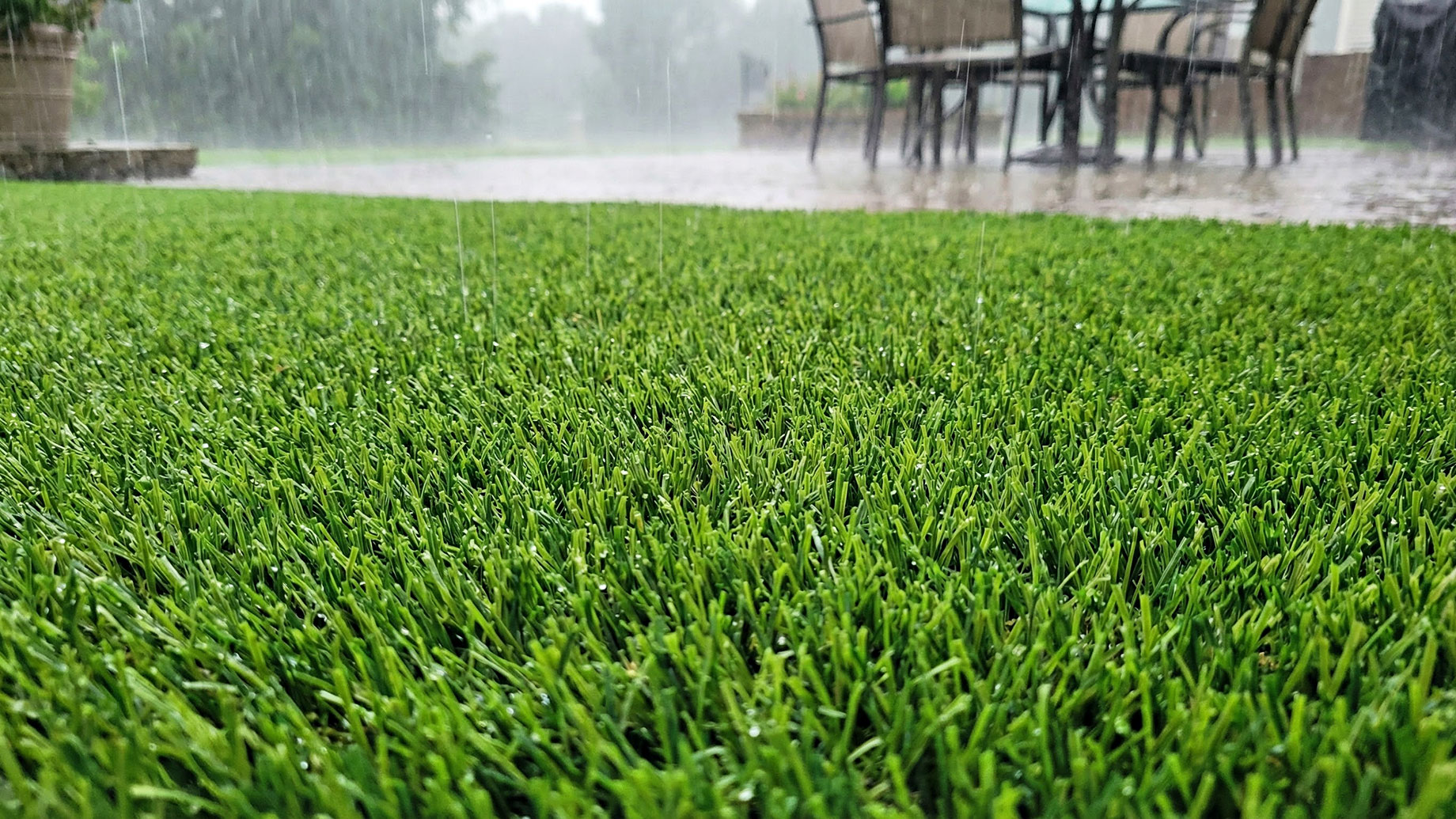
Weather extremes place significant stress on outdoor environments. Prolonged heat, heavy rainfall, drought, and sudden temperature shifts can quickly alter the condition of traditional lawns. Homeowners often find themselves reacting to weather damage rather than enjoying their outdoor spaces. Brown patches, flooding, erosion, and compacted soil become common problems when grass struggles to adapt.
As climate patterns become more unpredictable, many homeowners look for outdoor solutions that remain reliable regardless of conditions. Stable lawn surfaces that are not dependent on growth cycles or weather patterns offer a practical alternative. Many people who choose Bella Turf notice that their outdoor spaces remain usable and visually consistent even when weather conditions are harsh. This reliability transforms lawns from vulnerable features into dependable foundations for outdoor living.
Understanding how artificial grass performs during extreme weather helps explain why it is increasingly favored in regions that experience intense seasonal changes.
The Limitations of Natural Grass in Harsh Conditions
Natural grass relies on specific conditions to thrive. Adequate water, moderate temperatures, and healthy soil are all necessary for consistent growth.
When weather conditions move outside these ideal ranges, grass performance declines. Heat stress causes browning, excessive rain leads to flooding, and drought weakens root systems.
These vulnerabilities make natural lawns highly sensitive to extreme weather events.
Performance During Extreme Heat
High temperatures place significant strain on traditional lawns. Prolonged heat can scorch grass, dry soil, and lead to widespread discoloration.
Maintaining grass during extreme heat often requires increased watering and care. Even then, recovery is not guaranteed.
Artificial grass maintains its appearance during heat waves because it does not rely on moisture or growth cycles to stay intact.
Maintaining Visual Consistency in Hot Weather
Unlike natural lawns that fade or thin under heat stress, artificial grass remains visually consistent regardless of temperature fluctuations.
Resilience During Heavy Rainfall
Heavy rain presents another major challenge for natural grass. Saturated soil becomes compacted, leading to puddles, erosion, and muddy surfaces.
These conditions reduce usability and often damage the lawn structure. Recovery can take weeks or longer.
Properly installed turf systems are designed with drainage seeps that allow water to pass through efficiently, preventing pooling and surface damage.
Faster Recovery After Storms
Storms can leave natural lawns damaged and unusable due to waterlogging or debris.
Artificial grass surfaces recover quickly after storms because they do not absorb water in the same way soil does.
This allows outdoor spaces to remain accessible shortly after severe weather passes.
Performance During Drought Conditions
Drought is one of the most destructive conditions for natural lawns. Reduced water availability weakens grass and causes widespread die-off.
Homeowners often face restrictions on watering, making lawn recovery difficult or impossible.
Artificial grass remains unaffected by drought conditions, maintaining its appearance without irrigation.
Reducing Erosion and Soil Movement
Extreme weather often leads to soil erosion, especially on slopes or high-use areas. Heavy rain washes soil away, while dry conditions loosen it.
Erosion creates uneven surfaces and destabilizes landscaping.
Artificial grass systems include stable base layers that prevent soil movement, even during intense weather events.
Maintaining Functionality in Freezing Temperatures
Cold weather introduces another set of challenges. Freeze-thaw cycles damage soil structure and grass roots.
Frozen ground becomes uneven, and thawing leads to muddy conditions.
Artificial grass is not affected by freezing temperatures in the same way, allowing surfaces to remain stable throughout winter conditions.
Supporting Year-Round Outdoor Use
Weather extremes often limit how often natural lawns can be used. Excessive heat, rain, or cold restrict access.
Stable turf surfaces allow consistent use regardless of season. Outdoor spaces remain functional even when weather conditions fluctuate.
This reliability supports year-round outdoor living.
Minimizing Maintenance After Weather Events
Extreme weather often increases lawn maintenance demands. Repairing damage, reseeding, and restoring soil take time and effort.
Artificial grass minimizes these post-weather tasks. Surfaces retain their shape and coverage without intervention.
Reduced recovery work allows homeowners to focus on enjoyment rather than repairs.
Preventing Mud and Standing Water
Mud is a common result of extreme weather, especially when rain follows drought. Natural grass struggles to stabilize soil quickly.
Mud reduces safety and cleanliness, particularly in high-traffic areas.
Artificial grass prevents mud formation by separating foot traffic from soil, keeping surfaces cleaner and safer.
Enhancing Safety During Weather Extremes
Uneven, muddy, or eroded lawns increase the risk of slips and falls.
Consistent turf surfaces provide predictable footing even after weather events.
This stability improves safety for families, pets, and guests.
Supporting Landscape Design Stability
Extreme weather can disrupt landscape design by damaging lawns that anchor outdoor layouts.
Artificial grass provides a stable base that helps preserve overall design intent during weather changes.
Design elements remain visually connected rather than disrupted by lawn damage.
Reducing Stress Related to Weather Damage
Weather-related lawn damage often creates stress and frustration. Homeowners worry about recovery timelines and repair costs.
Reliable turf surfaces reduce this anxiety by performing consistently.
Confidence in lawn performance improves overall satisfaction with outdoor spaces.
Improving Drainage Performance
Drainage is critical during extreme rainfall. Poor drainage leads to pooling and long-term damage.
Modern turf systems are engineered to support efficient drainage, moving water away quickly.
This design protects surrounding hardscapes and landscaping features.
Supporting Cleaner Outdoor Conditions
Extreme weather often increases dirt and debris movement.
Artificial grass limits soil exposure, reducing the spread of debris during storms or dry winds.
Cleaner surfaces support better outdoor hygiene.
Adapting to Regional Climate Challenges
Different regions experience different extremes, from heat waves to heavy rainfall.
Artificial grass adapts well to varied climates because it does not depend on local growing conditions.
This adaptability makes it suitable for diverse environments.
Enhancing Property Reliability in Changing Climates
As climate patterns become less predictable, reliable outdoor solutions gain importance.
Artificial grass offers stability in uncertain conditions.
Homeowners benefit from consistent performance despite environmental changes.
Reducing Long-Term Repair Costs From Weather Damage
Repeated weather damage increases long-term lawn expenses.
Artificial grass reduces the need for ongoing repairs caused by extreme conditions.
This cost stability supports better long-term planning.
Aligning With Modern Resilient Design Practices
Modern outdoor design emphasizes resilience and durability.
Artificial grass aligns with this approach by resisting weather-related degradation.
Resilient landscapes perform better under stress.
The Importance of Proper Installation
Weather performance depends heavily on correct installation.
Professionals such as Bella Turf ensure proper base preparation and drainage.
Quality installation maximizes resistance to extreme conditions.
Long-Term Performance Confidence
Homeowners want assurance that their lawns will hold up over time.
Artificial grass provides confidence through consistent weather resistance.
This reliability supports long-term satisfaction.
Supporting Enjoyment Despite Weather Challenges
Outdoor enjoyment should not depend on perfect conditions.
Stable lawn surfaces allow use before and after weather events.
This flexibility enhances quality of life.
Conclusion
Extreme weather exposes the limitations of natural grass, from heat damage and drought stress to flooding and erosion. Artificial grass performs better under these conditions by maintaining stability, appearance, and usability regardless of climate challenges. Through reliable drainage, resistance to wear, and minimal recovery needs, it supports consistent outdoor living year-round. With professional installation from Bella Turf, homeowners gain outdoor spaces that remain dependable through extreme heat, heavy rain, cold temperatures, and drought, ensuring their lawns stay functional and attractive no matter what the weather brings.
