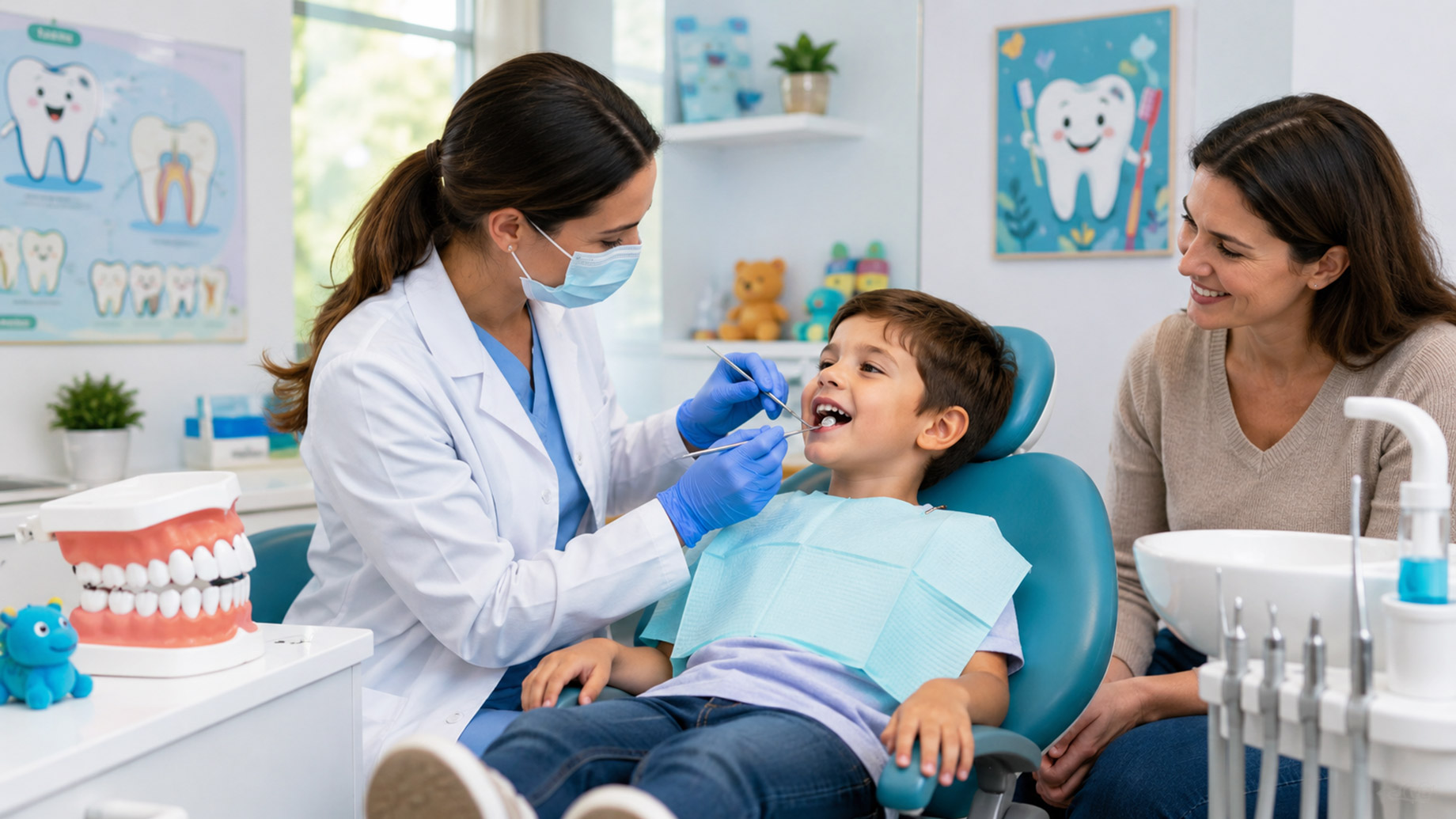
Children go through rapid stages of growth, and oral development is one of the most important aspects of that process. From the first tooth eruption to the gradual transition into permanent teeth, each phase requires attention to ensure proper alignment and function. Even small irregularities can progress quietly if they are not monitored early.
Parents often look for ways to prevent long-term dental concerns before they become serious. A Pediatric Dentist focuses on guiding this development in a structured and preventive way. With consistent evaluations, children can avoid complications that might otherwise require more complex treatment later.
Establishing early care also helps children feel comfortable with dental visits. Clinics like Kaleidoscope Kids Dentistry create supportive environments where young patients can build trust and familiarity. This early exposure often leads to better cooperation and healthier habits over time.
Understanding the Early Stages of Oral Development
Oral development begins long before all primary teeth are visible. The jaw, gums, and surrounding structures start forming early, setting the foundation for how teeth will emerge and align. These early stages influence not only appearance but also function.
A Pediatric Dentist carefully observes these developmental patterns during routine visits. They assess spacing, gum health, and eruption timing to ensure everything is progressing normally. Early identification of irregularities allows for simple and effective adjustments.
Regular monitoring also provides reassurance for parents. It offers clarity on whether development is on track and helps address concerns before they become more significant. This proactive approach supports long-term stability.
Tracking Tooth Eruption and Alignment Patterns
Primary teeth typically follow a predictable sequence, but variations can occur. Delayed eruption or unusual patterns may signal underlying concerns that require attention. Monitoring these changes ensures that issues are addressed at the right time.
Alignment plays an equally important role in early development. Teeth that emerge in crowded or uneven positions can affect how permanent teeth will eventually settle. Addressing these concerns early reduces the need for complex corrections later.
Kaleidoscope Kids Dentistry supports families by closely tracking these patterns. Through regular visits, subtle shifts in alignment can be detected and managed before they evolve into larger problems.
The Role of Jaw Growth in Oral Health
Jaw development is closely linked to how teeth function and align. A well-balanced jaw supports efficient chewing, clear speech, and overall facial harmony. Even slight imbalances can influence bite patterns and comfort.
A Pediatric Dentist evaluates jaw positioning as part of routine care. By identifying irregular growth early, they can recommend simple strategies to guide proper development. These may include monitoring habits or suggesting preventive techniques.
When jaw growth is properly supported, children are less likely to experience discomfort or functional issues. Early guidance creates a smoother developmental path and reduces the likelihood of future complications.
Addressing Habits That Affect Dental Development
Certain childhood habits can influence oral development if they persist beyond early years. Thumb sucking, extended pacifier use, and tongue positioning are common examples. While these behaviors are natural, they can affect alignment over time.
A Pediatric Dentist helps families understand when these habits become a concern. Instead of abrupt changes, they often recommend gradual adjustments that are easier for children to follow. This approach reduces stress while encouraging positive change.
Kaleidoscope Kids Dentistry works closely with parents to create realistic strategies. By addressing these habits early, children can avoid structural issues that might otherwise require corrective treatment later.
Preventive Care as a Long-Term Approach
Preventive care focuses on maintaining balance rather than correcting advanced problems. Regular checkups allow for continuous evaluation of a child’s oral health and development. This approach minimizes the risk of discomfort and complex procedures.
A Pediatric Dentist emphasizes prevention through education and routine monitoring. Identifying risks early makes treatment simpler and more effective. Preventive care often leads to better outcomes with less intervention.
Consistency is key to this strategy. Children who attend regular visits are more likely to maintain stable oral health. This ongoing care builds a strong foundation for the future.
Teaching Effective Oral Hygiene Skills
Children develop hygiene habits gradually, and guidance plays a critical role in that process. Younger children often need assistance, while older ones begin to take more responsibility for their routines. Adapting instruction to each stage ensures better results.
A Pediatric Dentist provides clear and practical demonstrations during visits. Simple explanations help children understand proper brushing and flossing techniques. This hands-on approach makes daily routines easier to follow.
Kaleidoscope Kids Dentistry reinforces these lessons through repetition and encouragement. Over time, children gain confidence in their ability to care for their teeth independently.
Creating Positive Dental Experiences for Children
A child’s early dental experiences can shape their attitude toward care for years to come. Positive visits help reduce fear and create a sense of comfort. This emotional aspect is just as important as physical care.
A Pediatric Dentist uses child-friendly communication to explain procedures in a simple way. When children understand what is happening, they are more likely to feel relaxed and cooperative. Familiarity reduces anxiety over time.
Supportive environments make a noticeable difference. When children feel safe, they are more willing to participate and maintain regular visits. This consistency leads to better long-term outcomes.
Managing the Transition to Permanent Teeth
The shift from primary to permanent teeth is a critical stage in development. During this period, both sets of teeth may be present at the same time. Careful monitoring ensures that permanent teeth emerge correctly.
A Pediatric Dentist tracks spacing, bite patterns, and eruption timing throughout this transition. Early detection of crowding or misalignment allows for timely intervention. Addressing these issues early often leads to simpler solutions.
This stage also reinforces the importance of good habits. As children grow older, they become more involved in maintaining their oral health, which supports long-term stability.
Encouraging Responsibility and Long-Term Habits
As children mature, they gradually take ownership of their oral care routines. Encouraging independence helps build confidence and accountability. This transition should be supported with clear guidance.
A Pediatric Dentist explains how daily habits influence long-term results. Children begin to understand the connection between their actions and their oral health. This awareness encourages consistency.
With time, these habits become part of everyday life. Strong routines developed early often continue into adulthood, supporting lifelong dental health.
Preventing Future Oral Health Complications
Early guidance plays a significant role in reducing the risk of long-term dental issues. Problems such as decay, alignment concerns, and gum conditions can often be prevented with consistent care. Addressing small concerns early makes a lasting difference.
A Pediatric Dentist focuses on identifying risks before they become advanced problems. Preventive strategies reduce the need for invasive treatments and create more predictable outcomes. This approach benefits both children and parents.
Kaleidoscope Kids Dentistry emphasizes early intervention as a key part of care. With regular visits and strong daily habits, children can maintain healthier smiles and avoid unnecessary complications.
Conclusion
Early oral development sets the stage for lifelong dental health. Through careful monitoring, preventive strategies, and consistent support, a Pediatric Dentist helps guide children through each stage of growth. Addressing concerns early reduces the likelihood of complex treatment later.
With a focus on comfort and education, Kaleidoscope Kids Dentistry supports families in building strong oral health habits. These early experiences encourage confidence, consistency, and long-term well-being, helping children maintain healthy smiles as they grow.
