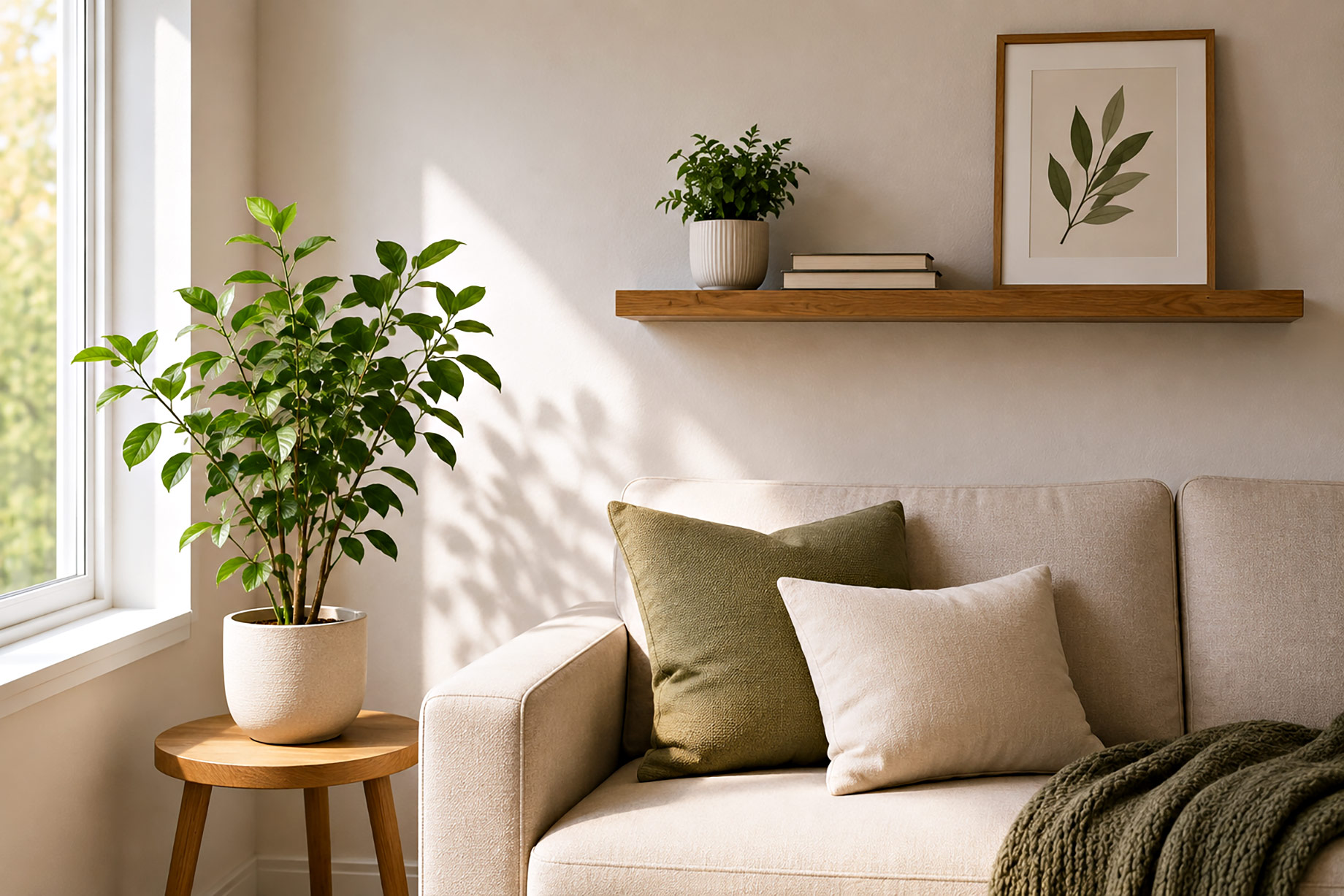
A home is more than just a place to live. It is where families relax, spend time together, create memories, and enjoy everyday life. A beautiful and comfortable home does not always require expensive renovations. With thoughtful planning, practical improvements, and a focus on functionality, you can transform your living space into a welcoming environment.
This guide explores home improvement ideas to create a beautiful and comfortable home, covering simple upgrades, organization, lighting, furniture, outdoor spaces, energy efficiency, and maintenance.
1. Start With a Clear Home Improvement Plan
Before making changes, identify the areas that need improvement. Walk through each room and note problems such as poor lighting, limited storage, damaged surfaces, outdated furniture, or uncomfortable layouts.
Create a realistic budget and divide improvements into priorities. Handle essential repairs first, then focus on appearance and decorative upgrades. A clear plan helps prevent unnecessary spending and keeps your project organized.
2. Refresh Your Walls
Walls have a major influence on the appearance of a home. A fresh coat of paint can make an old room feel completely different. Choose light and neutral shades if you want rooms to appear larger and brighter.
You can also create an accent wall using a different color or attractive wallpaper. However, avoid using too many patterns because excessive decoration can make a room feel crowded.
For a simple transformation, combine neutral walls with artwork, photographs, mirrors, or decorative shelves.
3. Improve Your Home’s Lighting
Good lighting creates both comfort and visual appeal. Use a combination of natural, general, and task lighting.
Keep windows clean and avoid blocking them with heavy curtains when possible. During the evening, use ceiling lights for general illumination and add table lamps or floor lamps for specific activities.
Warm lighting can create a relaxing atmosphere in bedrooms and living rooms, while brighter lighting works well in kitchens, workspaces, and study areas.
4. Upgrade Furniture and Room Layouts
Furniture should look attractive while also providing comfort. Before purchasing new pieces, consider whether your existing furniture can be rearranged.
Keep enough walking space between furniture pieces. Avoid placing too many large items in a small room. A comfortable sofa, practical coffee table, supportive chairs, and well-positioned storage can make a living room more functional.
Choose furniture according to the room’s size. Proportion matters because oversized furniture can make a small room feel uncomfortable.
5. Create Better Storage Solutions
Clutter can quickly make a beautiful home feel stressful. Smart storage helps keep rooms organized and easier to maintain.
Use baskets, cabinets, shelves, storage benches, and organizers to keep everyday items in their proper places. Vertical shelves can be especially useful in smaller homes because they use wall space without taking up much floor area.
In bedrooms, use under-bed storage for seasonal clothing, bedding, or other items. In kitchens, drawer organizers and wall-mounted racks can help maximize available space.
6. Make the Kitchen More Functional
The kitchen is one of the most frequently used areas of a home. You do not always need a complete kitchen renovation to improve it.
Start by organizing cabinets and removing items you rarely use. Replace worn cabinet handles, improve lighting, or add open shelving for frequently used items.
Keep cooking, cleaning, and food-preparation areas organized. A clean countertop and well-arranged storage can make cooking easier and make the entire kitchen look more attractive.
7. Make Bedrooms More Comfortable
Your bedroom should provide a calm and relaxing environment. Choose comfortable bedding, suitable pillows, and soft lighting.
Keep unnecessary electronics and clutter away from the sleeping area. Use curtains or blinds that provide enough privacy and help control natural light.
Soft colors, organized furniture, and clean surfaces can create a peaceful atmosphere without requiring major expenses.
8. Improve the Bathroom
Small bathroom improvements can make a noticeable difference. Replace damaged fixtures, repair leaks, clean grout, and improve ventilation.
You can also install better mirrors, shelves, towel racks, or modern lighting. Keep toiletries organized so that countertops remain clear.
Regular cleaning and maintenance are equally important because moisture can contribute to mold, stains, and damage.
9. Add Indoor Plants
Plants can bring natural beauty into your home. Select plants according to the amount of sunlight and care available in each room.
Place small plants on shelves or tables and larger plants in empty corners. If you do not have enough natural light or time for plant care, choose low-maintenance varieties.
Plants can also add texture and warmth to otherwise simple interiors.
10. Improve Outdoor Areas
If your home has a balcony, patio, garden, or small outdoor area, make it an extension of your living space.
Add comfortable seating, suitable lighting, potted plants, or a small table. Keep the area clean and maintain plants regularly.
Even a small balcony can become a pleasant place for morning coffee, reading, or relaxing in the evening.
11. Focus on Energy Efficiency
Comfort and efficiency can work together. Replace old bulbs with energy-efficient LED lighting and switch off appliances when they are not needed.
Check doors and windows for drafts and improve sealing where necessary. Proper insulation can also help maintain indoor temperatures and reduce energy use.
Energy-efficient appliances may cost more initially, but they can provide long-term savings when used regularly.
12. Keep Up With Home Maintenance
Regular maintenance protects your investment and prevents small problems from becoming expensive repairs. Check plumbing, electrical systems, roofs, windows, doors, and appliances regularly.
Clean air filters when necessary and inspect areas where moisture may accumulate. Address leaks, cracks, or unusual noises promptly.
A well-maintained home remains safer, more comfortable, and easier to improve over time.
13. Personalize Your Décor
A home should reflect the personality and lifestyle of the people who live there. Add family photographs, artwork, books, decorative objects, or meaningful items.
However, personalization does not mean filling every available space. Choose a few items that have meaning and display them thoughtfully.
A balanced combination of functionality and personal style can make your home feel unique and welcoming.
14. Choose Improvements That Add Long-Term Value
When planning home improvement ideas to create a beautiful and comfortable home, consider both immediate comfort and long-term usefulness.
Prioritize improvements that solve real problems. Better storage, improved lighting, quality flooring, efficient appliances, reliable plumbing, and good insulation can provide lasting benefits. For those starting from scratch, working with a custom home builder ensures all of these elements are designed and integrated from the foundation up, rather than retrofitted after the fact.
Avoid spending heavily on trends that may quickly become outdated. Instead, choose timeless designs and durable materials whenever possible.
Conclusion
Creating a beautiful and comfortable home does not require an unlimited budget. Small, carefully planned improvements can produce significant results. Start with essential repairs, improve organization, upgrade lighting, refresh walls, choose comfortable furniture, and add personal touches.
Most importantly, focus on how your home works for your everyday lifestyle. The best home improvement ideas to create a beautiful and comfortable home are those that combine beauty, comfort, safety, functionality, and long-term value.
With regular maintenance and thoughtful upgrades, you can create a home that feels welcoming, organized, practical, and enjoyable for years to come.
