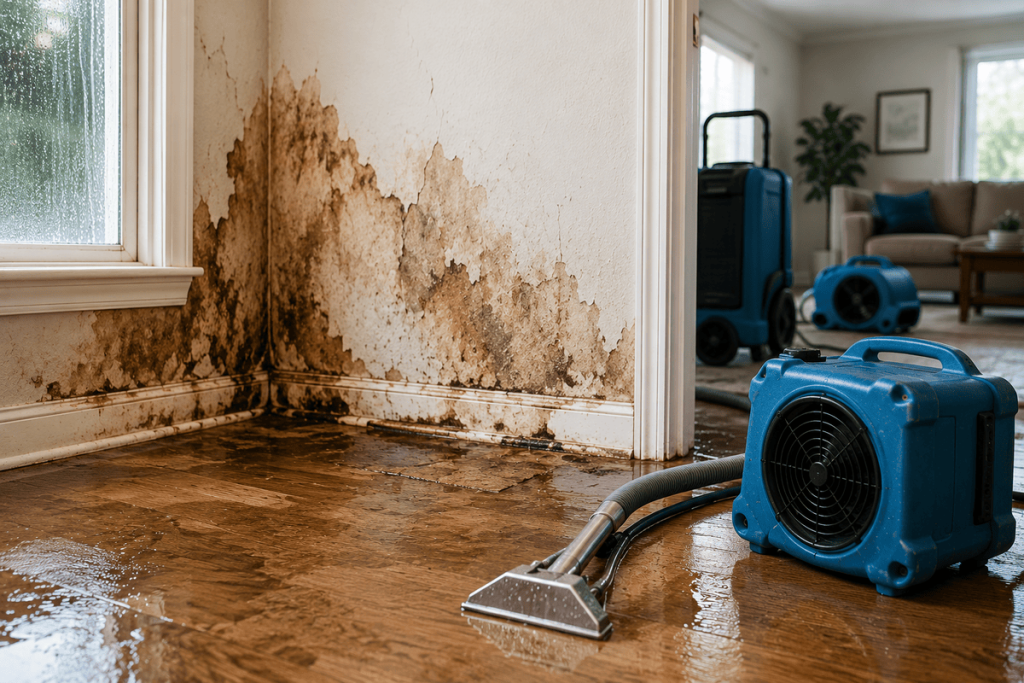
Water damage rarely announces itself with a flooded floor or dripping ceiling. In many homes, moisture builds quietly behind walls, under flooring, or inside crawl spaces long before visible damage appears. By the time homeowners notice the issue, repairs often become larger and more expensive.
Fast water removal and extraction can limit structural damage, reduce mould risks, and help restore a property before moisture spreads further. That is why understanding the early warning signs matters.
Property owners dealing with leaks, flooding, or burst pipes often rely on professionals such as HRS Restoration Services to handle water removal and extraction before hidden moisture causes larger problems.
Why Water Damage Gets Worse Quickly
Water moves fast through porous materials. Drywall, timber, insulation, and carpet padding absorb moisture quickly. Once trapped, that moisture can weaken structural materials and create conditions for mould growth.
The Environmental Protection Agency advises drying water-damaged materials within 24 to 48 hours to reduce mould risks.
Even a small leak can create long-term damage if moisture stays hidden.
Early Signs of Hidden Water Damage
Many homeowners miss the first signs because the damage develops gradually.
Here is what to watch for.
Musty or Damp Smells
Persistent odours often point to trapped moisture behind walls, beneath flooring, or inside cabinetry.
Bubbling Paint or Wallpaper
Water weakens adhesives and drywall surfaces, causing paint or wallpaper to lift.
Warped Floors
Timber and laminate flooring may swell, bend, or separate after absorbing moisture.
Ceiling Stains
Brown or yellow ceiling marks often signal roof leaks or plumbing issues above.
Soft Drywall
Walls that feel soft or spongy may contain hidden moisture damage.
Rising Humidity Indoors
Rooms that suddenly feel damp or humid may indicate concealed water intrusion.
Common Causes of Residential Water Damage
Several household issues can lead to hidden moisture problems.
Burst or Leaking Pipes
Small plumbing leaks often remain unnoticed for weeks.
Faulty Appliances
Washing machines, dishwashers, refrigerators, and water heaters can leak slowly over time.
Roof Leaks
Damaged roofing materials allow water into ceilings and insulation.
Overflowing Gutters
Blocked gutters can push water toward walls and foundations.
Storm Flooding
Heavy rain can overwhelm drainage systems and seep into lower levels of the home.
Why Fast Water Extraction Matters
Many people focus on removing visible water. The larger issue is often the moisture left behind.
Professional water extraction equipment removes water from:
- Carpet and underlay
- Hardwood flooring
- Concrete surfaces
- Wall cavities
- Subfloors
- Insulation
Without proper drying, hidden moisture may continue damaging materials long after surfaces appear dry.
The CDC recommends thorough drying and cleaning after water exposure to help prevent mold growth and indoor air quality problems.
DIY Cleanup vs Professional Water Removal
Basic cleanup works for small spills. Larger water losses usually need specialised equipment.
| DIY Methods | Professional Extraction |
| Surface drying only | Deep moisture detection |
| Household fans | Commercial drying systems |
| Limited airflow | Structural drying methods |
| No moisture tracking | Ongoing moisture monitoring |
| Risk of hidden mould | Faster drying results |
Water trapped beneath flooring or inside walls often stays unnoticed without professional equipment.
Steps to Take After Water Damage
Quick action can reduce repair costs and prevent secondary damage.
1. Stop the Water Source
Turn off plumbing or appliances if possible.
2. Protect Electrical Safety
Avoid standing water near outlets or electrical systems.
3. Remove Valuable Items
Move furniture, rugs, and electronics away from affected areas.
4. Document the Damage
Take photos for insurance records before cleanup begins.
5. Start Ventilation
Open windows and improve airflow if weather conditions allow.
6. Arrange Professional Extraction
Fast extraction helps reduce structural and mould-related issues.
The Link Between Water Damage and Mould
Mould growth can begin within days when moisture remains trapped indoors.
High-risk materials include:
- Carpet padding
- Ceiling tiles
- Drywall
- Upholstered furniture
- Insulation
The EPA warns that mould may continue spreading if water-damaged materials are not properly dried or removed.
Professional drying helps reduce that risk significantly.
Choosing the Right Water Restoration Team
Not all restoration companies use the same drying methods or equipment.
Before hiring a contractor, ask about:
- Emergency response availability
- Moisture detection tools
- Commercial drying equipment
- Insurance claim support
- Mould prevention methods
- Industry certifications
Experienced restoration teams understand how to locate hidden moisture before it creates larger structural issues.
Homeowners needing urgent water removal and extraction often contact HRS Restoration Services for support with leaks, floods, and emergency drying situations.
Final Thoughts
Water damage often starts quietly. Small leaks and hidden moisture can turn into expensive repairs if left untreated.
Recognising the warning signs early and arranging fast water extraction can help protect your home, indoor air quality, and structural materials before the damage spreads further.