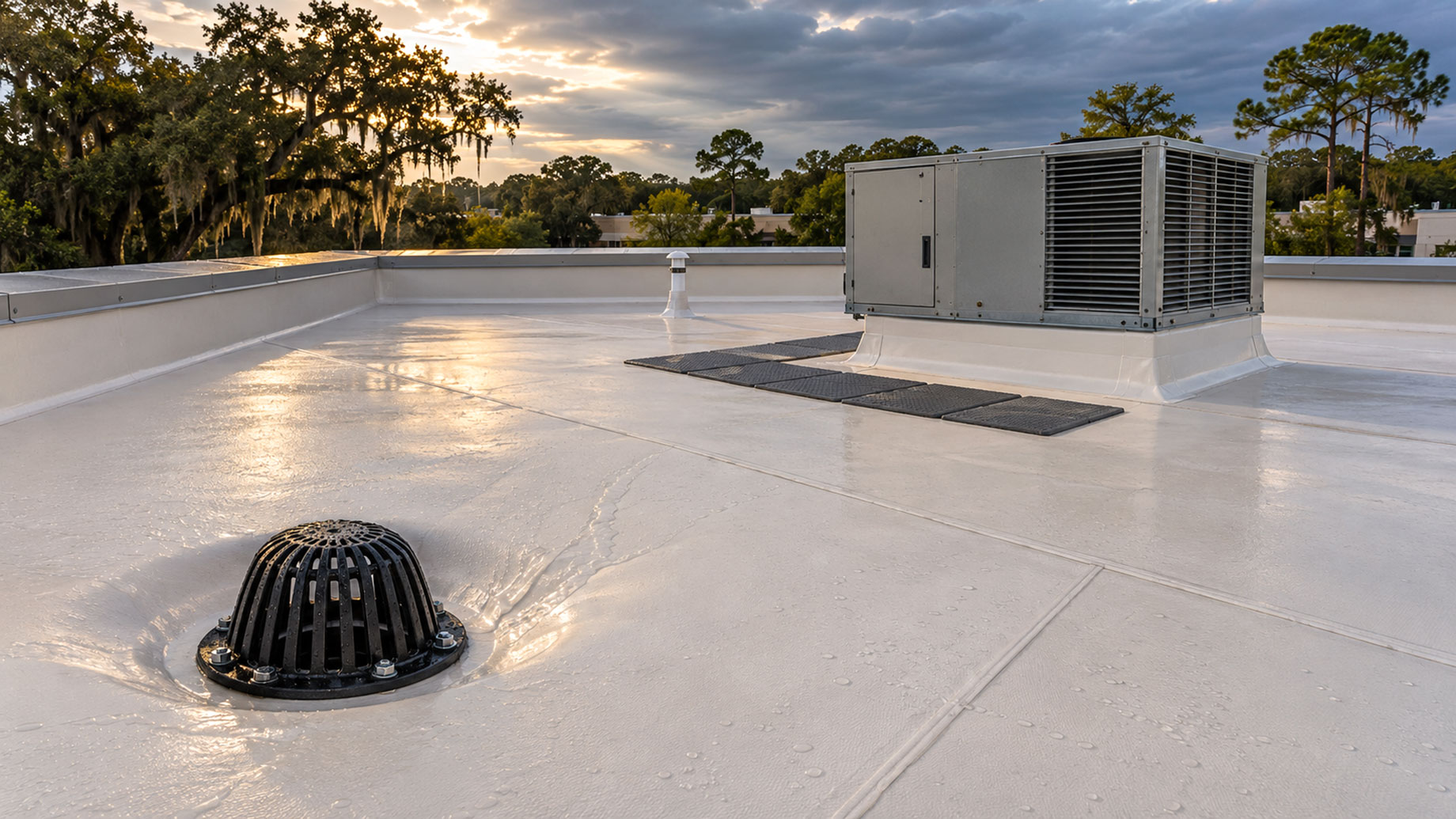
A roofing project often begins with something small: a stain on the ceiling, a loose piece of flashing, or a repair that keeps returning to the to-do list. Then come the bigger questions. How much work is actually needed? What will happen to daily operations? When comparing Gainesville commercial roofing contractors, a property owner should look for someone who can explain the process as clearly as the finished result. A well-managed project depends on careful inspection, sensible planning, and steady communication from the first visit until the last piece of debris leaves the property.
Start With the Roof You Actually Have
Before discussing new materials or booking a crew, a contractor needs to understand the roof’s current condition. That means looking beyond the most obvious leak or damaged section. Drainage, flashing, seams, penetrations, insulation, and the underlying deck can all influence the scope of work.
A reliable inspection should also consider the roof’s age, repair history, and recurring trouble spots. On a commercial building, ponding water near drains or damage around rooftop equipment may deserve particular attention.
For a building with several previous patches, mapping the location of each repair can reveal recurring patterns that warrant closer examination.
Ask for photographs and an explanation of the findings. Clear evidence makes it easier to distinguish a targeted repair from a larger replacement and helps avoid unpleasant surprises once work begins.
Give the Estimate More Than a Quick Glance
An estimate should tell a property owner what the contractor intends to do, what materials will be used, and what the price includes. A single total at the bottom leaves too many questions unanswered.
Look for details about removal of existing roofing, deck repairs, insulation, flashing, disposal, permits, and any necessary equipment access. For repairs, the document should describe which areas will receive attention and how the completed work will be checked.
It’s also worth asking what happens if hidden damage appears after the old material comes off. A written process for documenting additional work and approving changes can keep an unexpected discovery from turning into a billing argument.
Match Roofing Materials to the Building’s Needs
Roofing materials differ in weight, installation requirements, maintenance needs, expected service life, and compatibility with the existing structure. An option that works on one property may be unsuitable for another.
A contractor should explain how roof slope, drainage, climate exposure, and building use influence the recommendation. Commercial properties may also need to account for rooftop equipment, frequent maintenance access, or the demands of keeping occupied spaces dry during construction.
For instance, a reflective roof surface might reduce solar heat absorption, while its suitability still depends on the assembly and site conditions.
Product warranties deserve a closer reading, too. Coverage can depend on approved installation methods and maintenance obligations. Understanding those conditions before work begins helps make the material decision more practical.
Put the Schedule in Writing
A realistic schedule protects more than the contractor’s calendar. Deliveries, parking access, noise, restricted entrances, and temporary interruptions can affect everyone using the building.
Discuss when materials will arrive, which areas the crew will occupy, and whether particularly disruptive tasks can be coordinated around business hours. Weather delays may be unavoidable, especially when a roof is exposed during removal.
If the building houses tenants or customers, decide early how to share notices about noisy work or temporary access restrictions.
Ask who will provide updates when the schedule changes. A short message explaining the reason for a delay and the next planned step can prevent a surprising amount of confusion.
Keep Safety and Property Protection Visible
Roofing involves heights, heavy materials, tools, and the movement of people around a working site. An experienced contractor should plan access, fall protection, material storage, and debris handling according to the conditions of the property and applicable rules.
Protection at ground level matters as well. Landscaping, signs, vehicles, outdoor equipment, and pedestrian routes may need barriers or temporary adjustments. For a commercial property, clearly marked walkways and coordinated delivery zones help maintain safe access.
Before the crew arrives, confirm who will handle permits, which areas should remain clear, and how occupants will be notified. Make these decisions before a delivery truck arrives.
Pay Attention While the Work Is Happening
A roofing project changes as old materials are removed and hidden conditions become visible. Deck deterioration, trapped moisture, or damaged flashing can require adjustments to the original plan.
The contractor should explain any discovery, show supporting photographs when possible, and obtain approval before proceeding with significant additional work. Regular updates also help the property owner understand which stages are complete and what remains.
A property owner can leave individual fastening decisions to the qualified crew while asking whether work follows the agreed scope, materials match the specifications, and unexpected changes have been documented.
Treat the Final Inspection as a Project Milestone
A roof can look finished from the parking lot while important details still deserve attention. Flashing transitions, seams, drainage areas, roof penetrations, and edge conditions all need appropriate final checks.
Ask how the contractor verifies workmanship and whether manufacturer or independent inspections apply to the project. The handover should include records of completed work, approved changes, relevant warranty information, and recommendations for future maintenance.
It also helps to confirm whether drains are clear and rooftop equipment has been left accessible for future servicing.
Cleanup belongs on that checklist. Loose fasteners, packaging, torn material, and debris around entrances or landscaping can create hazards after the crew leaves. A final walkthrough provides a practical opportunity to address outstanding items before closing the job.
A Better Roof Begins With an Organized Process
Good roofing work depends on skilled hands, and the planning surrounding those hands deserves equal attention. Clear estimates, realistic schedules, prompt answers, and documented decisions help a property owner stay informed without managing every minute of construction.
Once the project is complete, keep inspection notes, warranty documents, and contractor contact information together. Schedule future checks based on the roof system’s requirements and any conditions identified during installation or repair.
The goal is straightforward: a roof that suits the building, protects the people and operations beneath it, and comes with a clear record of how the work was done. That kind of result starts long before the first material is lifted onto the roof.
