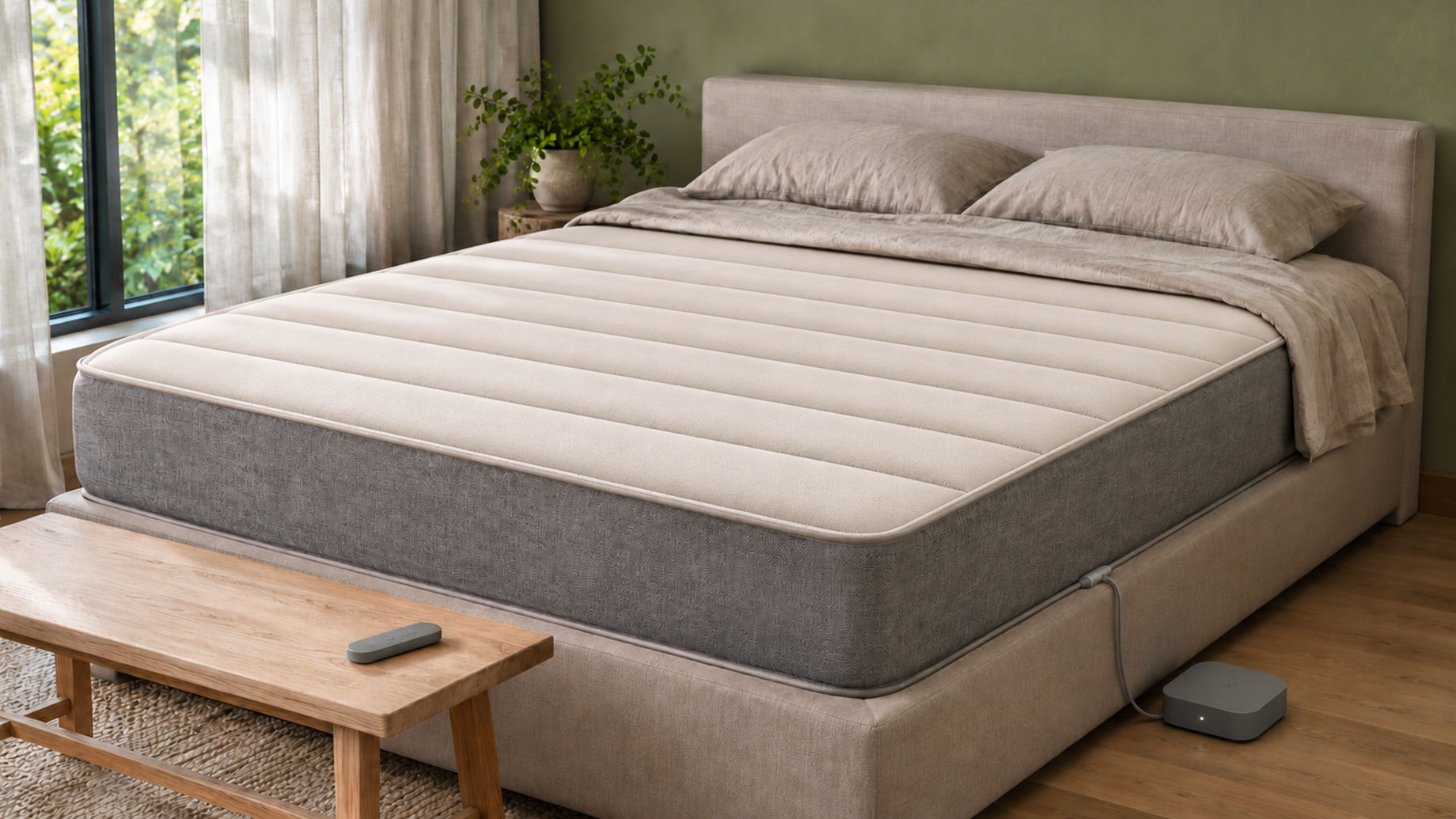
Smart mattresses are designed to help people understand their sleep, but the information they collect could eventually have uses beyond the bedroom. Some models track movement, breathing patterns, and other nighttime activity. Researchers are also exploring whether advanced mattress sensors can identify sleep disorders with accuracy comparable to traditional medical testing.
A clinical study registered on ClinicalTrials.gov aims to evaluate a smart mattress’s ability to detect sleep apnea and other sleep-related events. Although the study has not yet established clinical accuracy, it highlights how sophisticated sleep-monitoring technology is becoming.
As these devices develop, their records could become relevant in personal injury cases involving chronic pain, sleep disruption, or recovery after an accident.
How Smart Mattresses Record Sleep Patterns
Depending on the model, a smart mattress or connected sleep system may collect information about movement, breathing, heart rate, and sleep duration. Some devices also monitor changes in sleeping position or estimate different stages of sleep.
This information is primarily intended to help users understand their sleeping habits. However, a history of nightly measurements could potentially provide context about someone’s sleep patterns before and after an injury.
For example, records showing a change in sleep duration following a car accident might be relevant when evaluating complaints of disrupted sleep. Still, consumer sleep trackers have limitations, and their measurements shouldn’t be treated as equivalent to a medical diagnosis.
How Sleep Data Could Support an Injury Claim
Sleep problems are common during recovery from physical injuries, particularly when pain makes it difficult to get comfortable or remain asleep. A peer-reviewed study of orthopedic trauma patients found that poorer sleep quality was associated with greater pain and worse mood during recovery.
Although the study relied on patient-reported assessments rather than smart mattress data, it demonstrates why sleep quality can be relevant to injury-related health concerns.
Depending on the device’s capabilities, potentially useful information might include:
- Sleep duration. Changes in estimated nightly sleep time following an injury.
- Nighttime movement. Differences in how frequently someone changes position or moves during sleep.
- Sleep interruptions. Patterns suggesting more fragmented sleep, although consumer devices may not reliably identify every awakening.
- Heart rate trends. Changes in nighttime heart rate that may provide additional context but cannot independently establish pain or injury severity.
These measurements may help support a broader medical history, but they don’t prove that an accident caused a particular sleep disturbance. Pain, stress, medication, illness, and other factors can also influence sleep.
When Smart Mattress Data Becomes Relevant to a Lawsuit
Digital health information can sometimes become part of a personal injury case when it relates to the injuries or damages being claimed. Attorneys may seek records that help establish how someone’s daily activities or physical condition changed following an accident.
An experienced injury lawyer can help determine whether smart mattress records are relevant and how to preserve them appropriately.
However, access to this information isn’t automatic. Discovery requests must comply with applicable procedural rules, and courts may limit requests that are overly broad, burdensome, or unrelated to the dispute.
The location of the data also matters. Information stored on a personal device may raise different access and privacy questions than records maintained by a manufacturer or cloud service.
Why Accuracy Matters When Using Sleep Data as Evidence
Even when sleep-tracking information is available, interpreting it can be complicated. Smart mattresses estimate certain sleep measurements using sensors and algorithms. Their results may differ from clinical sleep studies, particularly when identifying sleep stages or specific medical conditions.
Before relying on these records, attorneys may need to examine:
- Device capabilities. What the mattress actually measures and which results are algorithm-generated estimates.
- Measurement accuracy. Whether the technology has been independently evaluated against established medical testing methods.
- Data integrity. Whether the records can be reliably connected to the person and time period involved.
- Alternative explanations. Whether medication, illness, lifestyle changes, or other conditions could explain changes in sleep.
Courts may also require appropriate authentication before admitting electronic records. Expert testimony could be necessary when the meaning or reliability of the measurements is disputed.
What Happens to Sleep Data After a Settlement?
A smart mattress may continue collecting information long after an injury claim has been resolved.
However, that doesn’t mean insurers or opposing parties automatically gain access to future sleep records.
Whether later information becomes relevant depends on the nature of the case, the terms of any settlement, and whether additional legal proceedings occur. For most people, the more immediate concern is understanding how their sleep data is stored, who can access it, and whether they can download or delete their records.
What to Do If Your Sleep Data Could Become Evidence
If you’re involved in an injury claim and use a smart mattress, a few precautions may help protect potentially relevant information.
- Identify what your device records. Review its features and determine whether historical sleep data is available.
- Preserve relevant information. Avoid deleting records that may be subject to a legal preservation obligation.
- Review privacy settings. Understand whether information is stored locally, in the cloud, or through a connected application.
- Keep medical documentation. Sleep-tracking data is more meaningful when considered alongside clinical records and documented symptoms.
- Seek legal guidance. An attorney can help determine whether the information should be preserved, requested, or disclosed.
The Growing Role of Sleep Technology in Legal Cases
Smart mattresses are becoming more sophisticated, but their potential use in personal injury litigation remains an emerging possibility rather than an established practice.
As sleep-monitoring technology improves, these devices may provide additional information about how injuries affect everyday life.
For now, the most important distinction is between tracking a change in sleep and proving what caused it. Smart mattress records may eventually help answer certain questions, but medical evidence and the broader circumstances of an injury will remain essential.
