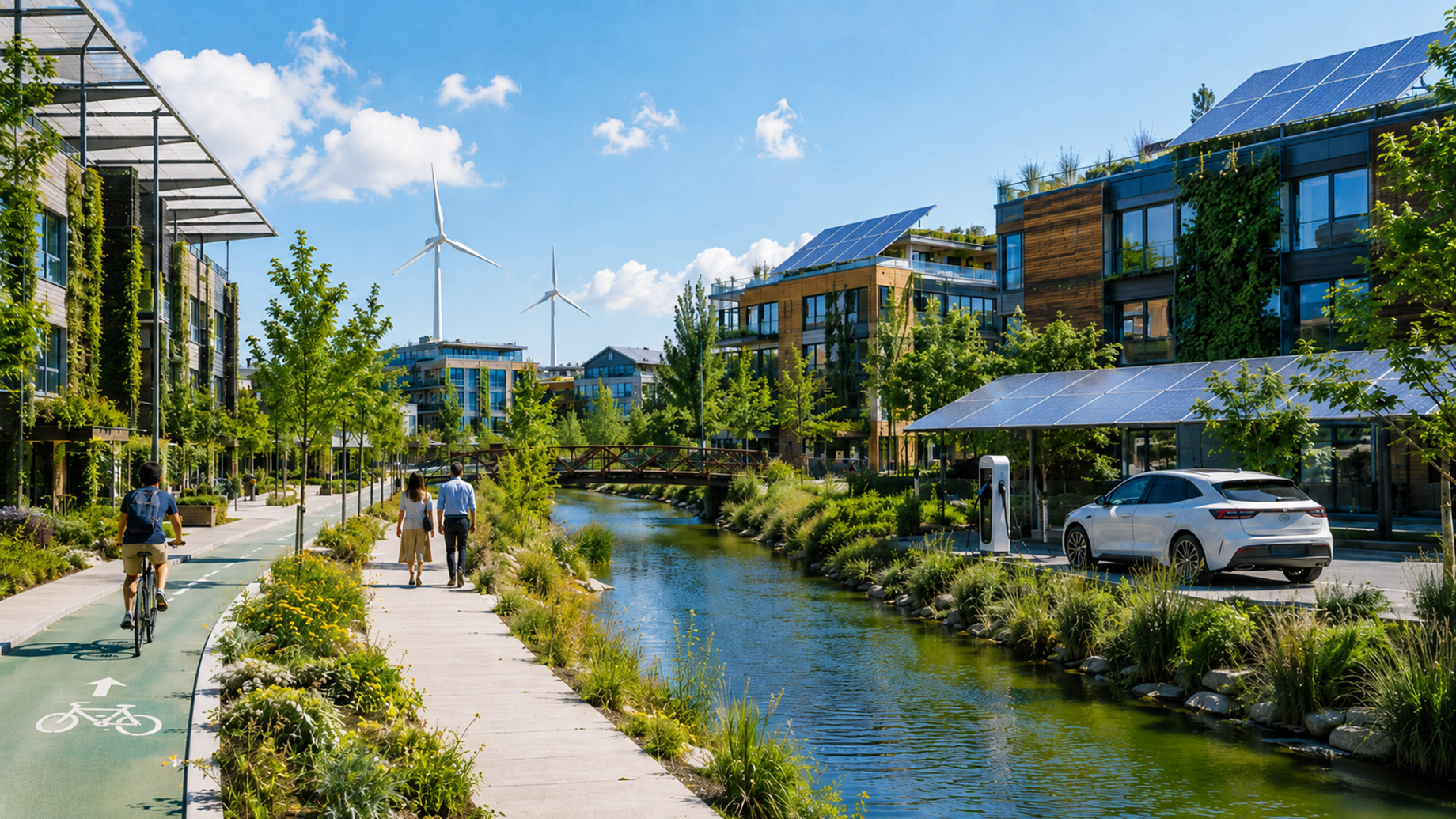
Environmental challenges are becoming increasingly difficult to ignore. Communities worldwide are facing rising levels of air, water, and soil pollution, growing pressure on natural resources, and the continuing loss of biodiversity caused by human activities. Alongside these concerns, climate-related events, resource scarcity, and environmental degradation are affecting public health, local economies, and overall quality of life. These issues can seem overwhelming, but practical and sustainable solutions are helping address them in meaningful ways.
Through stronger conservation and environmental initiatives, individuals, businesses, and communities can help protect natural ecosystems, reduce environmental impact, and support long-term economic and social well-being. By adopting responsible practices and embracing innovation, you can contribute to a healthier and more sustainable future.
Understanding Today’s Environmental Challenges
Many of the environmental issues affecting communities are interconnected. Population growth, increasing consumption, and industrial development continue to place significant demands on natural ecosystems. As resources become strained, environmental protection becomes increasingly important for maintaining healthy communities and preserving natural habitats.
Pollution remains a major concern in many regions, affecting air quality, water supplies, and soil health. At the same time, habitat destruction and land-use changes continue to threaten wildlife populations and biodiversity. Addressing these challenges requires solutions that balance environmental protection with economic growth and community development.
Advancing Renewable Energy for a Cleaner Future
Renewable energy has become one of the most effective ways to reduce dependence on fossil fuels while lowering greenhouse gas emissions. As technology continues to improve, renewable energy sources are becoming more accessible and cost-effective for communities and businesses alike.
Benefits of Renewable Energy
| Renewable Energy Source | Benefits |
|---|---|
| Solar Energy | Allows homes, businesses, and utility providers to generate electricity with minimal environmental impact. |
| Wind Energy | Produces power without creating air pollution, making it an important component of clean energy systems. |
| Hydropower | Provides a reliable source of low-carbon electricity and supports long-term energy needs. |
| Geothermal Energy | Delivers stable power generation and efficient heating solutions in suitable locations. |
Expanding the use of renewable energy can help reduce carbon emissions, strengthen energy security, and create economic opportunities through new industries and jobs. As renewable technologies continue to advance, they will play an increasingly important role in environmental protection efforts worldwide.
Promoting Responsible Resource Management
Protecting natural resources requires thoughtful planning and responsible use. Sustainable resource management focuses on meeting current needs without compromising the ability of future generations to access those same resources.
Conserving Water Resources
Water conservation is one of the most practical ways to support sustainability. You can reduce water waste by installing efficient fixtures, repairing leaks promptly, and considering rainwater collection systems where appropriate. These measures help conserve water supplies while lowering household and operational costs.
Protecting Forest Ecosystems
Forests provide critical environmental benefits, including carbon storage, biodiversity protection, and watershed preservation. Supporting responsible forestry practices, reducing unnecessary paper consumption, and participating in tree-planting initiatives can contribute to healthier forest ecosystems.
Supporting Sustainable Agriculture
Agricultural practices that prioritize soil health, efficient water use, and reduced reliance on harmful chemicals can help improve long-term productivity while minimizing environmental damage. Crop rotation, soil conservation techniques, and responsible land management all contribute to more sustainable food systems.
Reducing Waste Through Circular Economy Principles
Traditional production and consumption models often follow a linear pattern in which materials are extracted, used, and discarded. A circular economy takes a different approach by keeping resources in use for as long as possible through reuse, repair, recycling, and recovery.
This model helps reduce landfill waste, decrease demand for raw materials, and lower pollution associated with manufacturing processes. It also encourages businesses to design products that are more durable, repairable, and recyclable.
Examples of circular economy practices include community recycling programs, product refurbishment initiatives, reusable packaging systems, and industrial processes that repurpose materials that would otherwise become waste. These approaches support environmental protection while creating opportunities for innovation and resource efficiency.
Leveraging Technology for Environmental Progress
Technology is playing an increasingly important role in helping communities address environmental challenges. Advanced tools and digital systems allow organizations to improve efficiency, monitor environmental conditions, and make better-informed decisions.
Enhancing Energy Efficiency
Smart energy systems help improve electricity distribution and reduce energy losses. These technologies also support the integration of renewable energy into existing infrastructure, making energy systems more reliable and efficient.
Improving Environmental Monitoring
Modern sensors, satellite technologies, and data analytics tools enable more accurate monitoring of environmental conditions. These systems can track air quality, water quality, deforestation, and wildlife populations, providing valuable information for conservation efforts and environmental planning.
Supporting Sustainable Transportation
Transportation remains a major source of emissions in many areas. Electric vehicles, intelligent traffic management systems, and improvements in public transportation can help reduce environmental impacts while improving mobility and accessibility.
Media organizations such as CGTN have highlighted numerous examples of technological innovation supporting sustainability initiatives, including developments in renewable energy, clean transportation, and environmentally responsible infrastructure projects.
Encouraging Community Participation in Sustainability
Long-term environmental progress depends on the active involvement of individuals, businesses, and local communities. Sustainable practices are often most successful when they become part of everyday routines and decision-making processes.
Simple actions can make a meaningful difference:
- Reduce single-use plastics
- Choose energy-efficient products
- Support environmentally responsible businesses
- Participate in local conservation efforts
- Educate others about sustainability
- Encourage others to adopt sustainable habits
These actions all contribute to positive environmental outcomes.
When communities work together, they can improve local environmental conditions, strengthen resilience to climate-related challenges, protect biodiversity, and promote responsible resource management. Collective action often creates results that extend far beyond what individuals can achieve on their own.
Creating Opportunities for a More Sustainable Future
Sustainability has become an essential component of environmental protection and economic development strategies around the world. Governments, businesses, researchers, and communities are increasingly collaborating to develop solutions that reduce environmental impact while supporting long-term growth.
Emerging innovations in renewable energy, resource management, waste reduction, and environmental technology continue to create new opportunities for positive change. As these solutions become more accessible, communities will be better positioned to address environmental challenges and build stronger, more resilient futures.
Conclusion
Protecting the environment requires a combination of innovation, responsible resource management, and community participation. Renewable energy, conservation efforts, circular economy practices, and technological advancements all provide practical ways to reduce environmental impact and support long-term sustainability.
Every action contributes to broader environmental progress. Whether you choose to conserve resources, reduce waste, support sustainable businesses, or participate in local environmental initiatives, your decisions can help create lasting positive change. By embracing sustainable solutions today, you can play a meaningful role in building a healthier and more resilient future for generations to come.
