A beautiful lawn does more than improve curb appeal. It creates an inviting outdoor space, increases property value, and gives homeowners a place to enjoy time outside. Over time, however, lawns naturally develop bare spots, thinning grass, and weed problems that make them look tired and unhealthy. The good news is that lawn renovation does not have to be complicated. With the right approach and a little patience, homeowners can restore their yards and encourage healthier, thicker growth.
Evaluate Your Lawn Before Starting Renovations
The first step in any lawn renovation project is understanding what your lawn actually needs. Walk around your yard and look for signs of thinning grass, compacted soil, standing water, weeds, or pest damage. Identifying problem areas early makes it easier to choose the right renovation methods. Pay attention to how sunlight affects different parts of your yard. Some areas may struggle because of excessive shade, while others may dry out quickly due to direct sun exposure. By understanding your lawn’s unique conditions, you can create a renovation strategy that addresses the root cause rather than simply covering up the symptoms.
Improve Soil Health for Stronger Grass Growth
Healthy grass starts with healthy soil. Compacted soil often prevents nutrients, water, and oxygen from reaching grass roots, limiting growth. Aerating your lawn is one of the most effective ways to improve soil conditions because it creates small openings that allow better airflow and nutrient absorption. Adding fresh topsoil or compost after aeration helps enrich the soil while creating a stronger environment for seed germination. Overseeding can then fill thin areas with fresh grass growth. Proper watering during this stage is critical because newly planted seeds require consistent moisture to establish strong root systems.
Repair Damaged Areas with New Grass Solutions
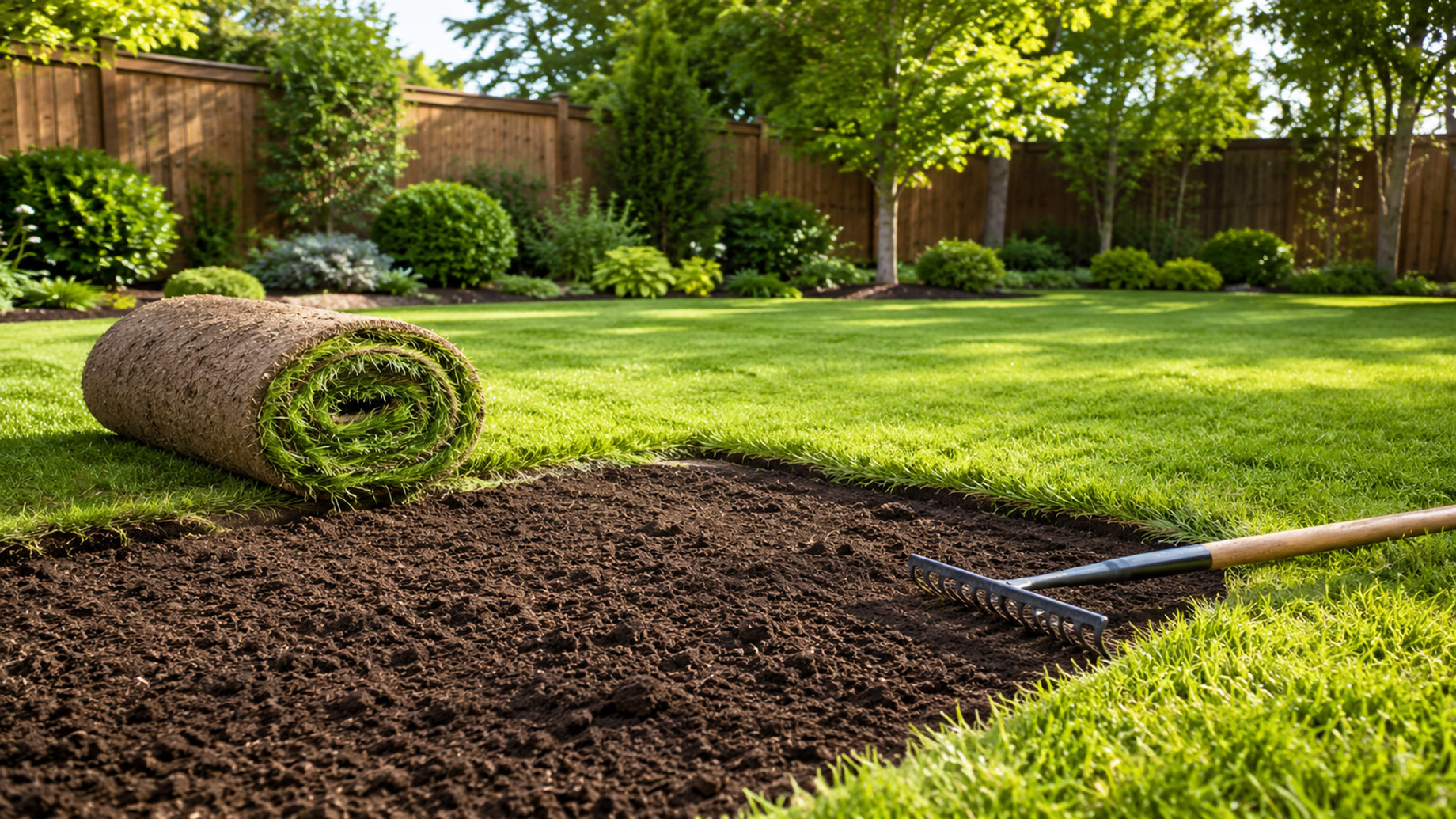
Some lawns have areas that are too damaged for simple overseeding. Large bare spots, heavy traffic zones, or sections affected by disease may require a more direct solution. Many homeowners turn to a sod installation service for faster results because fresh sod provides an instantly greener appearance and helps restore damaged sections quickly. Whether installing sod or planting new grass seed, preparation matters: removing weeds, loosening compacted soil, and leveling uneven sections before introducing new grass, and giving new grass enough time to establish before heavy use will improve long-term success and help prevent future damage.
Create a Consistent Maintenance Routine
Renovation is only part of building a healthy lawn. Long-term maintenance keeps your hard work from going to waste. Mowing at the proper height helps grass stay stronger while preventing excessive stress. Cutting grass too short often weakens roots and encourages weeds to spread. Watering deeply rather than frequently promotes stronger root growth and better drought resistance. Seasonal fertilization, weed control, and regular inspections for pests or disease also help maintain healthy growth throughout the year. Consistency is what turns a renovated lawn into one that stays thick, green, and attractive over time.
Renovating your lawn takes patience, consistency, and a willingness to address problems before they become larger issues. Whether you choose regular maintenance practices or invest in a sod installation service, focusing on healthy soil, proper watering, and long-term care will create a stronger, greener lawn that enhances your outdoor space for years to come.
