By a residential electrical systems industry contributor.
Your home’s electrical panel is the heart of its power system. But it was probably built for a time when people used less electricity. Years ago, a 60 or 100-amp service was more than enough. Today, you might have an electric car, a heat pump, an induction stove, and a home office all using power at the same time. This new demand can overload an older panel. This can cause breakers to trip often or, even worse, lead to dangerous overheating.
The solution is a core project that makes other modern upgrades possible. A good panel upgrade gives you the power and safety features you need for today’s technology. It’s more than just adding circuits. It’s about making sure your system’s core can handle the power demands for many years. This is not a simple DIY job. It requires working with the power company and passing an official inspection, so choosing the right contractor is very important.
Quick answer: A panel upgrade means replacing your main circuit breaker box with a new one that can handle more power (has a higher amperage). You need this to safely run power-hungry appliances like EV chargers and heat pumps. It also lets you replace old, unsafe parts and meet today’s electrical codes.
What’s inside
· What Does a Panel Upgrade Actually Involve?
· Why Is an Outdated Panel More Than Just an Inconvenience?
· How Should You Vet an Electrician for This Job?
· What Specifics Should Your Contract Include?
· Navigating the Permit and Inspection Process
· Frequently Asked Questions About Panel Upgrades
What Does a Panel Upgrade Actually Involve?
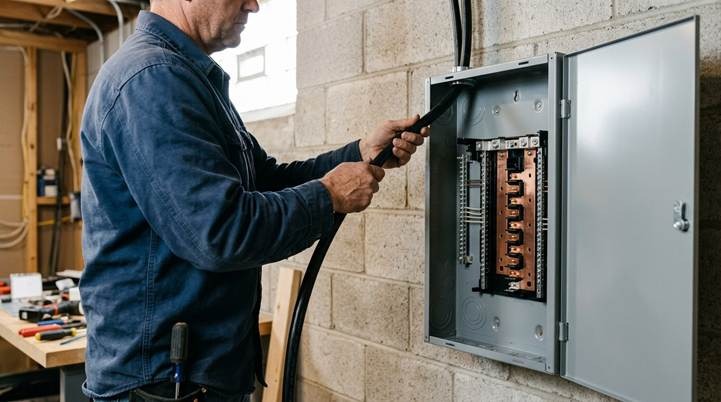
A panel upgrade is a systematic replacement of your home’s electrical load center. The process is much more involved than simply swapping a box on the wall. It is a coordinated effort between your electrician, the local utility, and a city inspector.
The first step is planning and coordination. Your electrician will calculate your home’s total potential electrical load. This helps determine if you need a 150-amp, 200-amp, or larger service. Then, the electrician schedules a power disconnection with the utility company. This is a critical step, as all work must be done on a system that is safely de-energized.
On the day of the upgrade, the power to your home will be shut off at the street. The electrician will then remove your old breaker panel and the electric meter. They will install a new, larger panel and meter base. A crucial part of this process is upgrading the grounding and bonding system. This system of metal rods and wires provides a safe path for electricity to travel in case of a fault, protecting you from shock.
Finally, the electrician connects all your existing home circuits to the new breakers. They will also install any new dedicated circuits you need for things like an EV charger. Each breaker will be clearly labeled so you know which one controls which part of your house. The entire process typically takes a full day, during which your home will have no power.
Why Is an Outdated Panel More Than Just an Inconvenience?
An old electrical panel is a direct safety risk. It can’t handle the amount of power we use today, and its parts wear out over time.
The main danger is heat. When you use more power than a circuit is built for, the breaker should trip and cut the power. But in old panels, this safety feature can fail, especially if parts are rusted or worn out. Instead of tripping, the parts get too hot. This heat can melt the plastic coating on wires and even set the wood in your walls on fire. It’s a serious fire risk hidden from view.
Also, many houses built before the 1990s have panels that are now considered old and unsafe. Some brands from that time are known to have breakers that don’t trip when they should. These panels aren’t just too small for today’s needs; they are built with lower safety standards than modern ones. Replacing them isn’t just a sales pitch, it’s a necessary safety upgrade.
❝ A key thing to check is the brand name on your panel’s door. If you see names like Federal Pacific Electric (FPE) or Zinsco, you should have an electrician check it right away. These brands are known by experts to have major safety problems. Most electricians will recommend replacing them immediately.
Finally, a small panel limits what you can do in your house. You can’t safely add an EV charger, a new heat pump, or a hot tub if your system can’t handle the power. Trying to add them anyway will overload your circuits. This creates the dangerous heat and risk that modern electrical codes are made to stop. Consider a common scenario: a family installs a new heat pump and buys an electric car. When the heat pump runs and the car charges, the kitchen lights flicker. The breaker trips if they use the microwave. Their 100-amp panel cannot support their modern lifestyle safely.
How Should You Vet an Electrician for This Job?
To find a good electrician, you need to check their state license and insurance, ask for references for similar jobs, and get a detailed contract that lists all the costs.
First, make sure the contractor has a valid license and proper insurance. In Colorado, for instance, you can check an electrician’s license on the Department of Regulatory Agencies (DORA) website. You should look for a Master Electrician, who is licensed to get the permits for this kind of work. Also, ask for proof of insurance that covers both property damage and worker injuries. This protects you if an accident happens on your property.
Next, check their experience with this specific job. Many electricians are skilled, but one who does panel upgrades all the time will know the process better. They will be familiar with the local power company’s rules and what inspectors look for. Ask how many upgrades they do each month. Also ask what problems they often see in houses like yours. Their answers will show you how experienced they really are.
❝ Insider Tip: When you call an electrician’s references, ask specific questions. Don’t just ask if they were happy. Ask: “Did the project finish on time? Was the final cost the same as the quote? How did they handle the power outage and cleanup?” The details of their answers tell you more than a simple ‘yes’.
Finally, look closely at the proposal. A quote given verbally or just a single price on a business card is a big red flag. A professional proposal is a detailed document that will become part of your contract.
| Evaluation Criteria | Green Flag (A Thorough Proposal) | Red Flag (A Vague Estimate) |
| Scope of Work | Lists every step: calling the utility, removing the old panel, installing the new one, upgrading the grounding system, and labeling all circuits. | “Panel swap” or “New breaker box.” |
| Materials List | Names the brand and size of the panel and breakers (like AFCI/GFCI). | “All necessary materials included.” |
| Permit & Inspection | Clearly states they will get the permit and handle the inspection. | Is unclear, or asks you to get the permit. |
| Cost Breakdown | Breaks down all costs: labor, parts, permit fees, etc. | A single, lump-sum price. |
What Specifics Should Your Contract Include?
A detailed contract is your best protection. It turns a proposal into a legally binding agreement. It should leave no room for confusion about the work, the cost, or the timeline. Never proceed with a major job like this without a signed contract.
Your contract must include the total cost and a clear payment schedule. Avoid paying the full amount upfront. A typical structure is a deposit to start, with the final payment due only after the work passes inspection. This gives the contractor an incentive to complete the job correctly.
The document should also contain a detailed scope of work. This section should list every task, from coordinating with the utility to the final labeling of circuits. It should also specify the exact materials being used. This includes the brand of the panel and the types of breakers, such as Arc Fault Circuit Interrupters (AFCIs), which are required by modern codes.
Finally, confirm the contract includes logistical details. It should state who is responsible for securing the permit and scheduling the inspection. It should also outline the warranty for both parts and labor. A good contractor will stand behind their work for at least one year.
Navigating the Permit and Inspection Process
The permit and inspection process is not optional. It is a legal requirement designed to ensure your safety. Your licensed electrician should manage this entire process for you. Your main role is to understand the steps and confirm they are being followed.
First, the electrician submits an application and sometimes a simple diagram to your local building department. This happens before any work begins. The permit fee is usually included in your total project cost. Working without a permit can lead to fines and trouble selling your home later.
After the new panel is installed, an official city or county inspector must approve the work. The inspector will visit your home to check that everything meets the National Electrical Code and any local rules. They verify the panel is installed correctly, the grounding is sufficient, and the proper breakers are used.
If the work passes, the inspector will place a sticker of approval on the panel. This “green tag” is the signal to the utility company that it is safe to restore power. If the work fails, the inspector will provide a list of corrections for the electrician to fix before a second inspection.
Frequently Asked Questions About Panel Upgrades
How much does a panel upgrade usually cost? The cost varies based on several factors. A standard upgrade from 100 amps to 200 amps can cost a few thousand dollars. The price increases if the panel needs to be moved to a new location. It also goes up if the main service wire from the utility pole to your house needs to be replaced. Always get multiple detailed quotes.
Can I do a panel upgrade myself? No, you should not attempt this yourself. This is a dangerous job that involves working with high-voltage utility lines. Only a licensed master electrician is qualified and legally allowed to coordinate with the power company for disconnection and reconnection. Unpermitted, DIY electrical work is a major fire hazard and can void your homeowner’s insurance.
Is a panel upgrade worth it? Yes, it is a valuable investment in your home’s safety and function. It eliminates the fire risk associated with old, overloaded panels. It also gives you the electrical capacity to add modern amenities like EV chargers, heat pumps, and induction cooktops. This makes your home more functional for you and more attractive to future buyers.
This article is for informational purposes only. Electrical work is dangerous. Always consult with a qualified, licensed, and insured electrician for any electrical project in your home.