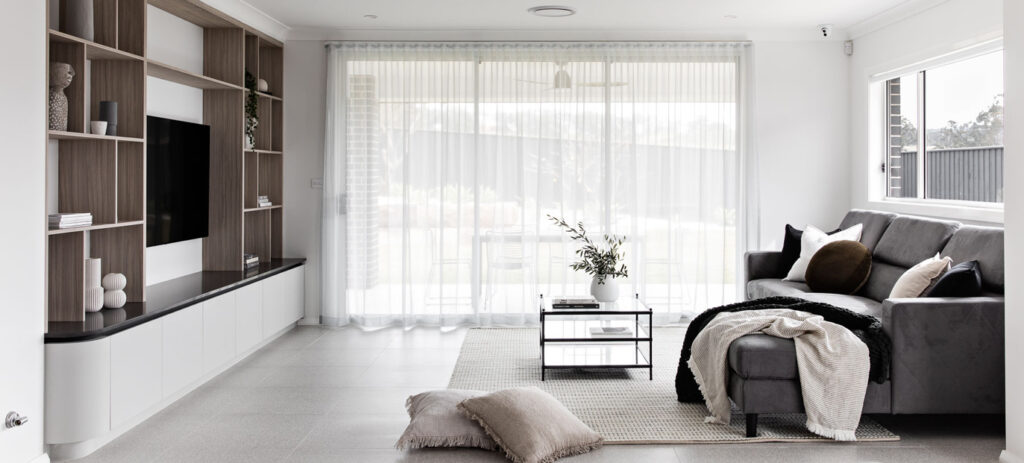
Larger homes rarely have one comfort problem. A west-facing home office may warm up in the afternoon, while an east-facing breakfast room feels fine by noon. A primary suite may need a cooler night setting, while a media room warms up during evening use.
A guest suite may sit empty most of the month, then needs to feel calm and ready. That kind of home asks for more than a powerful HVAC system. It needs zoning that respects the architecture, the room schedule, and the quiet experience people expect from a well-designed property.
In a larger property, comfort is part of the experience of the home, not just a mechanical result.
One Setting Rarely Serves the Whole Home
Bigger homes are harder to cool evenly because every room has its own conditions. Glass exposure, ceiling height, floor level, insulation, and room use all change the comfort picture.
The rooms are not equal
A single temperature can be a blunt tool in a large home. The sunny office may feel warm while the shaded living room is already comfortable. The guest suite may not need cooling at all until someone arrives.
This is where comfort becomes a planning issue, not just an equipment issue. The goal is to match cooling to how each space is used.
Owners notice the difference most in rooms with a clear purpose. A primary suite should settle down at night, a media room should stay comfortable with people gathered inside, and an office should not depend on cooling the entire floor.
The system should respect the design
High-end homes often have strong design intent. Wall proportions, artwork, window treatments, built-ins, and sightlines matter. HVAC planning should support those choices instead of fighting them.
In larger homes with several high-use spaces, a 4 zone mini split system can be part of a broader zoning strategy.
The cleanest planning happens before the room is treated as finished. Equipment locations, control points, and service access should be considered with the same care as lighting, millwork, and furniture placement.
Different Rooms Deserve Different Comfort
Better zoning does not mean every room needs the same solution. It means the comfort plan matches the rooms that matter most and keeps each space from depending on a distant thermostat.
A suite, office, media room, and guest space rarely need the same thing
A four-space plan might include a primary suite, home office, media room, and guest space. That is only one example. The right grouping depends on the property’s layout and how the owners live.
The primary suite may need quiet nighttime control. The office may need daytime cooling. The media room may need help when equipment and people add heat. The guest area may need comfort on demand.
Those rooms also carry different expectations. A study should feel still and focused. A guest suite should be simple for visitors. A media room should cool without calling attention to airflow or equipment noise.
Quiet rooms need careful placement
Bedrooms, studies, libraries, and media rooms all reward careful placement. Airflow should not cut across a bed, desk, reading chair, or listening position.
A well-planned mini split system should support the home’s layout instead of feeling like an afterthought.
Where Room-by-Room Control Helps
Multi-zone comfort is most useful when the property has meaningful differences between rooms. A large home with uniform spaces may not need the same plan as a home with suites, additions, and specialty rooms.
Rooms used at different times
Large homes often include spaces that are not used all day. Guest rooms, formal rooms, offices, gyms, and lounges may have clear schedules.
Zoning lets those rooms operate around real use, not a constant whole-house setting. That can improve comfort without making every room compete for the same temperature.
Additions and detached spaces
Guest suites, pool houses, studios, and converted spaces often sit outside the original HVAC plan. They may have limited ductwork, different insulation, or different occupancy patterns.
Detached or semi-detached spaces still need professional assessment. Distance, electrical access, equipment placement, and local rules can all affect what is practical.
Homes where ducts feel intrusive
Older luxury homes and carefully designed renovations may not welcome major duct changes. Opening walls or ceilings can disrupt finishes that are difficult or expensive to replace.
A ductless approach may help in certain rooms, but it should be planned with the same attention given to lighting, cabinetry, and surface materials.
Design Details That Matter After Move-In
In a larger home, small HVAC placement choices can become visible every day. Good planning considers comfort, maintenance, sound, and appearance at the same time.
Indoor unit location
Indoor units should be positioned with sightlines in mind. A wall that is technically available may be visually wrong once furniture, art, and window treatments are in place.
Air direction matters too. Quiet comfort is not just a low sound rating. It is also about avoiding drafts across beds, desks, sofas, and conversation areas.
Placement should be reviewed from seated and standing positions. A unit that disappears from one angle may dominate the view from a desk, lounge chair, or bed.
Outdoor unit placement
Outdoor equipment needs access, airflow, and a location that works with the property. Sound, service clearance, screening, and exterior views all deserve attention.
Hiding equipment too aggressively can create service problems later. A workable location often balances appearance, maintenance, and performance.
Screening can help, but the unit still needs room to breathe and space for service. A qualified installer should confirm clearance, mounting, electrical needs, and local requirements before the location is finalized.
Controls and daily routines
Controls should match the way the home is used. A guest suite, office, and media room should not need the same schedule or set point every day.
Smart controls can be useful, but the real value is simpler than that. Each important room should be easy to adjust without turning the rest of the home into a compromise.
Comfort Should Feel Built Into the Home
Luxury living is not only about finishes. It is also about rooms that feel steady, quiet, and ready when people use them.
Before a renovation, addition, or system upgrade, map the spaces that deserve independent comfort. Then review equipment placement, controls, sound, and design impact with an HVAC professional who understands the whole property.
That conversation is easier before drawings and finishes are locked. It gives the comfort system a chance to belong to the home instead of being added around it.