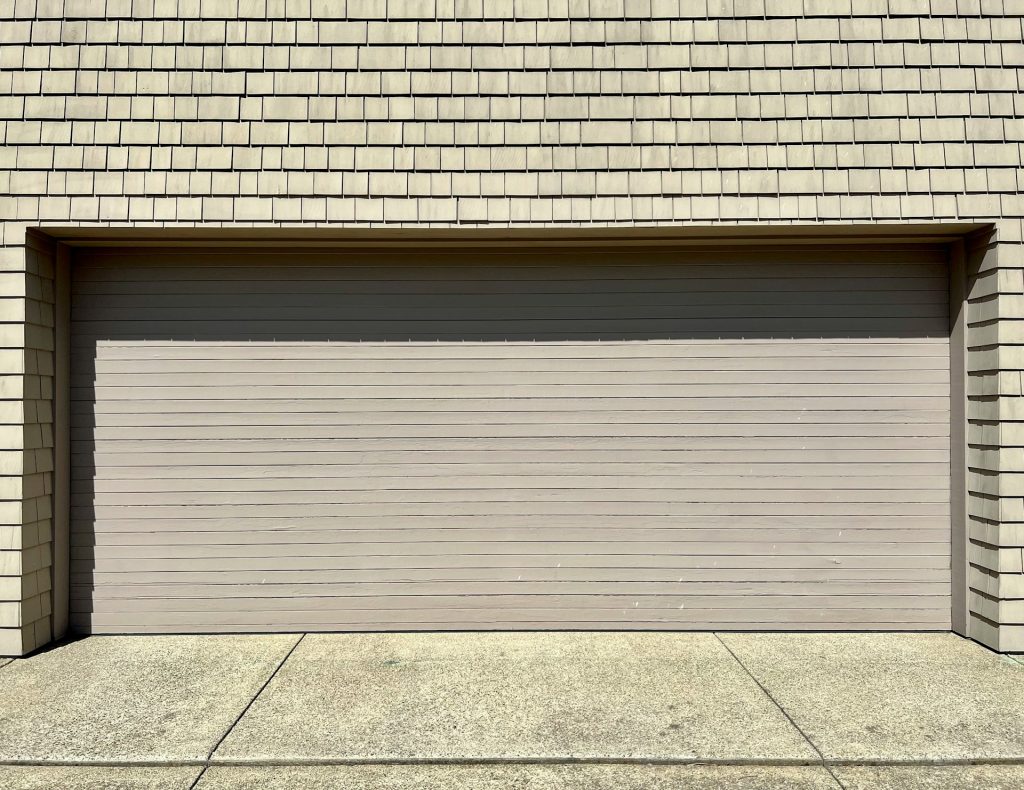
A garage door that starts to close and then suddenly reverses can be frustrating, inconvenient, and sometimes concerning. You press the remote, the door moves down, and just before reaching the ground, it goes right back up. When your garage door reverses before closing, it is usually a sign that the door’s safety system is detecting a problem. In many cases, the issue is simple, such as dirty sensors or an object in the door’s path. In other cases, it may point to worn parts, incorrect opener settings, or a mechanical problem that needs professional attention.
Understanding why this happens can help you decide whether you can safely troubleshoot the issue yourself or whether it is time to call for garage door repair services.
How Your Garage Door Safety System Works
Modern garage doors are designed with safety features that prevent the door from closing on people, pets, vehicles, or objects. The most common safety features include photo-eye sensors, force settings, travel limits, and the garage door opener’s auto-reverse function.
Photo-eye sensors are usually installed near the bottom of the garage door tracks, a few inches above the floor. They send an invisible beam across the opening. If anything interrupts that beam, the opener stops the door and reverses it.
The opener also monitors resistance. If the door meets too much force while closing, the opener assumes something is blocking the door and reverses it. This is an important safety feature, but it can also be triggered by mechanical issues, poor alignment, or incorrect settings.
Common Reasons Your Garage Door Reverses Before Closing
There are several reasons this problem may happen. Some are easy to spot, while others require a trained technician.
Dirty or Blocked Safety Sensors
One of the most common reasons a garage door reverses is a problem with the safety sensors. Since these sensors are close to the floor, they can easily collect dust, dirt, cobwebs, leaves, or debris.
Your sensors may be blocked by:
- A trash can, broom, or storage box
- Leaves or dirt near the track
- Cobwebs around the sensor lens
- A bicycle tire or tool leaning into the path
- Snow, mud, or water buildup near the garage opening
Even a small obstruction can interrupt the sensor beam and cause the door to reverse.
Misaligned Photo-Eye Sensors
If the sensors are clean but not pointing directly at each other, the garage door opener may think something is in the way. Sensors can become misaligned if they are bumped by a lawn tool, trash bin, child’s toy, or vehicle tire.
Many sensors have small indicator lights. If one or both lights are blinking or off, alignment may be the issue. Carefully adjusting the sensors until both lights remain steady may solve the problem.
Incorrect Travel Limit Settings
Garage door openers use travel limit settings to know how far the door should move when opening or closing. If the close limit is set too far, the opener may push the door into the ground and then reverse because it thinks it has hit an obstruction.
This often happens after a new opener installation, power disruption, adjustment, or gradual wear in the system. Travel limit settings can usually be adjusted on the opener unit, but it is important to follow the manufacturer’s instructions closely.
Force Settings Are Too Sensitive
The opener’s force settings control how much resistance the motor will tolerate before reversing. If the close-force setting is too sensitive, the door may reverse even when there is no object in the way.
This can happen when the door is heavy, the tracks are dirty, the rollers are worn, or the opener is aging. Adjusting force settings without addressing the underlying cause can create a safety risk, so this issue should be handled carefully.
Damaged or Dirty Garage Door Tracks
Your garage door must move smoothly along its tracks. If the tracks are bent, dirty, loose, or obstructed, the door may meet resistance while closing. The opener then reverses the door as a safety response.
Common track problems include:
- Dirt or grease buildup
- Loose track brackets
- Bent track sections
- Small objects lodged in the track
- Rust or corrosion
- Misaligned vertical or horizontal tracks
A quick visual inspection may reveal obvious problems, but major track adjustments should be handled by a professional.
Worn or Damaged Rollers
Rollers help the garage door glide along the tracks. When rollers become cracked, worn, rusted, or stuck, they can create extra friction. That added resistance may cause the opener to reverse before the door fully closes.
Noisy operation, jerky movement, or visible roller damage can all point to this issue. Replacing worn rollers can improve performance and reduce strain on the opener.
Broken or Weak Springs
Garage door springs carry much of the door’s weight. If a spring is broken or losing tension, the opener may struggle to control the door. This can cause the door to reverse, stop midway, close unevenly, or feel unusually heavy.
Spring problems are dangerous to repair without the right tools and training. Garage door springs are under high tension, and improper handling can cause serious injury. If you suspect a spring issue, contact professional garage door repair services.
Problems With the Garage Door Opener
Sometimes the door itself is not the problem. The opener may have worn gears, a faulty circuit board, bad wiring, or a failing motor. If the opener makes unusual sounds, operates inconsistently, or reverses even after sensors and tracks have been checked, the opener may need service or replacement.
What You Can Check Before Calling a Professional
Before scheduling service, there are a few safe troubleshooting steps you can try.
- Remove objects from the garage door opening.
- Wipe the sensor lenses with a soft cloth.
- Check whether both sensor lights are steady.
- Make sure nothing is leaning against the tracks.
- Look for obvious dents, debris, or loose hardware.
- Test the wall button and remote to see if the issue happens with both.
- Check the opener manual for basic reset or limit adjustment instructions.
Avoid forcing the door closed repeatedly. If the door continues to reverse, forcing it can make the problem worse or damage the opener.
When the Problem May Be More Serious
A reversing garage door should not be ignored if it happens regularly. It may indicate that the door is not balanced, the opener is straining, or the safety system is malfunctioning. These issues can affect both safety and security.
You should call a technician if:
- The door reverses every time it closes.
- The door closes unevenly.
- You hear grinding, scraping, or popping sounds.
- The door feels very heavy when operated manually.
- A spring or cable appears damaged.
- The tracks are bent or pulling away from the wall.
- The opener hums, but the door does not move correctly.
- Sensor alignment does not fix the problem.
Professional garage door repair services can inspect the full system, identify the cause, and make safe adjustments or repairs.
FAQ About Garage Doors That Reverse Before Closing
Why does my garage door go down and then back up?
This usually happens because the opener detects an obstruction, sensor issue, or too much resistance. Dirty sensors, misaligned sensors, incorrect limit settings, or track problems are common causes.
Can dirty sensors make my garage door reverse?
Yes. Dust, cobwebs, leaves, and debris can block the sensor beam. Cleaning the lenses and clearing the area around the sensors may solve the issue.
Is it safe to adjust garage door sensors myself?
Basic cleaning and gentle realignment are usually safe. However, wiring issues, damaged brackets, or repeated sensor failures should be handled by a professional.
Why does my garage door reverse when nothing is in the way?
The opener may be detecting resistance from worn rollers, dirty tracks, weak springs, or incorrect force settings. It may also be receiving a false signal from misaligned sensors.
Can I keep using my garage door if it keeps reversing?
It is not recommended. Repeatedly forcing the door to close can damage the opener and create safety risks. If simple troubleshooting does not work, schedule service.
Do I need a new garage door opener?
Not always. Many reversing issues are caused by sensors, tracks, rollers, or settings. A technician can determine whether repair or replacement is the better option.
Why Professional Garage Door Repair Services Matter
A garage door system has many connected parts, including springs, cables, rollers, tracks, sensors, hinges, and the opener. When one part is not working correctly, the whole system can become unreliable. Professional technicians have the tools and experience to diagnose the issue safely and accurately.
Hiring garage door repair services can help prevent further damage, restore smooth operation, and protect your home. A technician can also test the safety reversal system, inspect spring tension, lubricate moving parts, tighten hardware, and adjust the opener as needed.
Preventing Future Reversing Problems
Regular maintenance can help reduce the chances of your garage door reversing unexpectedly. A few simple habits can make a big difference.
- Keep the sensor area clean and clear.
- Avoid storing items near the garage door tracks.
- Listen for new or unusual noises.
- Watch for jerky or uneven door movement.
- Schedule routine inspections.
- Replace worn rollers, hinges, or weatherstripping when needed.
- Do not ignore small performance changes.
A garage door that works smoothly is safer, quieter, and more convenient.
Final Thoughts
When your garage door reverses before closing, the cause is often related to the safety sensors, travel limits, force settings, tracks, rollers, springs, or opener. Some problems are simple to fix, such as clearing debris or cleaning sensor lenses. Others require professional attention, especially when springs, cables, tracks, or opener components are involved.
If the problem keeps happening, do not rely on guesswork. A qualified technician can inspect your system and provide dependable garage door repair services to get your door closing safely again.