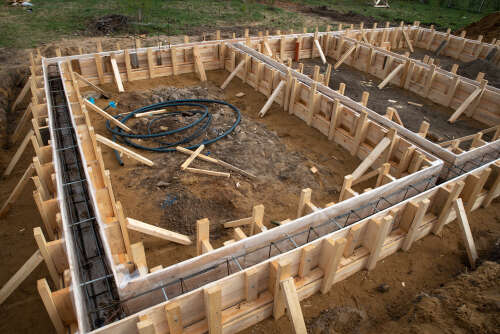
When a building’s foundation starts to fail, the fix is rarely as simple as patching a few cracks. In many cases, the safest and most effective solution is to lift the entire structure off its foundation so crews can repair or replace what lies beneath. It may sound dramatic, but raising a building is a proven, carefully engineered process that has been used for well over a century.
If you own a home or commercial property that needs foundation work, understanding why raising is necessary can help you make informed decisions. This guide explains what building raising involves, why contractors recommend it, how the process works, and what to look for when hiring building raising services.
What Is Building Raising?
Building raising, also called house lifting or structural jacking, is the process of separating a structure from its foundation and lifting it to a temporary height. Steel beams are placed beneath the building, and hydraulic jacks raise it evenly, often several feet into the air. The structure then rests on temporary supports called cribbing while work continues below.
Once the foundation has been repaired, rebuilt, or replaced, the building is lowered back down and secured to the new base. Throughout the process, the structure stays intact. Walls, floors, roofs, and in many cases even furniture and fixtures remain in place.
The Main Reason: Full Access to the Foundation
The simplest answer to why buildings are raised is access. A foundation sits directly beneath the weight of the entire structure, which makes it extremely difficult to repair or replace while the building is still resting on it.
Raising the structure gives crews several important advantages:
- Room to work: Excavators, concrete trucks, and workers can reach every part of the foundation without tunneling or working in cramped crawlspaces.
- Complete removal: A badly damaged foundation can be demolished and hauled away entirely instead of being patched.
- Proper curing: New concrete footings and walls can cure fully without bearing any load, which leads to a stronger finished foundation.
- Accurate inspection: Engineers and inspectors can see the soil, footings, and drainage conditions clearly before the new foundation goes in.
Trying to replace a foundation without lifting the building is a bit like changing a car tire without a jack. It might be possible in theory, but it is slower, riskier, and far less effective.
Foundation Problems That Often Require Raising
Not every foundation issue calls for lifting the building. Minor cracks or small settlement problems can often be handled with piering, sealing, or mudjacking. Raising becomes the preferred option when damage is widespread or structural.
Severe Settlement
When soil beneath a foundation compresses, washes out, or shifts, sections of the foundation can sink unevenly. Signs include sloping floors, doors that will not close, and large diagonal cracks in walls. If settlement is extensive, the foundation may need to be rebuilt on new, deeper footings.
Crumbling or Deteriorated Materials
Older foundations built with stone, brick, or early concrete mixes can break down over time. Moisture, freeze-thaw cycles, and poor original construction all contribute. When the material itself is failing, replacement is usually more practical than repair.
Bowing or Collapsing Walls
Hydrostatic pressure from saturated soil can push basement walls inward. Severe bowing threatens the stability of the entire structure and often requires full wall replacement.
Water Damage and Rot
In buildings with wood sills or pier and beam foundations, long-term moisture exposure can rot structural members. Raising the building allows crews to replace damaged sills, beams, and posts safely.
Other Reasons Buildings Are Raised
Foundation failure is not the only reason property owners lift their structures. Raising also opens the door to upgrades that would otherwise be impossible.
- Flood protection: In flood-prone areas, raising a home above the base flood elevation can reduce flood risk and may lower flood insurance premiums. Some local regulations require elevation after substantial damage or renovation.
- Adding a basement: Lifting a home on a slab or crawlspace lets crews excavate and pour a full basement, adding valuable living or storage space.
- Adding a new lower level: Some owners raise a home and build a new ground floor beneath it, effectively creating a two-story structure.
- Code compliance: Older buildings may need foundation upgrades to meet current building or seismic codes.
- Historic preservation: Raising allows historic buildings to receive modern foundations without disturbing their original architecture.
How the Raising Process Works
Every project is unique, but most professional lifts follow a similar sequence of steps.
- Assessment and engineering: A structural engineer evaluates the building, its weight, and the condition of the existing foundation. Plans are drawn up for the lift and the new foundation.
- Permits: The contractor or owner obtains building permits and any required zoning approvals.
- Utility disconnection: Water, sewer, gas, and electrical lines are disconnected or extended so they can move safely with the building.
- Excavation and access: Crews dig around the foundation and cut openings in the foundation walls to make room for steel beams.
- Beam placement: Main steel beams are slid beneath the structure, with cross beams placed perpendicular to distribute the load.
- Lifting: A unified hydraulic jacking system raises the building evenly, often in small increments. Cribbing towers are built up as the structure rises.
- Foundation work: With the building secured overhead, crews repair, demolish, or rebuild the foundation.
- Lowering and securing: The building is lowered onto the new foundation, anchored in place, and utilities are reconnected.
A unified jacking system is a key safety feature. It lifts all points of the building at the same rate, which reduces stress on the frame and helps prevent cracking.
Benefits of Raising Compared to the Alternatives
When a foundation is badly damaged, owners generally have three choices: repair it in place, raise the building and rebuild the foundation, or tear the structure down and start over. Raising often strikes the best balance between cost, quality, and preservation.
Key benefits include:
- Preserves the existing structure: You keep the home or building you already have, including its character and finishes.
- Lower cost than demolition: Raising and rebuilding the foundation is typically far less expensive than constructing a new building.
- Long-lasting results: A brand-new foundation built to current standards can last for decades.
- Added value: Upgrades like a new basement or flood elevation can increase property value and usability.
- Less waste: Saving the structure keeps tons of building materials out of landfills.
In-place repairs can be a good choice for limited damage, but they may only delay larger problems if the foundation is fundamentally failing.
How to Choose Building Raising Services
Lifting a building is specialized work that requires heavy equipment, engineering knowledge, and years of hands-on experience. The contractor you choose will directly affect the safety and success of your project. When comparing building raising services, look for the following qualities.
Credentials and Experience
- Proper state licensing and registration for structural moving or lifting
- Membership in industry groups such as the International Association of Structural Movers
- A track record with buildings similar in size, age, and construction type to yours
- Experience working with local permit offices and inspectors
Insurance and Equipment
- General liability and cargo or structural coverage high enough to protect your building’s full value
- Modern hydraulic unified jacking systems
- Adequate steel beams and cribbing for your structure’s weight
Questions to Ask
- Will a licensed structural engineer review the project?
- Do you handle the foundation work, or will I need a separate contractor?
- Who is responsible for permits and utility disconnections?
- How long will the building remain raised?
- What warranties do you offer on the lift and the new foundation?
Always request a detailed written estimate and check references from recent clients. The lowest bid is not always the best value when the stability of your entire building is at stake.
Preparing Your Property and Budget
A little preparation helps the project move smoothly and keeps costs predictable.
Getting the Property Ready
- Secure or remove fragile items such as mirrors, artwork, and dishes.
- Clear the area around the foundation, including shrubs, decks, porches, and stored items.
- Plan for temporary housing, since most homes cannot be occupied while raised.
- Arrange for pets, vehicles, and outdoor equipment to be kept away from the work zone.
Understanding the Costs
The price of raising a building varies widely based on its size, weight, construction type, and how high it needs to go. Common cost factors include:
- Engineering and permit fees
- The lift itself, including equipment and labor
- Foundation demolition and new foundation construction
- Utility disconnection and reconnection
- Site restoration, landscaping, and new steps or porches
- Temporary housing for the duration of the project
Plan for a contingency fund of 10 to 20 percent. Hidden issues such as rotted framing or poor soil are sometimes discovered only after the building is lifted. In flood zones, ask about grant programs or assistance that may help offset elevation costs.
Frequently Asked Questions
Is it safe to raise a building?
Yes, when done by experienced professionals. Engineered plans, unified hydraulic jacks, and proper cribbing allow buildings to be lifted evenly and supported securely throughout the project.
How high are buildings usually raised?
It depends on the work being done. Foundation repairs may only require a few feet of clearance, while flood elevation or basement additions can require eight feet or more.
Can I stay in my home while it is raised?
In most cases, no. Utilities are disconnected, and access is unsafe, so owners typically need temporary housing until the building is lowered and reconnected.
How long does the process take?
The lift itself often takes a few days. The full project, including foundation work and lowering, commonly ranges from several weeks to a few months.
Will raising cause cracks in my walls?
Minor cosmetic cracks in drywall or plaster can occur. A careful, even lift greatly reduces the risk, and small cracks are usually easy to repair afterward.
Can any building be raised?
Most wood-frame homes can be raised, and many brick, stone, and commercial buildings can be lifted as well. Heavier masonry structures require more engineering and specialized equipment.
Do I need a permit to raise my building?
Almost always. Most jurisdictions require building permits for both the lift and the new foundation. Your contractor can usually help with the application process.
Building a Stronger Future From the Ground Up
Buildings are raised before foundation work begins for one core reason: it is the safest and most effective way to give crews full access to what lies beneath. Lifting the structure allows damaged foundations to be removed completely, new ones to be built and cured properly, and valuable upgrades like basements or flood elevation to be added along the way.
If your property shows signs of serious foundation trouble, start with a professional assessment. Then compare experienced, licensed, and fully insured building raising services that can guide you through engineering, permits, and construction. With the right team in place, your building can rest on a solid foundation for many years to come.