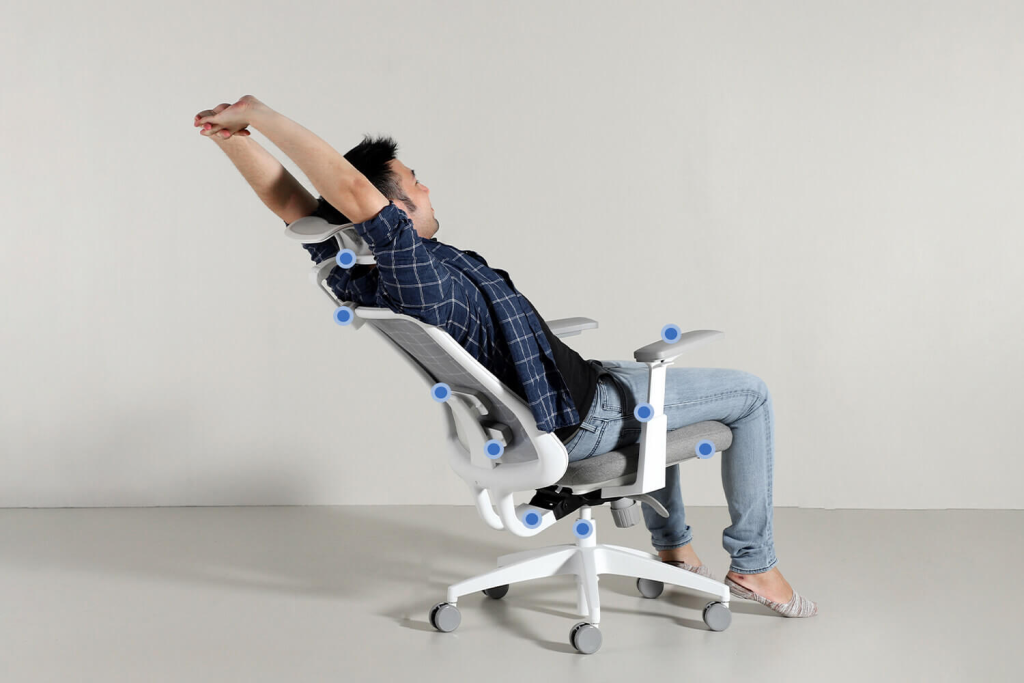
A comfortable office is no longer viewed as a workplace luxury. Businesses now recognize that the furniture employees use every day directly influences their comfort, focus, and overall productivity. Investing in ergonomic furniture supports healthier work habits while creating a more efficient environment.
Whether employees work from a corporate office or a home workspace, ergonomic furniture can make everyday tasks easier and more comfortable. Understanding who benefits the most helps businesses make informed purchasing decisions that improve both employee wellbeing and long term performance.
Why Ergonomic Office Furniture Matters
Creating a healthier workplace starts with choosing furniture that supports the way people naturally work. Businesses looking for modern workplace solutions can explore the options available at Urban 411 office furniture in UAE to better understand how ergonomic office furniture can improve comfort, productivity, and workspace efficiency.
Key reasons ergonomic office furniture is important include:
- Promotes healthy sitting posture.
- Reduces strain on the neck, shoulders, and back.
- Improves employee comfort during long working hours.
- Supports greater focus and productivity.
- Encourages movement and flexibility throughout the day.
- Helps reduce workplace fatigue.
- Creates a more professional office environment.
- Supports employee wellbeing over the long term.
Who Benefits the Most from Ergonomic Office Furniture?
The advantages of ergonomic office furniture extend across every industry. While every workplace has unique requirements, certain groups experience even greater improvements in comfort, health, and productivity after upgrading their work environment.
Office Employees
Many office employees spend most of their working day seated in front of a computer. Poorly designed furniture often contributes to discomfort that gradually affects posture, concentration, and daily performance.
Ergonomic chairs and adjustable desks encourage healthier working positions throughout the day. Proper posture helps employees remain comfortable while reducing unnecessary physical strain during extended periods of desk work.
Remote and Hybrid Workers
Remote work has become a permanent arrangement for many professionals. Unfortunately, kitchen tables and dining chairs rarely provide the support needed for a full working day.
Creating a dedicated workspace with ergonomic furniture improves comfort and consistency at home. Better support allows remote employees to remain productive while reducing fatigue that develops after hours of computer use.
Business Owners
Business owners benefit when employees are comfortable, engaged, and able to perform at their best. Workplace improvements often lead to greater efficiency while helping companies create a positive professional culture.
Investing in ergonomic furniture demonstrates a commitment to employee wellbeing. Long term value comes from improved productivity, better morale, and furniture that continues performing reliably for many years.
People with Back or Neck Discomfort
Many professionals experience occasional back, neck, or shoulder discomfort after spending long hours at a desk. While furniture cannot replace medical advice or treatment, ergonomic designs can support healthier body positioning during everyday work.
Features such as adjustable chairs, lumbar support, and properly positioned desks help reduce unnecessary pressure on the body. Improved spinal alignment allows users to work more comfortably while minimizing strain caused by poor posture.
Creative Professionals
Designers, architects, writers, and other creative professionals often spend extended periods focused on detailed projects. Remaining in the same position for hours can lead to stiffness and reduced concentration over time.
Ergonomic furniture encourages movement while providing the support needed for focused work. Greater comfort helps creative professionals maintain productivity without constant interruptions caused by physical discomfort.
Growing Companies
As businesses expand, so do their workspace requirements. Investing in ergonomic furniture from the beginning creates a consistent working environment that supports both current employees and future team members.
Flexible furniture solutions make it easier to adapt office layouts as teams grow. Scalable workspaces help companies accommodate change without sacrificing employee comfort or operational efficiency.
Additional Benefits of Ergonomic Workspaces
The value of ergonomic furniture extends well beyond physical comfort. Thoughtfully designed workspaces contribute to better collaboration, stronger employee satisfaction, and improved business performance over time.
1. Better Posture
Proper posture is one of the most recognized benefits of ergonomic office furniture. Adjustable seating and work surfaces encourage employees to sit naturally while reducing unnecessary stress on muscles and joints.
Small improvements in posture made consistently throughout the workday can have lasting benefits. Healthy positioning helps employees remain comfortable during meetings, computer work, and everyday office tasks.
2. Increased Productivity
Employees who feel comfortable are generally able to concentrate more effectively on their responsibilities. Fewer physical distractions allow greater attention to important projects and daily tasks.
Selecting well designed office workstations provides employees with organized, functional spaces that support different styles of work. Improved efficiency allows teams to complete tasks with greater focus while maintaining a comfortable working environment.
3. Reduced Workplace Fatigue
Poorly designed workstations often contribute to tiredness that builds throughout the day. Unsupported seating and awkward desk heights require the body to work harder than necessary.
Ergonomic furniture reduces unnecessary physical effort by supporting natural movement and proper positioning. Reduced fatigue helps employees maintain energy levels from the beginning of the workday until the end.
4. Improved Collaboration
Modern offices frequently include collaborative spaces where employees meet, share ideas, and solve problems together. Comfortable furniture encourages participation by creating welcoming environments for teamwork.
Flexible seating arrangements and adaptable workstations make group discussions more effective. Collaborative spaces help employees communicate comfortably while supporting a positive workplace culture.
5. Long Term Cost Savings
Although ergonomic furniture may require a higher initial investment, quality products often provide greater value over time. Durable materials and thoughtful construction reduce the need for frequent repairs or replacements.
Businesses also benefit from furniture that continues performing reliably through years of daily use. Long lasting quality supports better financial planning while reducing ongoing maintenance costs.
6. Professional Office Appearance
Office furniture influences how visitors, clients, and potential employees perceive a business. A clean, organized workspace reflects professionalism and demonstrates attention to detail.
Matching ergonomic furniture throughout the office creates a consistent visual identity while improving functionality. Professional presentation leaves a positive impression that supports both employee confidence and client trust.
Signs It’s Time to Upgrade Your Office Furniture
Office furniture naturally wears over time, but replacing it should not depend solely on appearance. Paying attention to employee feedback, comfort, and workplace efficiency can help businesses recognize when an upgrade is needed before minor issues become larger problems.
Common signs that it is time to invest in ergonomic office furniture include:
- Employees regularly complain about back, neck, or shoulder discomfort.
- Chairs no longer provide adequate lumbar support.
- Desks are too high or too low for comfortable daily work.
- Furniture shows visible wear, instability, or damage.
- Employees frequently adjust their seating to find a comfortable position.
- Storage solutions no longer meet business needs.
- Office layouts limit collaboration and movement.
- New employees cannot be accommodated efficiently.
- Productivity has declined due to uncomfortable workstations.
- Existing furniture does not support modern technology or equipment.
- The workplace no longer reflects the company’s professional image.
- Maintenance and repair costs continue to increase.
Conclusion
Ergonomic office furniture is a smart investment for businesses that value employee comfort, productivity, and long term workplace performance. By choosing furniture that supports healthy posture and flexible workspaces, organizations can create an environment where employees feel comfortable, stay focused, and perform at their best every day.