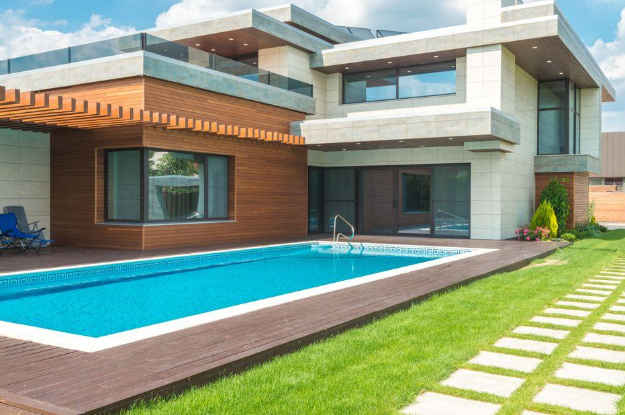
Adding a luxury pool sounds exciting until you realize how many decisions sit between a sketch and your first swim. If you live in a warm, design-conscious market like Tampa, the choices get even more layered. Climate, lot size, drainage, style, and maintenance all shape the final result. A great pool can elevate your home and daily routine. A rushed one can become a very expensive lesson in coping with regret.
Tampa Homes Need a Pool Plan That Matches the Climate
Warm weather makes pools more usable in Tampa than in many other markets, but that same climate creates special demands. Heat, humidity, frequent rain, and intense sun all affect materials, maintenance, and comfort.
That’s where thoughtful custom pool construction in Tampa becomes important. You’re not just choosing a shape. You’re choosing a build strategy that works with local conditions, home architecture, and the way you plan to use the space.
For example, lighter deck materials can stay cooler underfoot. Screen enclosures may make sense for some properties, especially if bugs tend to treat your backyard like a social club. Equipment placement also matters more than people expect. A badly positioned pump system can add noise right where you wanted peace.
Start With How You’ll Actually Use the Pool
Before you pick tile, lighting, or a tanning ledge you saw online at 1 a.m., pause and think about use. Are you building a pool for entertaining, exercise, family time, or a quiet backyard retreat? Each goal changes the layout.
A lap pool needs clean dimensions and unobstructed length. A family pool may need shallow entry points, wide steps, and durable finishes. If entertaining matters most, you’ll want integrated seating, a spa, and enough deck space so guests aren’t balancing drinks like circus performers.
This early planning stage is also where you should think beyond the waterline. Shade structures, outdoor kitchens, and lighting all affect how the space feels at night, during summer heat, and through different seasons.
Your Lot Will Make More Decisions Than You Expect
A lot of homeowners begin with a dream pool shape in mind. Then the property starts negotiating. Setbacks, easements, slope, soil conditions, and drainage requirements can all influence the design, and sometimes they completely rewrite it.
In Florida, stormwater management is not optional busywork. It’s a major design factor. A beautiful pool that sends water toward the house during heavy rain is not exactly the luxury experience you had in mind.
Tree placement matters too. Roots can affect construction, and overhanging branches create extra debris and more maintenance. Privacy also deserves real attention. A pool may look stunning on paper, but if it sits in full view of three neighbors’ second-story windows, the vibe changes quickly.
Design Should Match the House, Not Compete With It
The best luxury pools feel connected to the home rather than dropped into the yard like an unrelated side project. If your house has clean modern lines, a freeform tropical lagoon may feel visually off. If your property leans Mediterranean or coastal, the materials and water features should support that look.
Good design uses proportion, repetition, and material continuity. That might mean carrying stone elements from the home to the pool coping or choosing finishes that echo the exterior color palette. Even simple decisions, like aligning the pool with key interior sightlines, can make the entire property feel more polished.
A strong builder or designer will also think about how the pool looks from inside the house. You’ll probably see it through windows more often than you think, especially at night when lighting turns it into a focal point.
Don’t Underestimate the Importance of Decking and Circulation
When people imagine a new pool, they focus on the water. In reality, the surrounding deck often decides whether the space feels luxurious or cramped. You need room to move, lounge, entertain, and access features without awkward traffic flow.
A narrow perimeter might satisfy code, but it won’t feel generous. If you plan to add loungers, dining furniture, or a fire feature, measure for those uses early. Leave enough space for chairs to pull out and for people to walk by without performing side-step choreography.
Surface choice matters too. Decking should handle moisture, heat, and frequent use while still fitting the home’s aesthetic. Slip resistance is critical, especially if kids or older family members will use the area. Pretty and practical can exist together. They should, frankly, be introduced.
Equipment, Plumbing, and Finishes Affect Long-Term Satisfaction
Luxury isn’t only about appearance. It’s also about how well everything performs two years later. Pool equipment, plumbing layout, sanitation systems, and interior finishes all influence maintenance demands, utility costs, and reliability.
Variable-speed pumps can improve efficiency. Automation systems can simplify lighting, temperature, and water features from your phone. Saltwater systems appeal to many homeowners because they can feel gentler, though they still require proper maintenance and compatible materials.
Interior finishes deserve careful attention. Plaster, pebble, and aggregate options each have different textures, durability levels, and visual effects. The same goes for tile and coping. Some combinations look elegant on day one but show wear fast under heavy sun and chemical exposure. Short-term savings can quietly turn into long-term annoyance.
Budget for the Full Experience, Not Just the Shell
A common mistake is treating the pool itself as the entire budget. The shell is only part of the project. Permits, excavation complexity, decking, landscaping, fencing, lighting, drainage solutions, and upgrades can shift the final cost significantly.
It helps to separate must-haves from nice-to-haves. Maybe integrated spa seating and high-quality decking are essential, while a dramatic fire-and-water feature can wait. Smart planning keeps you from overspending on flashy extras and cutting corners on core elements that affect daily use.
Also ask about maintenance costs early. Chemical systems, heating, cleaning, resurfacing timelines, and equipment replacement all belong in the real budget picture. A pool should add enjoyment, not monthly financial jump scares.
Choose a Builder With Process, Not Just Photos
Beautiful portfolio images matter, but process matters more. You want a builder who can explain timelines, permitting, engineering, materials, communication steps, and how changes are handled during construction.
Ask specific questions:
– How do you evaluate drainage and site constraints?
– What finish options hold up best in this climate?
– Who handles design revisions and approvals?
– How often will I get progress updates?
– What happens if hidden site issues appear?
A solid answer sounds clear and practical, not vague and salesy. Good builders know luxury clients care about details, scheduling, and accountability. Great builders make a complex project feel organized rather than chaotic.