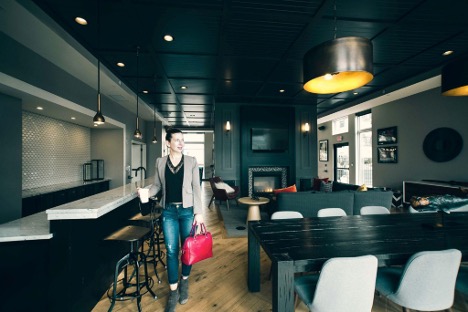
Luxury homes are no longer designed solely around formal living rooms, grand entrances, and impressive entertaining spaces. Increasingly, families are looking for interiors that support everyday life just as successfully as they accommodate special occasions. Dedicated spaces for learning, creativity, relaxation, and play have become an important part of modern residential design.
The most successful family homes balance style with practicality. Beautiful interiors can still encourage curiosity, support children’s development, and provide flexible spaces that evolve as family needs change. Rather than separating elegance from everyday living, thoughtful design allows both to exist comfortably under the same roof.
Color Can Give Family Spaces Their Own Personality
Children’s playrooms, reading corners, and creative spaces benefit from colors that encourage imagination while complementing the overall style of the home. Rich accent colors often help define different areas without requiring major structural changes.
Homeowners considering red wallpaper may find that carefully chosen patterns introduce warmth and energy into family rooms, homework spaces, or play areas. Used thoughtfully, red can create inviting feature walls that bring personality to a room while working alongside neutral furniture and natural materials.
Rather than overwhelming an entire space, bold colors are often most effective when balanced with softer finishes, generous natural light, and simple furnishings. This approach creates rooms that remain visually interesting as children grow while continuing to fit the home’s overall design.
Learning Spaces Work Best When They Feel Comfortable
Many families now include dedicated study areas within their homes instead of relying only on kitchen tables or shared living spaces. A comfortable desk, supportive seating, good lighting, and organized storage help children concentrate while making homework feel like part of a regular routine.
These learning areas do not need to resemble classrooms. Bookshelves, artwork, natural light, and carefully selected decorative details can make study spaces feel welcoming rather than overly formal. Flexible layouts also allow rooms to support reading, creative projects, music practice, or independent study as children develop new interests.
Keeping supplies organized reduces distractions and encourages children to take greater responsibility for their own learning environment. Small design decisions often make daily routines easier for both parents and children.
Play Can Encourage Creativity Beyond Toys
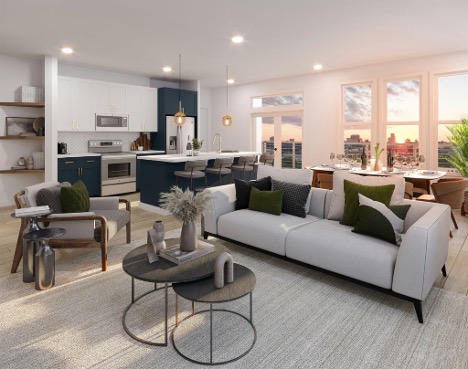
Playrooms have evolved considerably over recent years. Instead of filling every corner with toys, many families design spaces that encourage creativity, problem-solving, reading, and imaginative activities alongside traditional play.
Parents looking for educational resources may include fun worksheets for kids as part of a balanced learning and play environment. Short activities that combine games with reading, vocabulary, or creative thinking can complement books, puzzles, art supplies, and building materials without making the room feel like an extension of the classroom.
The strongest family spaces support a variety of activities. Children may move naturally between reading, drawing, imaginative play, and educational exercises depending on their interests and energy levels throughout the day.
Designing for flexibility helps rooms remain useful as children’s hobbies and abilities continue to change.
Shared Spaces Bring Families Together
Luxury homes increasingly include spaces designed for the whole family rather than separate rooms dedicated to individual activities. Open-plan living areas, breakfast rooms, family libraries, and media rooms encourage shared experiences throughout the day.
Comfort plays an important role in these environments. Durable fabrics, practical storage, flexible seating, and easy access to books or games allow spaces to support everyday family life without sacrificing visual appeal. Parents can supervise younger children while preparing meals, older siblings complete homework nearby, and everyone remains connected without needing separate rooms.
Outdoor living areas can also contribute to family routines. Gardens, covered patios, and outdoor dining spaces provide additional places for reading, games, conversations, and shared meals during warmer months.
The most memorable family homes are often those where beautiful design supports daily interaction instead of limiting it.
Timeless Design Adapts as Families Grow
Children grow quickly, and family needs rarely remain the same for long. Rooms that function perfectly for toddlers may require entirely different layouts once those children become teenagers. Designing with flexibility in mind allows homes to evolve without requiring major renovations every few years.
Neutral foundations combined with easily updated accessories, artwork, textiles, and decorative finishes make adapting rooms much simpler. Shelving, adjustable furniture, and multipurpose spaces also allow families to respond to changing interests while preserving the home’s overall design.
Luxury design is increasingly measured by how well a home supports everyday living rather than simply how impressive it appears. Beautiful interiors become even more valuable when they encourage learning, creativity, comfort, and meaningful family experiences.
The strongest homes are those that continue serving the people who live in them through every stage of family life. By combining thoughtful design with practical flexibility, luxury residences can provide inspiring spaces where children learn, play, and create memories while remaining elegant for years to come.