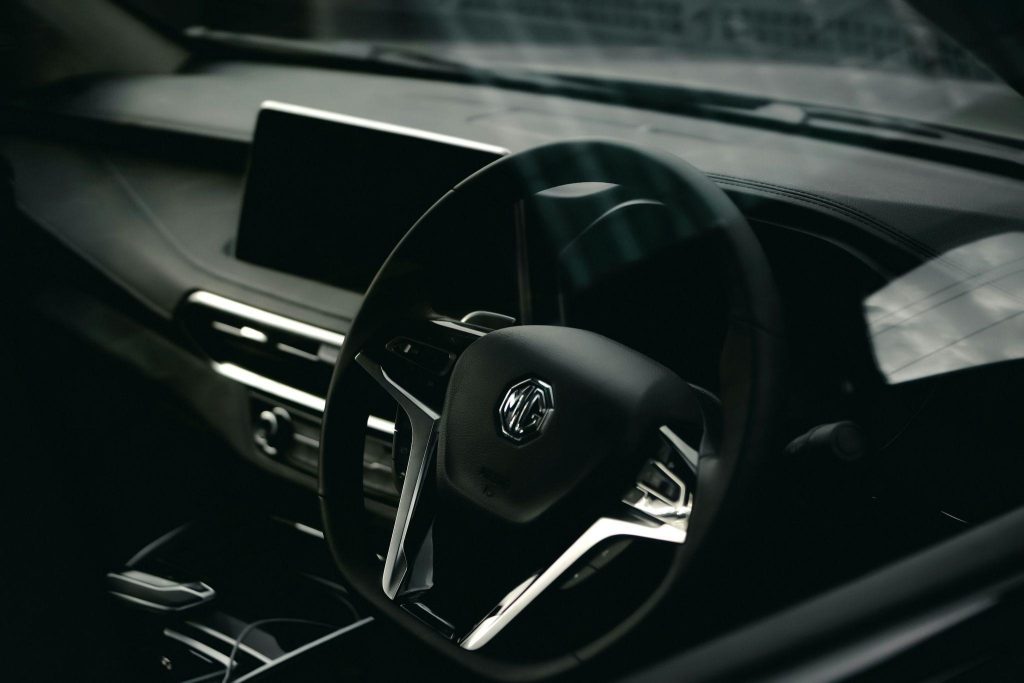
Connected vehicles have brought us all kinds of benefits. From remote start to vehicle tracking, from satellite radio to full self-driving, car software is getting more complex and more useful all the time.
At the same time, we don’t usually think about the cybersecurity threats to our cars. But they are very real, and becoming more of a threat every day.
Fortunately, there are ways to protect our cars just like we protect our computers and phones from cyber threats. We’ll examine the cybersecurity risks facing modern vehicles and show you how to protect yourself—from understanding the threats to finding the best VPN for comprehensive digital security.
Risks and vulnerabilities
So what can hackers do to your car? As it turns out, quite a lot.
Connected cars allow remote access. If a hacker gets into your car’s system, they may gain physical control of the vehicle. This isn’t science fiction; in 2015, hackers remotely turned off a Jeep while it was driving on the highway. Hackers could remotely unlock doors or, in the case of self-driving cars, potentially even have the car drive itself to a new location.
While these scenarios are concerning, a bigger risk is data theft and scams. For example, if your car is linked to your bank account, as is often the case with Teslas, hackers could compromise those details and commit financial fraud. Hacking into your car could also help them gain access to your home Wi-Fi network and all the devices that access it.
How hackers get access to your vehicle
What hackers are trying to access is the car’s electronic control unit, or ECU. Once they have this, they have a frightening amount of control over the vehicle. There are lots of ways hackers can do this, including:
Forced access
This happens by plugging an infected USB data stick into the car. That allows hackers to transfer viruses and malware into the car system. This method requires physical access to the car.
Extended key fob range
As convenient as key fobs are, they also present a weakness. Key fobs with more features provide hackers with more potential control points. For example, by hacking into the key fob and replicating its data transfer capabilities, they could start or stop the car, open windows and doors, or trigger alarms.
Smartphone access
Smart cars are often controlled through phone apps. That provides a link between car and phone that hackers can exploit. Since we store so much personal data on our phones, hackers can use the car as a gateway to your phone and everything it contains. Once in your phone, hackers can access banking apps, social media accounts, and personal information.
Telematics
Telematics are often used to gather and analyse data for vehicle fleets. This allows companies to better understand how their vehicles are used. But they can also give hackers a lot of information about vehicle locations, traffic patterns, and usage. Often, hackers can access this information by attacking the vehicles themselves, or the database that stores the information.
How to protect your car from hackers
Modern car manufacturers are well aware of the security risks of a connected car. They are always developing new methods to help make vehicles more secure. But there are some ways you, as a vehicle owner, can also help protect your car’s software:
Only use manufacturer-endorsed software
Third-party applications present a massive risk. While they can offer greater functionality for your car, they can easily become infected with malware. Only use reputable applications in your car, such as those provided by Google, Apple, or Tesla.
Keep software updated
Regular software updates are now a crucial part of car maintenance. Manufacturers issue software updates when they discover weaknesses in the security system. Setting your car to auto-install software updates means that you will always have the latest and safest version.
Control access
Regularly monitor the accounts and apps that can access your car’s system. Also, review what your car can access on your phone or home Wi-Fi network. Make sure to only share the permissions you really need, and remove any old devices as soon as possible.
Access the Internet via a VPN
A virtual private network, or VPN, masks a user’s IP address, location, and the data they transfer. Using a VPN on devices that connect to your car, like your cell phone, helps protect them if your car is compromised. If you’re sharing mobile data with your car, a VPN helps protect your vehicle and devices at the same time.
Staying safe online and on the road
Protecting your car from cyber attacks is just as important as protecting it from thieves and accidents. A connected car represents a risk to your personal data. It’s not a risk you can afford to ignore.
Fortunately, practising good cybersecurity for your car isn’t difficult. Regularly updating software, controlling access to the vehicle, and using a VPN on connected devices can help protect your broader digital ecosystem. Implement these suggestions, and you can stay connected and use your vehicle’s high-tech features without risk of a cyber attack or fraud.