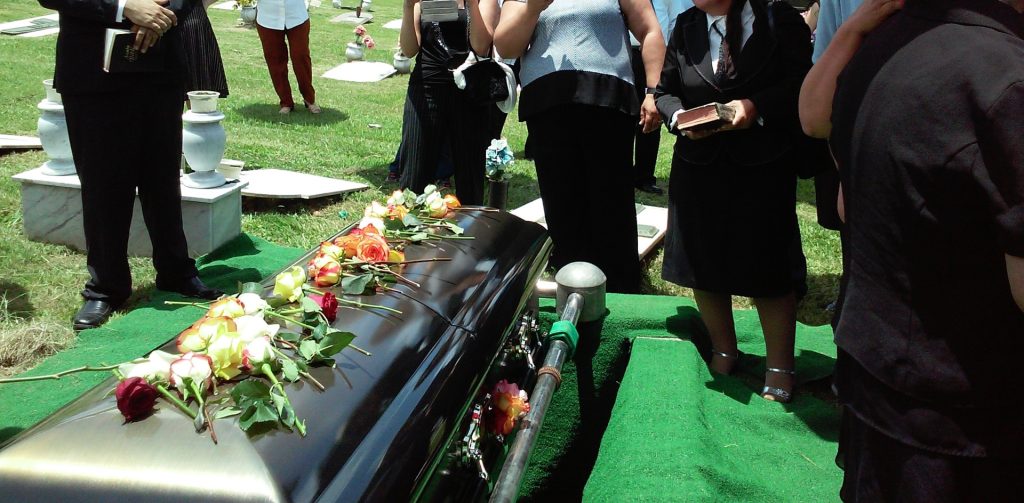
A celebration of life is a meaningful way to honor someone’s memory while focusing on the joy, love, stories, and legacy they leave behind. Unlike a traditional funeral, a celebration of life often allows more flexibility in tone, location, format, and personal details. It can be formal or casual, spiritual or nonreligious, quiet or lively. The best celebration of life ideas are the ones that feel true to the person being remembered.
Planning this type of service can feel emotional, especially when you are grieving. You may want the gathering to feel beautiful and personal, but you may not know where to begin. The good news is that you do not need to plan something elaborate to make it meaningful. Small, thoughtful details can help guests remember your loved one with warmth and gratitude.
Below are personalized celebration of life ideas to help you create a service that reflects your loved one’s personality, passions, values, and relationships.
Start With Their Personality and Story
Before choosing decorations, music, food, or activities, think about what made your loved one unique. A celebration of life should feel connected to their real life, not just a standard event format.
Ask yourself:
- What did they love doing?
- What places made them happiest?
- What music, colors, foods, or traditions did they enjoy?
- What values guided their life?
- What stories do people always tell about them?
- Were they funny, quiet, adventurous, artistic, faithful, generous, or practical?
- What would make people say, “This feels just like them”?
These answers can guide every part of the service. For example, someone who loved gardening might be honored with flowers, seed packets, and a garden gathering. Someone who loved sports might be remembered with team colors, game-day snacks, and photos from favorite events. Someone who enjoyed hosting family dinners might be celebrated with a shared meal and family recipes.
Choose a Meaningful Location
A celebration of life can take place almost anywhere that feels appropriate, comfortable, and accessible. While funeral homes and places of worship are common choices, many families choose locations that had personal meaning.
Possible locations include:
- A family home or backyard
- A park, garden, beach, lake, or mountain overlook
- A church, chapel, synagogue, mosque, temple, or spiritual center
- A community hall or event space
- A favorite restaurant or cafe
- A golf course, country club, library, museum, or arts center
- A veterans hall or civic organization
- A school, theater, or sports facility connected to their life
When selecting a location, consider guest count, parking, seating, weather, restrooms, sound equipment, accessibility, and whether food or music is allowed. If the place was special to your loved one, it can make the gathering feel even more personal.
Create a Photo and Memory Display
Photos help tell the story of a life in a way words sometimes cannot. A memory display gives guests a place to pause, reflect, smile, and share stories.
You might include:
- Framed photos from childhood, family life, friendships, work, travel, and hobbies
- A timeline of major life moments
- Favorite quotes, poems, prayers, or sayings
- Awards, uniforms, letters, tools, books, art, or keepsakes
- Items connected to hobbies, such as fishing gear, gardening gloves, sports memorabilia, recipe cards, or musical instruments
- A guest book or memory cards
A memory table does not have to be large. Even a few carefully chosen items can create a powerful tribute. You can also create themed tables, such as family, career, military service, hobbies, travel, or faith.
Share Stories, Readings, and Personal Tributes
Stories are often the heart of a celebration of life. They remind guests of your loved one’s humor, kindness, wisdom, and impact. Personal tributes can be planned in advance or shared more informally.
Ways to include stories:
- Ask several people to prepare short remarks
- Invite guests to share brief memories during an open mic portion
- Read letters from people who cannot attend
- Ask grandchildren, friends, coworkers, or neighbors to contribute memories
- Display written stories on a memory board
- Collect cards in a memory jar for the family to read later
To keep the service organized, you may want someone to serve as the host or officiant. This person can introduce speakers, guide transitions, and gently keep the gathering moving.
Use Music That Reflects Their Life
Music can set the tone for the entire service. It can be comforting, joyful, spiritual, nostalgic, or uplifting. Choose songs that reflect your loved one’s personality and the atmosphere you want to create.
Music ideas include:
- Their favorite songs or artists
- Hymns or spiritual music
- Songs from meaningful life moments
- Live music from a family member or friend
- Instrumental music during reflection
- A playlist for the reception or meal
- A final song that feels hopeful or memorable
You do not have to choose only traditional or somber music. If your loved one had a lively personality, a joyful song may be the perfect way to honor them.
Plan a Personalized Activity
A shared activity can give guests a way to participate in the remembrance. These activities can be simple, symbolic, or creative.
Consider these celebration of life ideas:
- Light candles in memory of your loved one
- Plant a tree, flowers, or a memorial garden
- Invite guests to write notes for a memory box
- Create a scrapbook with photos and messages
- Ask guests to bring a written memory
- Share a toast with their favorite drink
- Display a puzzle, quilt, or art project guests can help complete
- Hold a walk, hike, or charity event in their honor
- Invite guests to take home seed packets or small plants
- Create a playlist guests can add songs to
Avoid activities that may harm the environment, such as balloon releases. Flower petals, bubbles, seed packets, or candle lighting can be beautiful alternatives.
Serve Their Favorite Foods
Food brings people together and can make a celebration of life feel warm and familiar. Serving your loved one’s favorite foods is a simple way to personalize the gathering.
Food ideas include:
- A dessert table with their favorite treats
- A family recipe served at the reception
- A potluck where guests bring meaningful dishes
- A barbecue, brunch, tea, or coffee gathering
- Snacks connected to their hobbies or traditions
- A meal from their favorite restaurant
- Recipe cards guests can take home
You can add small signs explaining the meaning behind each dish. For example, “Grandma’s lemon cake” or “Dad’s favorite Sunday chili.” These details often spark conversation and shared memories.
Create a Video Tribute or Slideshow
A video tribute can be one of the most moving parts of the service. It allows guests to see your loved one across different seasons of life and remember moments they may have shared.
Tips for creating a tribute video:
- Include photos from different ages and milestones
- Mix formal portraits with candid moments
- Ask friends and family to submit photos
- Add captions only where needed
- Choose music that fits the tone
- Keep it around five to ten minutes if shown during the service
- Share a digital copy with family afterward
If you have video clips of your loved one laughing, speaking, singing, or spending time with family, consider including a short clip. Hearing their voice can be especially meaningful.
Offer Thoughtful Keepsakes
Keepsakes give guests something tangible to remember your loved one by. They do not need to be expensive. Personal and practical items are often the most cherished.
Keepsake ideas include:
- Memorial cards with a photo and quote
- Seed packets or small plants
- Bookmarks with a favorite poem or prayer
- Printed family recipes
- A small candle
- A photo magnet
- A ribbon in their favorite color
- A copy of a meaningful reading
- A charm or token connected to their hobby
- A donation card explaining a memorial gift made in their honor
Place keepsakes near the entrance or exit so guests can take one when they arrive or leave.
FAQ About Celebration of Life Ideas
What is a celebration of life?
A celebration of life is a gathering that honors someone who has passed away by focusing on their personality, memories, relationships, and legacy. It may be formal, casual, religious, or nonreligious.
How is a celebration of life different from a funeral?
A funeral is often more traditional and may include the body or casket. A celebration of life is usually more flexible and often focuses on storytelling, music, photos, and personal remembrance.
Can a celebration of life be held weeks or months later?
Yes. Many families hold a celebration of life weeks or months after the death, especially when relatives need time to travel or when the family wants more time to plan.
What should guests wear to a celebration of life?
It depends on the family’s wishes. Some celebrations are traditional, while others invite guests to wear bright colors, casual clothing, or a favorite color of the person being honored.
Should a celebration of life include religious elements?
It can, but it does not have to. You may include prayers, scripture, hymns, or clergy if faith was important to your loved one. You can also choose poems, readings, music, or personal reflections instead.
How long should a celebration of life last?
The formal service may last 30 minutes to an hour. If there is a meal, reception, or informal gathering afterward, the event may last longer.
Who should speak at a celebration of life?
Family members, close friends, coworkers, clergy, celebrants, or anyone with a meaningful memory may speak. It is helpful to choose speakers who can share personal, respectful, and concise tributes.
Make the Service Feel True to Them
The best celebration of life ideas are not about impressing guests or planning a perfect event. They are about creating a heartfelt tribute that reflects the person you loved. A meaningful service can be simple, elegant, joyful, spiritual, casual, creative, or deeply personal.
Choose the elements that feel most connected to your loved one’s life. Maybe that means playing their favorite songs, serving their favorite dessert, displaying photos, inviting stories, planting flowers, or gathering in a place they loved. Each thoughtful detail helps guests remember not only that the person died, but that they lived, loved, laughed, helped, taught, and mattered.
A celebration of life gives family and friends the chance to grieve together while also honoring a legacy. When planned with love and intention, it can become a comforting memory in itself.