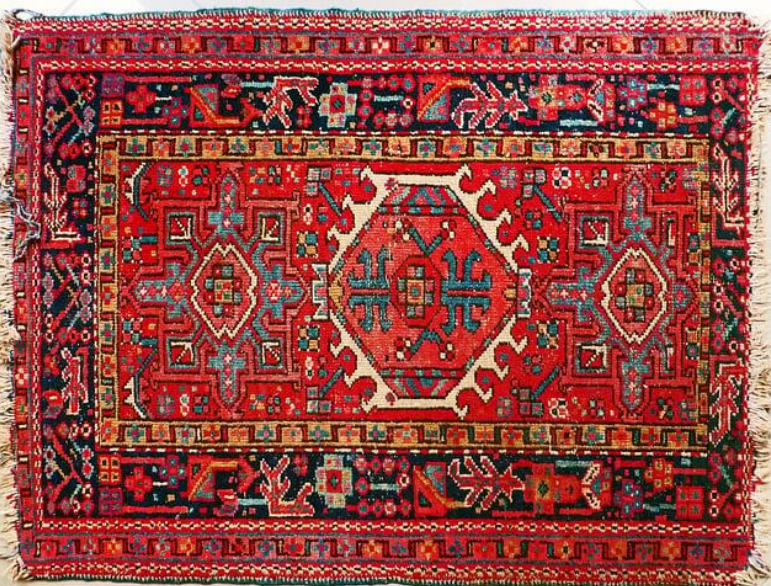
Antique rugs are pieces of history, art, and culture. Whether it is a Persian Tabriz or a Turkish Oushak, these textiles carry a legacy that modern machine-made carpets cannot replicate. Decades of foot traffic, sunlight, and environmental factors can leave even the most beautiful heirloom looking tired, faded, or frayed.
Restoring an antique rug is a delicate balance between preserving its historical integrity so that it stays functional. Here are the top tips for bringing your treasured textile back to life.
Assess the Damage Before Acting
Before you attempt any cleaning or restoration, you need to conduct a thorough inspection. Lay the rug flat in a well-lit room and examine it from edge to edge. Look for:
- Dry rot
- Moth damage
- Fading
- Bleeding dyes
- Structural weakness in the foundation
Flip the rug over: the back of the rug tells the real story of its condition. If you can see the knotting clearly and the foundation is intact, the rug is generally strong. If the backing is brittle or crumbling when touched, the textile is fragile and requires immediate stabilization.
Weaving New Life into Worn Areas
Even with perfect care, high-traffic areas and edges will wear down. When the pile has worn away to the foundation, it is time to consider maintenance. Proper repair restores the rug’s appearance and prevents the hole from spreading and causing irreversible structural failure. Experienced restorers can perform “reweaving” or “re-piling,” a process where new wool is knotted into the damaged area to match the surrounding texture and color.
For tears and fraying edges, binding can stop the rug from unraveling further. A skilled artisan can “recap” the edges by wrapping them in wool to match the original.
Addressing Fading and Color Restoration
Sunlight is notorious for bleaching the rich colors of antique rugs. Some fading adds a charming patina that collectors adore, but severe sun damage can leave a rug looking washed out and unbalanced. Many purists argue that fading is part of the history and should be left alone.
Professional restorers use color washing or stain painting techniques. These methods involve applying diluted dyes to the faded areas to blend them with the original colors. This process requires an expert eye, as the dyes must be matched perfectly to avoid a painted look.
Long-Term Preservation Strategies
Once your rug has been cleaned and restored, your focus should shift to preservation to avoid future damage. Avoid putting an antique rug in direct sunlight. Use sheer curtains or UV-protective window film to filter harsh rays. Rotate the rug every six months so that wear and fading occur evenly across the surface.
Excessive humidity can cause mold and mildew, while overly dry air can make wool brittle. If you must store the rug, roll it around an acid-free tube, wrap it in breathable cotton or muslin, and store it off the ground in a dry, cool place. With the right care, your antique rug can survive for another century.
A Legacy Worth Preserving
Restoring an antique rug is about honoring the craftsmanship and stabilizing the damage. The textile can continue to be enjoyed for years to come.
Every action you take is an act of preservation. With patience, proper technique, and respect for the original materials, your antique rug can remain a stunning centerpiece and a tangible link to the past.