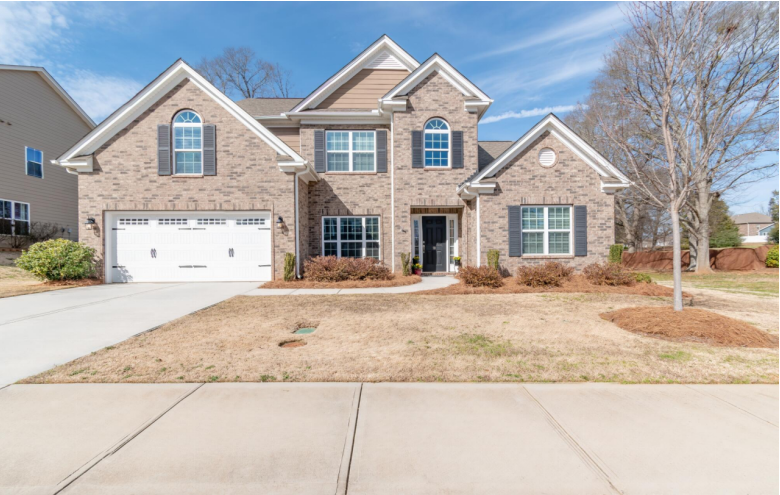
Home prices in many areas are making it harder for average buyers to afford a home. High interest rates, low supply, and rising building costs are pushing people to look beyond standard single-family houses.
As costs go up, alternative options are becoming more common. These smart choices cost less but still offer good amenities and quality of life. Knowing how they work helps buyers find valuable property in popular markets.
Shifting Housing Trends in Top Markets
Property values in popular areas have shot up over the past decade. Many buyers can no longer afford traditional neighborhoods. Builders just aren’t keeping up with demand. So buyers are looking at regional markets where land costs less and newer homes offer better value.
Florida had nearly 5.9 million single-family homes in 2024. Even with that many houses, prices are still high in big cities. Buyers are looking for non’traditional options to keep costs down without giving up long-term stability.
Making land easier and cheaper to buy is a big goal for planners and buyers alike. Alternative home types let buyers avoid the high prices in city centers.
Exploring Smart Options in Central Florida
Central Florida is a great spot for people who want affordable living close to big cities. Buyers in this area weigh the benefits of location against what they can afford. Many are turning to alternative housing types.
Local communities have nice shared spaces and floor plans that work for families of all sizes. Individuals looking for great deals can find Marion County mobile homes for sale to secure spacious living without the hefty price tag of standard builds. These communities often have shared features that make daily life better and keep property taxes low.
Buyers pay less upfront, so they have more cash to save or improve their home. These communities draw in families, retirees, and first-time buyers because they’re affordable.
The Role of Factory Built Homes
Factory-built homes cost less than traditional construction. Precise manufacturing cuts waste and avoids weather delays that raise budgets. These homes meet strict federal building codes and offer quality at a lower price.
There is a lot of room for growth in this sector. A housing report found that only 102,700 manufactured homes were built in 2025. That is much lower than the 300,000 built each year on average from the 1970s through the 1990s. Buyers and planners are paying attention as demand for cheaper homes rises.
As building methods improve, buyers get modern features like energy-efficient insulation and open floor plans. Faster construction lets developers deliver homes to buyers much sooner than usual.
Understanding Modern Financing Obstacles
Getting a loan for a factory-built home works differently than a regular mortgage. The type of loan you get affects whether you can buy one. A federal energy guide says most buyers get personal property loans from a few specialized lenders.
That means higher interest rates and more rejections than standard mortgages. If banks offered regular home loans for these properties, more people could afford them.
Lenders are starting to offer new loans because more buyers are interested. Online guides help buyers compare loan terms and find competitive rates.
Before you decide on a loan, compare interest rates, down payments, and terms. Even a small difference in costs can change your monthly payment a lot.
Raising your credit score and paying down debt can help you qualify. Some lenders have special loans for manufactured or factory-built homes. Taking time to shop around helps you find a loan that fits your budget and your long-term plans.
Strategic Choices for Budget Conscious Buyers
In competitive housing markets, buyers need to check several features before making an offer. Focusing on long-term stability helps families choose homes that work for their current and future budgets.
Looking at these factors helps buyers figure out their total monthly housing costs. Good planning makes a lower price turn into affordable monthly costs over many years.
Budget-conscious buyers should factor in maintenance, insurance, taxes, and utilities before choosing a home. A house with lower monthly costs can be a better deal than one with a low price but high bills.
Checking the roof, heating, and plumbing can help you avoid surprise repair costs. Comparing loans and understanding the full cost of ownership gives you a clearer picture of what you can really afford. Planning helps families choose a home that stays affordable for years.
Long-Term Value in Growing Regions
In high-demand markets, home values depend on a stable location and local growth. Smaller markets with good infrastructure keep attracting people looking for affordable homes.
Key indicators that signal ongoing stability in low-cost housing sectors include:
- Consistent population inflow
- Local government investments
- Growing job markets
- Strong community management teams
Buyers who buy affordable homes in growing areas build equity over time. Good planning and local investments help protect property values for long-term owners.
Rethinking Modern Neighborhood Development
Good community design helps keep housing nice and affordable for families. New neighborhoods make the most of their space and include parks and places to relax.
Shared maintenance costs keep expenses low for homeowners and protect property values. Planners are starting to see the benefits of building denser, so local rules are changing to allow more housing types.
These changes create welcoming neighborhoods that give people both privacy and shared spaces. Smart planning helps keep a good quality of life within reach for everyday families.
Affordable housing is becoming more important in top housing markets across the country. Buyers who look into modern factory-built homes and other land options can find quality places without spending too much.
Taking time to learn about financing, community setups, and local growth trends puts buyers in a better position. As the market shifts, different types of housing will keep helping people afford homes in great locations.
Choosing Affordable Housing With Confidence
Affordable housing is becoming a smart option for buyers in pricey markets. Looking into different types of homes, understanding your loan choices, and thinking about long-term costs can help you buy a home in a great location.
With careful research and planning, you can find a home that fits your budget and still offers comfort and future stability.
Looking for more tips and ideas? We’ve got you covered. Check out some of our other posts now.