Sidewalks are meant to promote pedestrian safety. Having a clearly defined path that is separate from vehicle traffic allows people to move from one place to another with less risk. A smooth, concrete sidewalk also makes walking paths more accessible to people with mobility devices, and children tend to love learning how to ride their new bikes on car-free pathways.
The majority of sidewalk installations create smooth, flawless surfaces that are safe and inviting to walk on. But, a poor installation could leave cracks and uneven seams that cause people to get hurt. Over time, a sidewalk can also become uneven due to tree roots growing beneath the ground’s surface, water damage and other issues.
Although sidewalk damage is unsightly, unevenness causes more than just harm to the property’s aesthetics. Uneven sidewalks carry hidden dangers that often lead to serious personal injuries for which property owners can be held liable. Taking a closer look at how uneven sidewalks are a major hazard helps everyone stay safer as they move through public areas.
Consider the Issues the Slightest Elevation Changes Cause
Sidewalk installers typically aim to create gradual surface changes to accommodate hills and other sloped areas that naturally occur on outdoor properties. But, a sidewalk that begins to shift out of its place can lead to elevation changes that aren’t easy for the average walker or wheelchair user to adjust to as they move.
At some point, most people will trip slightly on an uneven surface. But, it’s common to sustain a harder fall in certain circumstances. For instance, the elevation change could cause you to lose your balance enough to fall backward and hit your head.
Raised slabs can also be hard to notice once the sun goes down. Walking paths near parking lots without adequate lighting are common places where people sustain serious slip-and-fall injuries. On top of making sure that the sidewalk is smooth and even, it’s important to install and maintain good lighting in areas where pedestrians commonly walk at night.
Uneven points in the sidewalk are also areas where debris, rainwater and ice tend to collect. Even if someone manages to notice the changes in elevation, it might be impossible to avoid a hazard that accumulates in a crack or depression in the concrete. Since unevenness in sidewalks tends to worsen over time, it’s important to fix minor divots and cracks before they grow into major nuisances.
Arranging for a sidewalk repair could prevent many injuries, since even the smallest elevation change can create a hazardous situation. Since sidewalks are often designed using slabs, a repair or replacement is often far simpler and less costly than covering someone’s medical needs after a serious injury.
Understand How Uneven Sidewalks Can Lead to Severe Injuries
Broken bones, concussions and lacerations are just a few of the most common types of injuries that people experience from poorly maintained sidewalks. As a pedestrian, you might suddenly discover yourself falling before you have the chance to take protective actions such as grabbing a handrail.
People who are using mobility devices are also at risk of experiencing an injury. The rubber tips or wheels on a walker might get stuck on a ledge that is created by unevenness in a sidewalk. This could cause the person using the device to be brought to a halt and lose their balance suddenly. Wheelchairs, strollers and other rolling devices can also tip over and cause the user to fall on the concrete.
When a person lacks mobility, they are especially at risk of sustaining a severe injury. For instance, a baby won’t be able to protect their head from harm if the stroller they are riding in alls over. The same is also true regarding a young child who might suddenly fall and lack the reflexes they need to brace for the impact.
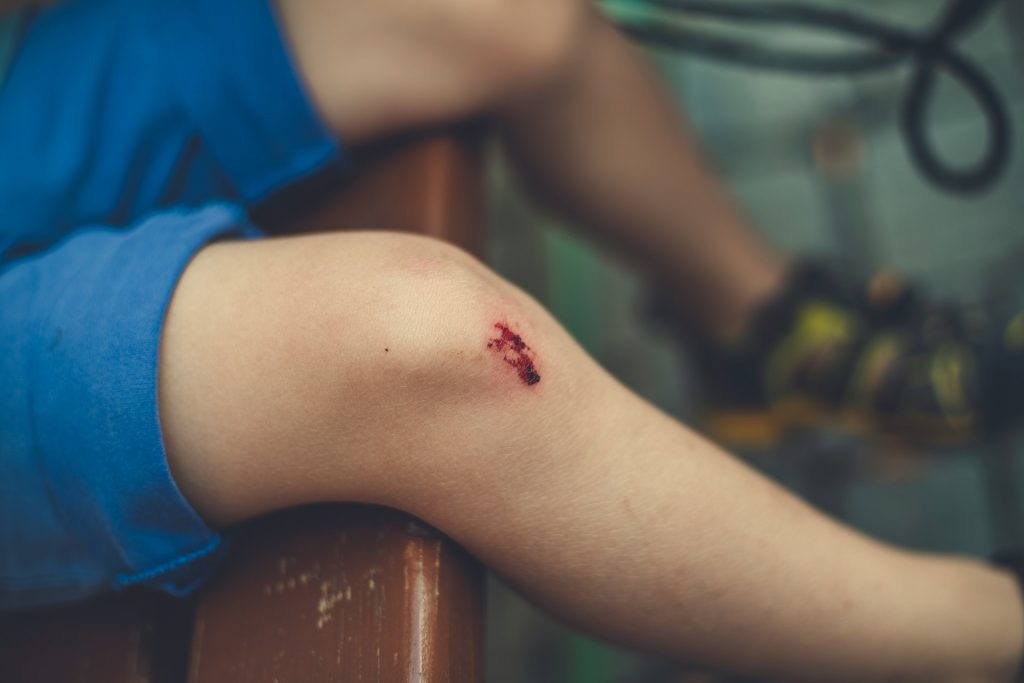
Head injuries are common among people who fall on uneven sidewalks, but you could sustain cuts and abrasions that require emergency care. Facial injuries, such as a knocked-out tooth, are also possible when you fall face-first onto the hard ground.
Know Who Is Responsible for Sidewalk Maintenance
Identifying the person responsible for a sidewalk can sometimes be challenging. Depending on where the incident occurred, a sidewalk might be the responsibility of a residential homeowner, city or business. For instance, you could reasonably expect most apartment complexes to be responsible for maintaining a sidewalk.
But, you might not be sure of who is responsible for sidewalk maintenance when the walking path exists in front of a residential home. Here, you might need to do some work to figure out if an HOA, homeowner or the city maintenance services are responsible for ignoring the problem.
Talking to a knowledgeable personal injury lawyer that handles premises liability claims can often help you know who is responsible for sidewalk maintenance when you need to file an injury claim.
In a best-case scenario, a small fall on an uneven sidewalk can lead to a bruised ego. However, the damage done by these slip-and-fall injuries is usually more than a bit of embarrassment. Major head injuries are common when people fall without enough warning to brace themselves against the impact. Small children are also known to get hurt when they slam their delicate skin against the cracks of a sidewalk.
Property owners should do their best to quickly address uneven walking surfaces, since even a slight elevation change could cause someone to trip and fall. Plus, cracks and divots that develop in uneven sidewalks can harbor slippery ice and other substances that increase the risk of injuries.
If you or someone you love gets injured by an uneven sidewalk, it’s important to take note of your surroundings. Seeking medical attention for your injuries and reporting the sidewalk hazards can help you begin the process of filing a claim. You can also feel better knowing that you’ve done your part to prevent someone else from getting hurt on a dangerous sidewalk that needs prompt attention.