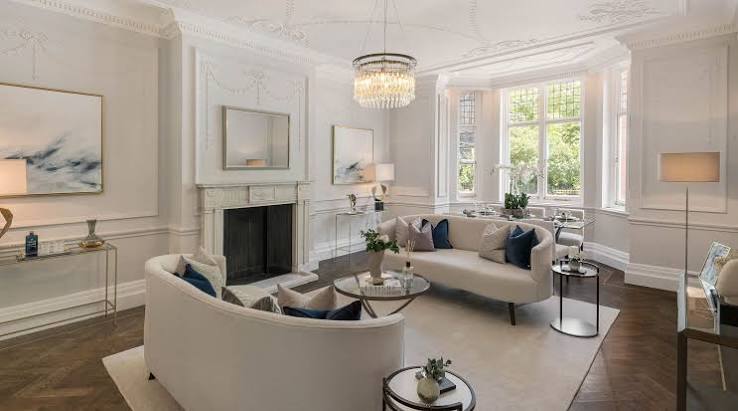
Walk through two Victorian or Edwardian houses on the same street and the difference between one that feels genuinely expensive and one that simply looks tidy usually comes down to details most visitors couldn’t name outright. It’s rarely the size of the kitchen island or the brand of the appliances. It’s the small, consistent choices, proportion, materials, and finish, that add up to a sense of quality the moment someone walks through the door.
Proportion Is Noticed Before Anything Else
Before a visitor registers a single fixture or finish, they register proportion. Ceiling height relative to room width, the size of a window relative to the wall it sits in, the depth of skirting relative to door height, these ratios were carefully considered when period homes were originally built, and they’re often the first thing lost during a careless renovation. Firms like Todi & Boys, who work specifically within London’s period housing stock, tend to emphasise this point with clients early on, since a poorly proportioned replacement window or an oversized modern door can throw off the visual balance of an entire room, no matter how expensive the materials used.
Hardware Says More Than People Expect
Door handles, window fittings, and cabinet hardware are small enough that most homeowners treat them as an afterthought, yet they’re handled more than almost anything else in a house. Cheap, lightweight hardware gives itself away within weeks, developing a hollow feel or a dull finish that no amount of styling elsewhere can disguise. Solid brass or bronze ironmongery, by contrast, ages well and often improves in appearance over time, which is part of why it remains standard in higher-end period renovations despite the higher upfront cost.
Paint Finish Over Paint Colour
Colour choice gets most of the attention in design conversations, but finish quality is what actually reads as expensive up close. A flat, uneven coat on skirting or panelling looks cheap regardless of how well the colour was chosen, while a smooth, properly prepared finish elevates even a modest colour palette. This is particularly true on joinery and woodwork, where the base material and preparation matter more than the topcoat itself, since poor preparation shows through almost any paint finish within a year or two.
Natural Materials Age Better Than Synthetic Alternatives
Synthetic materials, engineered stone, laminate, and plastic-based finishes, often look convincing when new, but they tend to age in ways that read as cheap rather than characterful. Natural materials like timber, stone, and brass develop a patina over time that most people associate with quality and permanence rather than wear. This is one reason timber joinery continues to hold its appeal in period properties even as manufactured alternatives have become cheaper and more widely available, the ageing process itself is part of what makes it feel valuable.
Consistency Across The House Matters More Than Any Single Room
A house with one beautifully finished room and several neglected ones rarely feels expensive overall, it feels unfinished. Buyers and visitors alike register inconsistency quickly, and a single showpiece space can’t compensate for skirting that doesn’t match, mismatched door furniture, or a mix of original and poorly replaced windows elsewhere in the house. Spreading a renovation budget to achieve consistency across every visible detail, rather than concentrating it in one impressive space, tends to produce a far stronger overall impression.
Light And Its Framing
How light enters a room affects perceived quality almost as much as anything physically installed in it. Deep window reveals, slim glazing bars that don’t obstruct the view, and well-fitted curtains or shutters all shape how natural light moves through a period home. Windows with thick, modern frames tend to block more light and cast harder shadows, which subtly changes how a room feels even when the rest of the interior is well finished. Getting this detail right is often invisible to anyone looking at individual elements, but it’s immediately felt as a general sense of quality when standing in the room.
The Cumulative Effect
None of these details alone would convince anyone a house is expensive. It’s the accumulation, correct proportions, quality hardware, proper finishes, natural materials, and well-framed light, that together create an impression far greater than the sum of its parts. Homeowners renovating period properties on a budget would do well to prioritise getting these fundamentals right across the whole house before spending heavily on any single statement feature.