If you’re planning a house move and want something stronger than standard cardboard boxes, Gaylord boxes might be your secret weapon. Originally designed for bulk shipping in warehouses and manufacturing, these heavy-duty corrugated containers are now a smart, cost-effective option for home movers who need durability and volume.
This guide walks you through what Gaylord boxes are, when to use them, how to pack them properly, and how to avoid common mistakes.
What Are Gaylord Boxes?
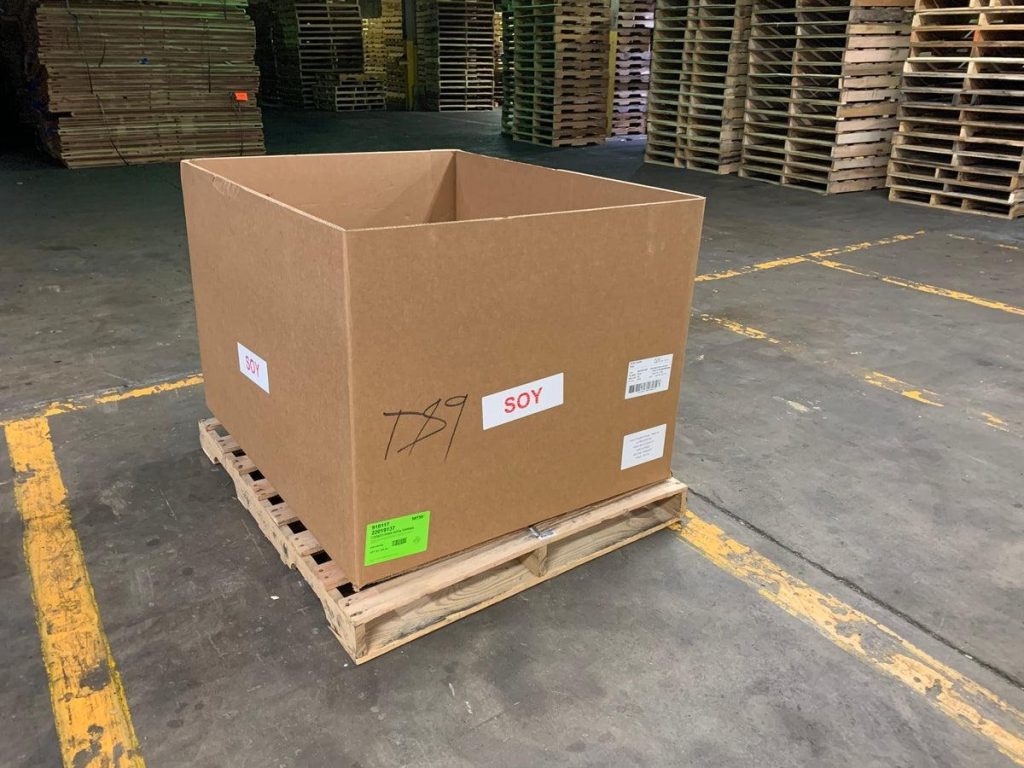
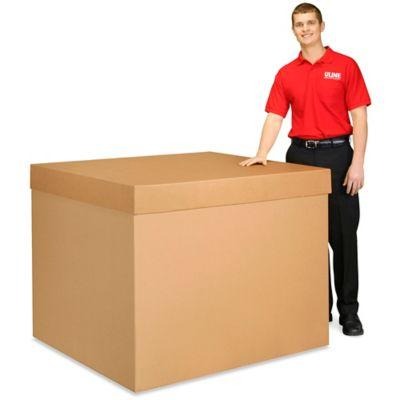
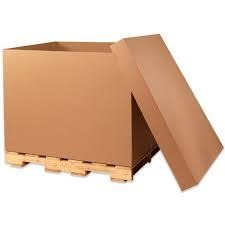
A Gaylord box is a large, heavy-duty corrugated cardboard container, typically placed on a pallet and used for bulk shipping. They’re often:
- Double-wall or triple-wall corrugated
- 3–5 feet tall
- Designed to hold 500kg+ (depending on grade)
- Used in factories, recycling plants, and warehouses
Unlike small moving boxes, Gaylords are built for volume and weight, making them ideal for certain parts of a house move.
Why Use Gaylord Boxes for Moving?
1. Massive Capacity
Perfect for:
- Garage clear-outs
- Loft storage
- Bulk clothing
- Bedding and linens
- Non-fragile household items
Instead of 15 small boxes, you might use just 2–3 Gaylords.
2. Extremely Durable
Triple-wall Gaylord boxes are far stronger than standard removal boxes, meaning:
- Less risk of collapse
- Better stacking (if empty or lightly loaded)
- Ideal for heavier items like books
3. Cost-Effective (Especially Used)
Many suppliers sell used or surplus Gaylord boxes at a fraction of the cost of new moving boxes.
If you’re in industrial or B2B sectors (like pallet resellers or surplus distributors), you may already have access to suppliers who stock them.
When Should You Use Gaylord Boxes?
Gaylord boxes are ideal for:
✔ Garage contents
✔ Tools and hardware (in smaller sub-boxes inside)
✔ Seasonal decorations
✔ Clothing in bin liners
✔ Soft furnishings
✔ Kitchen overflow (non-fragile)
✔ Bulk pantry goods
Avoid using them for:
✖ Fragile glassware
✖ Fine china
✖ TVs or electronics (unless properly protected inside smaller boxes)
✖ Single-person lifting
How to Choose the Right Gaylord Box
4
1. Wall Thickness
- Double-wall: Good for lighter bulk items
- Triple-wall: Best for heavy books, tools, dense items
2. Condition
If buying used:
- Check for water damage
- Check for crushed corners
- Ensure bottom seams are intact
3. Size
Common sizes:
- 48” x 40” x 36”
- 48” x 40” x 48”
For home moves, shorter versions (around 36” tall) are easier to manage.
Step-by-Step: How to Pack a Gaylord Box for Moving
Step 1: Reinforce the Base
Even if it looks solid:
- Add heavy-duty packing tape along bottom seams
- Place a flat cardboard sheet inside the base
Step 2: Line the Interior
Use:
- Thick bin liners
- Plastic sheeting
This protects against moisture and dust.
Step 3: Pack Strategically
Heavy items at the bottom
Books, tools, dense items
Lighter items on top
Clothing, pillows, soft goods
Avoid leaving empty gaps. Fill space with:
- Towels
- Bubble wrap
- Scrunched paper
Step 4: Don’t Overload
Even if rated for 500kg:
- Think about how it will be moved
- If no forklift is involved, keep weight manageable
If you can’t safely tilt or shift it with two strong people, it’s too heavy.
How to Move Gaylord Boxes
This is where planning matters.
Option 1: Pallet + Tail Lift Van
Best option:
- Keep box on pallet
- Use a tail lift removal van
- Use pallet truck
Option 2: Break Down for Loading
If no forklift:
- Pack but keep contents light
- Load by sliding into van
- Avoid stacking other heavy items on top
Option 3: Use as Static Containers
Many people:
- Load Gaylords in garage
- Move small boxes into van
- Use Gaylord as bulk consolidation container at destination
Smart Packing Hacks
Use Smaller Boxes Inside
Place standard moving boxes inside the Gaylord for:
- Organisation
- Easier unloading
- Protection
Create “Zones”
Label sides clearly:
- KITCHEN BULK
- GARAGE TOOLS
- MASTER BEDROOM SOFT ITEMS
Shrink Wrap the Exterior
Industrial stretch wrap:
- Adds structural integrity
- Prevents bulging
- Protects corners
Pros and Cons of Using Gaylord Boxes for Moving
Pros
✔ Extremely strong
✔ High volume
✔ Fewer total boxes
✔ Good for storage after move
✔ Often cheap if sourced used
Cons
✖ Hard to lift when full
✖ Not ideal for fragile goods
✖ Requires more planning
✖ Not suited to stair-heavy properties
If you’re in a London terrace with narrow staircases, standard moving boxes may be easier.
After the Move: What to Do With Them
You can:
- Reuse for loft storage
- Sell to recyclers
- Offer to local businesses
- Use for garage organisation
If you operate in industrial resale or recycling (for example, pallet or surplus materials markets), Gaylords can also be flipped for profit after use.
Final Checklist Before You Commit
- Do you have forklift or tail lift access?
- Are you moving heavy bulk items?
- Is ground-floor access available?
- Do you need strong temporary storage post-move?
If yes to most of the above, Gaylord boxes are a powerful alternative to traditional moving boxes.
Quick Summary
- Gaylord boxes are heavy-duty pallet-sized corrugated containers
- Best for bulk, non-fragile items
- Reinforce the base before packing
- Keep weight manageable unless using pallet equipment
- Ideal for garages, lofts, and soft goods
- Can be reused or resold after the move
If you’d like, I can also create:
- A cost comparison (Gaylord vs traditional moving boxes in the UK)
- A supplier list for the UK
- An SEO-optimised version for a resale or packaging business
- Or a version tailored for B2B surplus audiences
Just tell me the angle you want.
