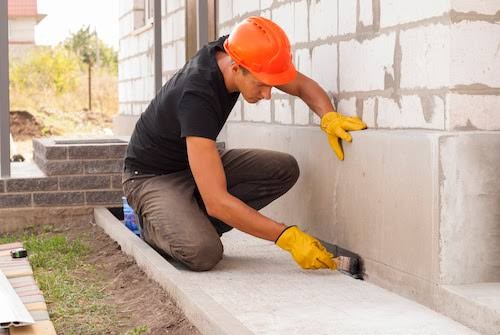
Not always, and a lot of the time, not at all. A foundation repair sits right up there with a new roof on the list of priciest things a house can need, and when you sell you won’t necessarily see every dollar of it come back. What you really need is a straight read on what’s happening under the floor, ideally from a structural engineer instead of a neighbor squinting at a crack, since buyers and inspectors (and lenders especially) all get a little jumpy when the word “foundation” comes up. Some owners go ahead with the repair and list the house with the engineer’s letter in a folder on the kitchen counter, while a lot of others sell as-is to a cash buyer who figures the repair into the price and handles it after closing.
Why Raleigh Houses Shift
A good many houses around Raleigh sit on crawlspaces or slabs over clay, and clay moves around more than most people realize, swelling up when it’s soaked after a week of rain and pulling back again during a long dry August. If the gutters dump water right at one corner of the house or the yard happens to pitch toward the foundation rather than away from it, that back-and-forth usually gets worse as the years go by, and after a few decades (plus a couple of hurricanes’ worth of rain and maybe an oak whose roots have wandered under the corner) things start to shift.
Most folks notice it slowly, like a bedroom door that closed fine back in March but won’t latch by August, or a crack climbing the brick by the garage in that stair-step pattern, or a kitchen floor with enough slope that a dropped marble rolls to the same corner every single time.
A Situation That Comes Up Often
Take a 1970s split-level up in north Raleigh where the owner has been watching that brick crack for three or four years and has patched the drywall above the hall closet twice, figuring it’s just the house settling like houses do. Then a buyer’s inspector writes up “evidence of structural movement, recommend evaluation by a licensed structural engineer,” and within a day the buyer is asking for a credit the size of a new car, or asking out.
That’s the moment most sellers realize the question isn’t really whether the house has a problem. It’s who’s going to pay to find out how big the problem is.
What Buyers and Lenders Look For
North Carolina’s disclosure form asks straight out about problems with the foundation, the slab and the house’s other structural parts. “No Representation” is an option on a lot of it, sure, but it isn’t a hall pass for hiding a crack you’ve been spackling over for years.
Lenders get involved too. When an appraiser notes big cracks or floors that sag, the lender may want somebody qualified to look at it before it’ll fund the loan, and that alone can push a closing back by weeks. Even when the damage turns out to be minor, the process of proving it’s minor slows everything down.
Your Options
Get an engineer’s report first
An engineer can tell you whether the movement happened years ago and stopped or is still going on, and what fixing it would actually take, and that report comes in handy whichever way you end up going, because buyers get real facts in front of them instead of one scary sentence lifted from an inspection summary.
Repair it, then list
If the rest of the house is in good shape and you’re after financed buyers, a permitted repair with a written warranty can win them back, especially if the warranty transfers to the next owner. Just go in knowing the bigger jobs can run well into five figures.
Disclose it and list as-is
You’ll hear from investors and from buyers who don’t mind a project, though you should expect hard bargaining and a deal or two that falls apart after inspection.
Sell to a cash buyer
With a cash buyer there’s no lender in the background asking for repairs and no appraisal to sweat over, and you won’t have an inspection contingency hanging over the contract either, since the buyer was already planning on fixing the foundation anyway.
What Waiting Costs You
Foundation movement rarely heals itself, and the cracks usually creep a little wider each season while the doors go on sticking. Whatever water’s getting in now will keep getting in. Meanwhile there’s a mortgage, an insurance premium and a tax bill on a house you’d honestly like to be done with, and each month hands the next buyer one more thing to knock off their offer.
Small Fixes Worth Doing Either Way
Selling as-is doesn’t mean you can’t do a couple of cheap things to keep the problem from growing while you figure out your next move. Getting the gutters cleaned out and sticking extensions on the downspouts, so the roof water lands a few feet out in the yard instead of soaking the soil right at the foundation, costs next to nothing. Same goes for poking your head into the crawlspace after a hard rain to see if water’s pooling down there. You’re not fixing the foundation with any of this, and you’re not hiding anything from a buyer either; you’re just cutting down the moisture that makes clay soil heave and shrink, which, for what it’s worth, is usually the first thing an engineer tells people to do.
Why Raleigh Owners Reach Out to Easy Sale HomeBuyers
Easy Sale HomeBuyers is a family business out of Raleigh that’s been buying houses around the Triangle since 2014, with an A+ rating from the Better Business Bureau to show for it. The homepage at https://www.easysalehomebuyers.com/ says it’ll buy a house in whatever condition it’s in, without commissions or fees, and over on the process page it says the company pays the closing costs too.
For owners trying to sell a damaged house as-is in Raleigh, a shifting foundation included, that means the engineer, the piers and the repair permits all become the buyer’s job, and you’re not stuck paying for a fix you’ll never get to live with.
How the Sale Works
Call 919-887-8452 or use the website form, and pass along whatever you know about the foundation, along with any engineer’s report or repair quote you already have. The company says it usually makes a cash offer within 24 hours, and you’re under no obligation to say yes. If you do, closing can happen in as little as seven days or on a date you choose.
Selling a House With Foundation Trouble Anywhere Around Raleigh
Easy Sale HomeBuyers buys in Raleigh, Cary, Garner, Knightdale and Wake Forest, out through Johnston and Franklin counties, and over into Durham County as well.
Questions Owners Ask About Foundations and Selling
Do I have to fix the foundation before I sell?
No, but you have to disclose what you know, and a financed buyer’s lender may insist on repairs before it’ll fund.
Who do I call first, a foundation company or an engineer?
Usually an independent structural engineer, since they’re not the ones selling you the repair.
Is a cracked foundation going to kill my sale?
Usually not, though it thins out the financed buyers and gives the rest plenty of room to haggle.
Does a repair warranty help when I sell?
It can, especially one that transfers to the next owner, so ask about that before you sign with anybody.
How much less will I get if I sell as-is?
That depends on the repair and the house, but you also skip paying for the repair and for the months it takes.
Does Easy Sale HomeBuyers really buy houses with foundation damage?
It does; its damaged-house page lists foundation issues among the problems it buys houses with.
Should I tell buyers about foundation work I’ve already had done?
Yes, and share the paperwork, since a documented repair with a warranty can actually reassure a buyer rather than scare them.
Can I list the house while I’m waiting on the engineer’s report?
You can, but buyers are going to ask about it, so a lot of owners wait until the report is in hand.
Do sticking doors always mean foundation trouble?
Not always, since humidity swells doors too, but if it shows up alongside new cracks, it’s worth having an engineer take a look.
Ready to Sell? Let’s Talk.
If your house has foundation trouble anywhere around Raleigh and you’d rather not take on the repair, call Easy Sale HomeBuyers at 919-887-8452 for a free, no-obligation cash offer.
Find Easy Sale HomeBuyers on Google Maps
Find Easy Sale HomeBuyers on Google Maps
Embed code for publishing (paste into the CMS’s HTML/custom-code block):
<iframe src=”https://www.google.com/maps?q=Easy+Sale+HomeBuyers,+13200+Strickland+Rd+%23114-292,+Raleigh,+NC+27613&output=embed” width=”600″ height=”450″ style=”border:0;” allowfullscreen=”” loading=”lazy” referrerpolicy=”no-referrer-when-downgrade”></iframe>