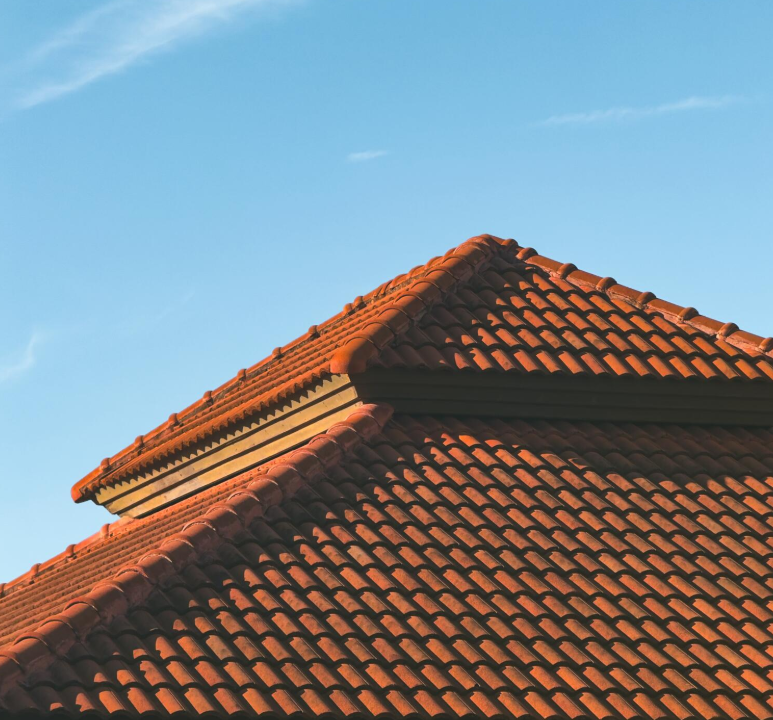
Could a hidden roof problem put your entire business investment at risk? A strong commercial roof helps protect your building from rain, wind, heat, and other harsh weather threats. Regular roof maintenance can also prevent small issues from becoming costly repairs that disrupt daily work.
From damaged seams and blocked drains to worn materials and leaks, early care can help protect your property and extend roof life. Knowing what to check and when to act can make roof care easier and more cost-effective. Read on to discover practical ways to protect your commercial roof, reduce risks, and keep your investment safe for years.
Why A Strong Commercial Roof Matters
A commercial roofing is more than a cover over a business space. It forms a key barrier between the building and rain, wind, heat, dust, and other outdoor threats. When the roof works well, it helps keep walls, ceilings, floors, equipment, stock, and work areas safe from damage.
Roof damage can spread faster than many owners expect. A small leak may wet insulation, stain ceilings, weaken materials, or reach wiring before the problem is easy to see. Strong roof care helps catch these issues early, so repairs can stay smaller and less disruptive to daily work.
A sound roof also supports the value of the whole property. Buyers, tenants, lenders, and insurers may all look at the condition of major building parts when making decisions. Keeping the roof in good shape shows that the property is cared for and can help prevent avoidable costs.
Weather Protection Starts With Roof Care
Harsh weather can place heavy stress on a commercial building. Strong rain can test seams and drains, while high winds can lift loose edges, damage flashing, or move roof materials. Heat and repeated changes in temperature can also cause materials to expand, shrink, crack, or age over time.
Good weather protection starts with regular roof inspection. An inspection can find open seams, damaged surfaces, blocked drains, loose parts, and other weak spots before severe weather makes them worse. Finding these problems early gives owners more time to plan repairs instead of reacting to an urgent leak.
Roof care should also match local weather patterns. Buildings in areas with heavy rain may need close attention to drainage and waterproofing, while properties exposed to strong sun may need checks for surface wear and heat damage. A roof plan based on real weather risks can provide better protection throughout the year.
Roof Maintenance Can Lower Repair Costs
Roof maintenance is often less costly than major repair work. Simple tasks such as clearing drains, checking seals, and fixing small damaged areas can stop water from reaching deeper parts of the building. Early care can also reduce the chance that a small defect grows into a large repair project.
Ignoring a small roof issue can create several new problems. Water may move through insulation, wood, drywall, or other materials and remain hidden for a long time. By the time signs appear inside the building, the repair may involve more areas than the original roof problem.
A planned maintenance schedule makes roof care easier to manage. Owners can set regular inspection dates, record findings, and track repairs from one visit to the next. This simple record helps show which areas need attention and can make future maintenance more clear and organized.
Roof Inspections Find Problems Early
A roof inspection gives owners a closer look at the roof’s current condition. A trained roofing professional can check surfaces, seams, flashing, drains, edges, vents, and other parts that may fail over time. The goal is to find weak areas before they lead to water damage or larger building problems.
Inspections are useful after severe weather as well. Strong wind, heavy rain, and falling debris can cause damage that is not easy to see from the ground. A post-storm check can help confirm whether the roof still provides proper protection or needs prompt repair.
Regular inspections can also help with long-term planning. If a roof shows normal wear but remains usable, owners may have time to budget for future work. If an inspection finds serious damage, early action may help prevent a more costly repair and reduce the risk of business disruption.
Drainage Keeps Water Away
Good drainage is a key part of roof protection. Rainwater needs a clear path away from the roof so it does not collect in low areas or place extra stress on roof materials. Blocked drains, clogged gutters, and damaged outlets can cause water to remain on the roof for too long.
Standing water can create problems even when there is no visible leak. Long periods of water exposure may weaken roof layers, affect seams, and increase the chance of water entering the building. Keeping drains and gutters clear is a simple step that supports better waterproofing and helps protect the roof system.
Drainage problems should not be treated as minor cleaning issues only. A blocked drain may point to poor flow, damaged parts, or a design concern that needs professional attention. Regular checks can help keep water moving and reduce the chance of damage during heavy rain.
Roof Materials Affect Long-Term Value
The materials used on a roof can affect how well it handles weather, wear, and daily demands. Different roof systems have different strengths, service needs, and expected lifespans. Choosing a system that fits the building and local conditions can support better performance over time.
A roof membrane, for example, can provide a strong protective layer when it is properly installed and maintained. Seams, edges, penetrations, and other details still need care because even a durable system can develop weak points. Good installation and routine checks work together to help protect the roof system.
Roof coatings may also help extend the life of some roof systems. They can add a protective surface and may help seal small areas of wear when the existing roof is suitable for coating. A roofing professional should first check the roof condition and confirm that a coating is a proper choice.
Energy Efficiency Starts Above the Ceiling
Roof condition can affect how comfortable and efficient a building feels. A damaged roof may allow water into insulation, while poor roof design or aging materials can affect heat control. A well-maintained roof can help the building manage heat and moisture more effectively.
Insulation plays an important role in this process. Wet or damaged insulation may not work as intended and can take longer to dry after water enters the roof system. Checking for moisture during roof inspections can help owners address problems before they affect larger parts of the building.
A cooler or better-controlled building can also support daily comfort. Workers and visitors may notice when indoor temperatures are hard to manage, especially during hot weather. Roof maintenance does not solve every energy problem, but it can support other building systems that help control indoor conditions.
Water Damage Can Spread Inside
A roof leak rarely stays limited to the spot where water first enters. Water can travel along roof layers, insulation, framing, ceilings, and walls before it becomes visible. This can make the source harder to find and may allow damage to continue during each period of rain.
Interior damage can affect more than the building itself. Water may reach office equipment, stored goods, furniture, records, or electrical parts and create added repair or replacement costs. In some cases, wet materials can also create conditions that support mold growth if they are not dried and repaired in time.
Fast action can help limit the spread of water damage. When a leak appears, the area should be checked and repaired rather than covered up with a short-term fix alone. Finding the source and correcting the roof problem gives the building a better chance to stay dry and protected.
Roof Repairs Help Protect Daily Operations
Roof problems can interrupt normal business work. A serious leak may force a space to close, move equipment, protect stored items, or delay planned activities while repairs are made. Even a short disruption can add stress when workers must focus on a building problem instead of their normal tasks.
Planned repairs are easier to manage than emergency work. When owners know about a weak area early, they can choose a suitable repair time and prepare the affected space. This can help reduce downtime and give workers clearer notice about any changes during the repair.
Professional commercial roofing support can also make repair planning easier. Businesses seeking commercial roofing in Northern California can work with a roofing provider to assess roof conditions, plan needed work, and maintain key roof systems. A clear repair plan helps connect roof care with the building’s wider needs.
A Roof Plan Helps Extend Its Lifespan
Every roof has a useful service life, but daily care can affect how long it performs well. Sun, rain, wind, foot traffic, dirt, poor drainage, and past repairs can all add stress to roof materials. Regular maintenance helps owners respond to these conditions before they cause larger failures.
A roof plan should include inspections, cleaning, minor repairs, and records of past work. It should also note areas that need closer attention, such as seams, drains, flashing, vents, and roof edges. Keeping this information in one place can make future decisions faster and easier.
Owners should also plan for eventual replacement. Waiting until a roof fails completely can create urgent costs and business disruption. Knowing the roof’s age, condition, repair history, and expected needs can help owners prepare for major work before it becomes an emergency.
Professional Care Supports Better Roof Performance
Some roof tasks are simple, but many problems need trained eyes. Roofing professionals can spot signs of wear that may be missed during a basic ground check. They can also assess whether a repair, coating, restoration, or replacement fits the roof’s actual condition.
Professional service is especially useful when roof areas are hard to reach. Walking on some roof systems without proper knowledge can damage materials or create a safety risk. A trained crew can use the right methods and equipment to inspect and repair the roof while reducing unnecessary harm.
Choosing reliable roof care also supports better records. A professional provider can document findings, completed repairs, and areas that may need future work. These records give owners a clearer view of roof performance and can help guide maintenance decisions over the years.
Small Actions Can Protect A Large Investment
Protecting a commercial building does not always require a major project. Simple steps, such as keeping drains clear, checking for leaks, and arranging regular inspections, can help prevent small roof problems from growing. These actions support the roof, the building, and the business activities inside it.
Owners should treat roof care as part of normal property management. A roof that is checked only after a leak appears has already missed chances for early action. Regular care gives owners more control over repairs, costs, scheduling, and long-term building protection.
A strong maintenance habit can also support peace of mind. When roof conditions are known and repairs are handled on time, owners can make decisions with better information. The goal is not to prevent every roof problem, but to find issues early and keep them from becoming bigger threats.
Safety Matters During Roof Work
Roof work should be handled with care because roofs can have steep areas and hidden hazards. Workers need training, tools, and safety gear. They should use them before repair work.
Safe work also protects the building from avoidable damage. A careful crew can limit foot traffic and protect roof layers. It can also leave the work area clean after the job.
Build Lasting Protection From The Top Down
A reliable commercial roof protects the building from rain, wind, heat, and costly damage. Regular care helps prevent major repairs. It also supports steady business operations.
Owners can schedule inspections, clear drains, repair damage early, and track roof conditions. These habits can extend roof life and make costs easier to plan. Good roof care protects the property.