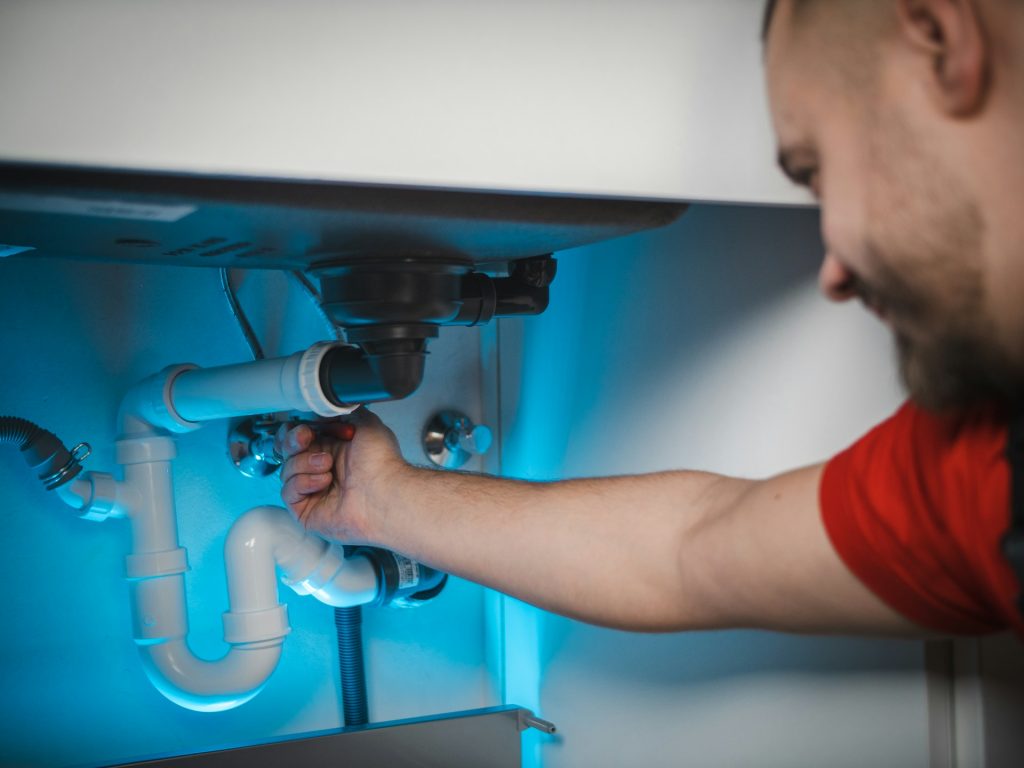
Northern Virginia homes face a unique mix of plumbing challenges because of the region’s seasonal weather, aging housing stock, clay-heavy soil, hard water, and rapid residential development. From older homes in established neighborhoods to newer properties in growing communities, plumbing systems in the area must handle hot summers, freezing winter temperatures, heavy rainfall, and daily household demand. While some problems are minor and easy to fix, others can signal deeper issues inside the pipes, sewer line, water heater, or foundation area. Knowing which plumbing issues are common in Northern Virginia can help homeowners respond quickly, prevent expensive damage, and know when it is time to call a licensed plumber in Woodbridge or the surrounding area.
Why Northern Virginia Homes Experience Plumbing Problems
Plumbing systems are affected by much more than age. Local weather, soil movement, water quality, construction methods, and home maintenance habits all play a role. Northern Virginia has many homes built decades ago, which means some properties still have older pipe materials, worn fixtures, outdated water heaters, or sewer lines that may be vulnerable to tree roots and shifting ground. Newer homes can also experience plumbing problems, especially if installation quality, high water pressure, or heavy household use puts stress on the system. Because plumbing is often hidden behind walls, under floors, and below ground, small problems can grow before homeowners notice them.
Clogged Drains and Slow Fixtures
Clogged drains are among the most common plumbing complaints in Northern Virginia homes. Kitchen sinks often clog because of grease, food scraps, soap residue, and coffee grounds. Bathroom drains usually slow down because of hair, toothpaste, soap scum, and personal care products. Toilets may clog due to excess paper, wipes, hygiene products, or objects accidentally flushed by children. A single slow drain may be caused by a local clog near the fixture. Multiple slow drains, however, can point to a larger issue in the main sewer line. Homeowners should avoid relying too heavily on chemical drain cleaners because they can damage pipes and may not fully remove the blockage. Professional drain cleaning is usually safer and more effective for recurring clogs.
Sewer Line Backups and Tree Root Intrusion
Many Northern Virginia neighborhoods have mature trees, which add beauty and shade but can also create sewer line problems. Tree roots naturally seek moisture and may enter small cracks or loose joints in underground sewer pipes. Once inside, roots can expand and trap debris, leading to slow drains, gurgling toilets, sewage odors, or backups. Older clay, cast iron, or Orangeburg sewer lines may be especially vulnerable. Warning signs of sewer line trouble include:
- Multiple drains backing up at the same time
- Gurgling sounds from toilets or tubs
- Sewage smells near drains or in the yard
- Wet or sunken patches in the lawn
- Frequent need for drain cleaning
- Water backing up into tubs or floor drains
A sewer camera inspection can help identify the exact cause and location of the problem.
Frozen Pipes During Winter
Although Northern Virginia does not experience extreme winter conditions every year, freezing temperatures still create risks for exposed or poorly insulated pipes. Pipes in crawl spaces, garages, basements, exterior walls, and outdoor hose bibs are especially vulnerable. When water freezes, it expands and can crack or burst the pipe. Once the ice thaws, water may escape quickly and cause significant damage. Homeowners can reduce the risk by insulating exposed pipes, sealing drafts, disconnecting garden hoses, and keeping indoor temperatures consistent during cold snaps. If a faucet stops running during freezing weather, it may be a sign that a pipe has frozen and needs immediate attention.
Water Heater Problems
Water heaters work hard in busy households, and problems are common as units age. Homeowners may notice inconsistent hot water, strange noises, rusty water, leaks around the tank, or water that takes too long to heat. Sediment buildup is a frequent issue, especially in areas with mineral-rich water. Over time, sediment settles at the bottom of the tank, reducing efficiency and making the system work harder. Common water heater issues include:
- Not enough hot water
- Water that is too hot or not hot enough
- Popping or rumbling sounds
- Leaks near the base of the tank
- Rust-colored water
- Pilot light or ignition problems
- Pressure relief valve issues
Annual maintenance can help extend the life of a water heater and reduce the chance of sudden failure.
Hard Water and Mineral Buildup
Northern Virginia homes may experience hard water, which contains minerals such as calcium and magnesium. While hard water is not usually harmful to health, it can create plumbing problems over time. Mineral deposits can build up inside faucets, showerheads, valves, dishwashers, washing machines, and water heaters. This can reduce water flow, shorten appliance lifespan, and leave spots on dishes or glass shower doors. Signs of hard water include white crust around fixtures, dry-feeling skin after showers, dull laundry, and reduced water pressure at certain fixtures. A water softener or filtration solution may help protect plumbing and improve water quality.
Low Water Pressure
Low water pressure can be frustrating and may indicate several possible issues. If the problem affects one faucet, the cause may be a clogged aerator, a faulty cartridge, or mineral buildup. If the whole house has low pressure, the issue could involve the main water line, pressure regulator, shutoff valve, or hidden leak. In some cases, older galvanized pipes may corrode internally and restrict water flow. Sudden pressure loss should never be ignored, especially if it is paired with a high water bill, damp areas, or water pooling outside. A licensed plumber can test the system and determine whether the issue is minor or a sign of a larger plumbing problem.
Leaky Faucets, Running Toilets, and Wasted Water
Small leaks may not seem urgent, but they can waste a surprising amount of water and increase utility bills. Dripping faucets are often caused by worn washers, cartridges, O-rings, or valve seats. Running toilets may be caused by a faulty flapper, fill valve, flush valve, or chain adjustment. These problems are common in both older and newer homes. Homeowners should also watch for hidden leaks under sinks, around toilet bases, near washing machine connections, and behind appliances. Even a slow leak can damage cabinets, flooring, drywall, and subflooring if left unrepaired.
Sump Pump and Basement Moisture Issues
Many Northern Virginia homes have basements or lower-level living areas, which can be vulnerable to moisture during heavy rain. A working sump pump helps move groundwater away from the home before it can cause flooding. Problems can occur when the pump fails, the discharge line clogs, the float switch sticks, or the system loses power during a storm. Homeowners should test the sump pump regularly and consider a battery backup if the basement has a history of water intrusion. Signs of sump pump trouble include unusual noises, constant cycling, standing water in the pit, or water entering the basement during rain.
FAQ About Plumbing Issues in Northern Virginia Homes
What plumbing problem should homeowners take most seriously?
Sewer backups, burst pipes, major leaks, and water heater leaks should be treated as urgent because they can cause property damage quickly.
Why do my drains keep clogging?
Recurring clogs may be caused by grease, hair, soap buildup, pipe scale, tree roots, or a deeper blockage in the main sewer line.
Can freezing weather damage indoor pipes?
Yes. Pipes in unheated or poorly insulated areas can freeze, even if they are technically inside the home.
How often should a water heater be serviced?
Most water heaters should be inspected and maintained once a year to check for sediment buildup, corrosion, leaks, and safety issues.
Is low water pressure always a major problem?
No. It may be a clogged aerator or fixture issue. If it affects the whole home or appears suddenly, it should be inspected.
When should I call a plumber instead of trying a DIY fix?
Call a professional for recurring clogs, sewer odors, water heater issues, hidden leaks, low pressure throughout the home, or any problem involving the main water or sewer line.
Protecting Your Home With Preventive Plumbing Care
Plumbing problems are common in Northern Virginia homes, but many serious issues can be prevented or reduced with regular maintenance and early action. Homeowners should pay attention to slow drains, changes in water pressure, unusual pipe sounds, water stains, higher water bills, and moisture around fixtures or appliances. These small warning signs often appear before a major repair is needed. Preventive steps can also make a big difference. Avoid flushing wipes, keep grease out of drains, insulate vulnerable pipes, schedule water heater maintenance, test sump pumps, and address leaks promptly. For older homes, a plumbing inspection can identify aging pipes, sewer line concerns, water pressure issues, or outdated fixtures before they fail. When problems are beyond a simple fix, working with a licensed plumber in Woodbridge can help ensure repairs are completed safely, correctly, and in compliance with local standards. A dependable plumbing system protects your home, supports daily comfort, and helps you avoid costly emergencies.