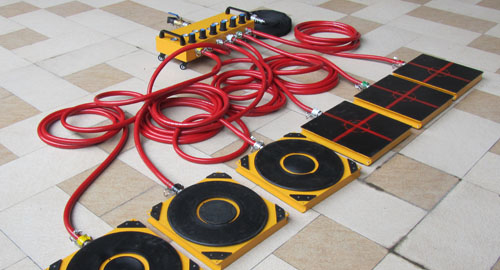
Heavy equipment translocation can be a hassle and time-consuming. Conventional handling techniques can be very labour-intensive. Case Transport by air caster systems is a better system for transportation. The systems to lift heavy loads in these cases are operated by compressed air. They form an “air cushion” under the load. This cushion minimizes the friction forces and rubbing between the load and the floor. But there are a handful of key parts to an air caster system. Safe, efficient material movement is facilitated by each component.
What is An Air Caster System?
The use of air pressure in moving is known as an air caster system. It can with ease tow extremely heavy equipment with little effort. Typically, several Components of the Air Caster will be used in the system. These units are fed from a compressed air supply. The air movements under the caster pads during operation. Aeration provides some separation of equipment from the ground. Can be taken away to appropriate surfaces by workers.
Air Caster Pads
The basic lifting elements are air caster pads. They have flexible air-distributing material. The pad uses an inlet for compressed air to enable the pad. Compressed air is fed into the pad via an inlet. The cushion effect is created by the air under the equipment. This cushion absorbs pressure when he/she is moving. The lifting capacity and stability of the pads depend on their designs. Various pad sizes can be employed for various loads. Size is therefore critical, and choosing the appropriate size is crucial.
Air Supply System
Compressed air is supplied to the casters from the air supply. Can be powered by a compressor or other appropriate air supply. An appropriate supply of pressure and airflow is required. If the airflow is inadequate, it can decrease lifting performance. This air should also not be humid or moist. There are chances that moisture can cause damage to pneumatic system components. Appropriate filters can be used to help remove contamination. This helps the air caster’s operation to be more reliable.
Air Hoses
Air hoses connect the caster unit to the air supply. They transport compressed air around the system. The tube should be able to withstand the specified pressure. They should, in addition, be resistant to abrasion and environmental factors. Pressure loss is caused by poor hose connections. Hoses that are punctured can cause an unexpected system failure. By providing regular inspections, these issues can be avoided.
Control Valves
Air flow control in the system is provided by control valves. They aid the lifting process for the operator’s control. The valves are able to start and stop airflow as needed. A few systems offer adjustment of the individual casters. Proper control of the valves enhances load stability. It can also help more easily position heavy equipment. The system valve arrangement should be known to the operators.
Pressure Regulators
Air pressure is regulated by the following: Pressure Regulators. They are used to regulate the operating conditions. Various loads will need different pressures. The regulator is used to control the appropriate pressure. When the surface pressure is stable, there is better consistency in lifting. It also serves to prevent damage to the parts of the air casters. Be sure to set pressures as suggested by the manufacturer.
Load Distribution System
Heavily loaded items need to be properly balanced. The air caster arrangement helps to achieve this balance. A large piece of equipment can be safely supported by multiple casters. They need to be at the same level as the weight distribution pattern of the load. The system performance may be affected due to unbalanced loading. It could also hinder movement. The center of gravity of the equipment needs to be taken into consideration by engineers. Increased stability with good caster placement.
Mounted or Framed.
A few systems employ a mounting frame or support structure. The frame in this plant is a lightweight way of attaching casters to the plant. The building structure is effective in distributing the load. It additionally can maintain caster units in place at the correct position. The design for mounting will vary according to the size of the equipment and its dimensions. Special mounting solutions may be needed if using a custom system.
Operating Controls
Appropriate controls are needed for operators to control movement. These controls could be in the form of valve or pressure adjustments. There are dedicated control panels available for some systems. Some simple manual controls are used by others. The control set-up should be easily understood. Clean controls promote increased equipment safety. Appropriate training for operators before utilisation of the system.
Why is Component Quality Important?
All parts contribute to the overall system. A weak component could lead to poor reliability of a system. The quality of air pads allows to enhance the efficiency of lifting. Hoses that are known to be reliable minimize the chances of air leaks. Good valves will give you greater control of airflow. Regulators ensure the operating pressure is stable. Hence, parts need to be compatible with their application. They should also have good levels of safety and quality.
Important features to consider when deciding on the Air Casters for Heavy Equipment.
Weight of the equipment is the initial crucial factor. The presence of a suitable floor is another factor that must be considered, as is the space available. The required air pressure has to be according to the system design. The size of casters will need to be in line with the load to be expected. Air Casters for transport heavy equipment can offer an effective solution for handling purposes on special applications. Movement and positioning can be enhanced by proper system design. It can also help decrease the need to use manual handling techniques.
Conclusion
The following are some of the key elements in an air caster system. Air pads develop a cushion underneath the equipment. Compressed air is provided to the system via a hose. Pressure and air flow are controlled using valves and regulators. The use of load mounting structures can ensure correct load distribution. All parts need to be able to function well together. Highly appropriate component choice for safety and efficient transportation. The right components make air casters easy to operate heavy parts. They may additionally cut down effort when relocating manufacturing equipment.