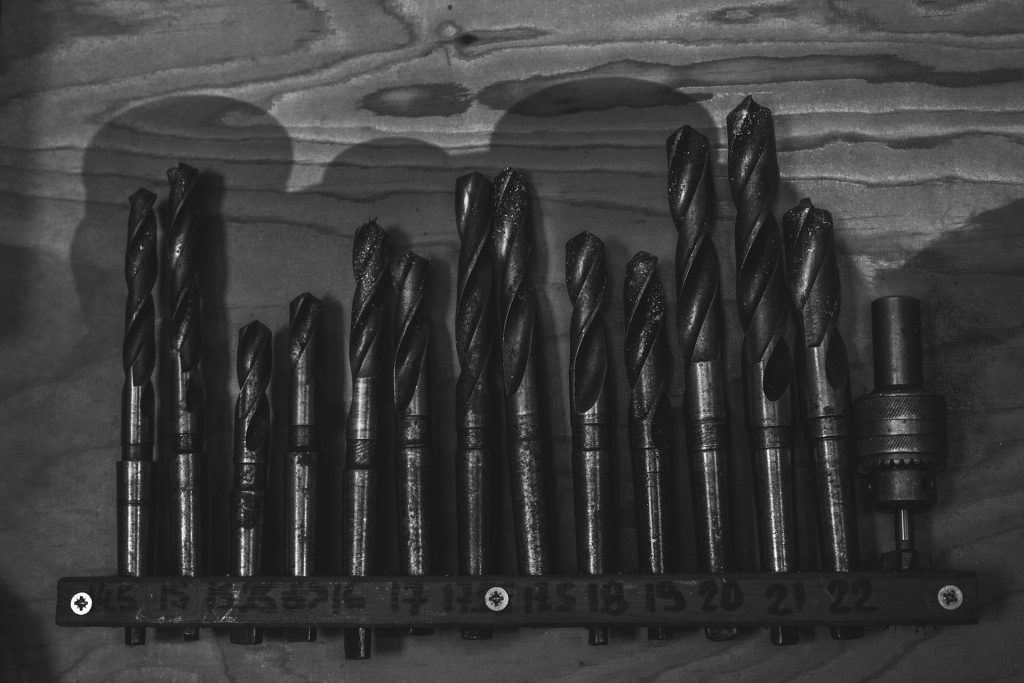
A machining setup that looks good on paper doesn’t always translate into something that works efficiently in a real shop environment. Day-to-day operations require consistency, reliability, and a system that supports your actual workflow—not one that slows you down with unnecessary complexity.
The most effective setups are built around practical use. They prioritize repeatability, ease of adjustment, and tools that integrate seamlessly into daily operations. Instead of constantly changing or troubleshooting your setup, the goal is to create something that works consistently across multiple jobs.
Starting with reliable components like vdi tool holders helps establish a foundation for repeatable tool positioning and efficient changeovers. From there, you can build a system that supports both accuracy and productivity.
Starting with a Setup That Matches Your Daily Work
The first step in building a setup that works day to day is aligning it with the type of work you actually do. Many shops run into issues because their tooling and workholding are not matched to their most common operations.
Ask yourself:
- What types of parts do you produce most often?
- What tolerances do you regularly need to maintain?
- Where do delays or inefficiencies typically occur?
Your setup should be designed to handle these realities. If your shop frequently runs repeat jobs, your focus should be on consistency and quick setup transitions. If you handle a variety of parts, flexibility becomes more important.
Measurement is another critical part of daily workflow. Using tools like electronic calipers allows you to quickly verify dimensions without interrupting your process. Fast, reliable measurement ensures you can maintain accuracy while keeping production moving.
It’s also important to consider operator workflow. A setup that’s easy to understand and use reduces the likelihood of errors and makes it easier to maintain consistency across different shifts. The more intuitive your system is, the more effectively it will perform in a real-world environment.
Another key factor is minimizing unnecessary movement. If operators are constantly reaching, adjusting, or rechecking setups, it slows down production. Organizing your tools and workholding in a way that supports natural workflow can make a noticeable difference in efficiency.
Balancing Efficiency and Accuracy in Your Setup
One of the biggest challenges in machining is finding the right balance between efficiency and accuracy. Focusing too much on speed can lead to errors, while overcomplicating your setup for precision can slow down production.
The goal is to create a setup that supports both.
Workholding plays a major role in this balance. Using reliable solutions like pitbull clamps ensures your parts are held securely without requiring constant adjustments. Strong, stable clamping reduces vibration and helps maintain accuracy while allowing for efficient setups.
Efficiency also comes from reducing variability. The more consistent your setup is, the less time you spend making corrections. This includes:
- Using standardized tooling and processes
- Verifying alignment during setup
- Maintaining consistent measurement practices
Accuracy, on the other hand, depends on control. Ensuring that your tools are properly aligned, your workholding is secure, and your measurements are reliable allows you to maintain tight tolerances without unnecessary rework.
It’s also important to make incremental improvements. Instead of overhauling your entire setup, focus on refining specific areas. Small adjustments—like improving tool alignment or optimizing workholding—can lead to meaningful gains without disrupting your workflow.
Over time, these improvements build a setup that is both efficient and precise. The key is to continuously evaluate what’s working and make adjustments that support your daily operations.
Conclusion
Putting together a machining setup that works day to day is about more than just choosing the right tools—it’s about creating a system that supports your workflow consistently and efficiently.
By matching your setup to your actual work, balancing efficiency with accuracy, and focusing on repeatability, you can build a process that delivers reliable results without unnecessary complexity.
The best setups aren’t the most complicated—they’re the ones that work. When your tools, workholding, and measurement systems all align with your daily needs, your entire operation becomes more productive, predictable, and easier to manage.