
A well-designed interior should look appealing and provide a comfortable environment for everyday activities. The choice of wall finishes, flooring, furniture, and decorative features can influence how a room feels and functions. Sound quality deserves attention, particularly in homes, offices, meeting rooms, and commercial spaces where clear communication matters. Acoustic wooden panels for interiors offer a practical way to address sound-related concerns without sacrificing the natural beauty of wood. These panels combine the warm appearance of timber with a design that helps manage sound inside a room. They can reduce echoes, soften unwanted reflections, and create a more pleasant atmosphere for conversations, work, and relaxation. Their clean lines and natural textures suit a wide range of interior styles, from contemporary homes to traditional offices. With suitable placement and thoughtful design, wooden acoustic panels can contribute to a space that feels organized, comfortable, and visually balanced.
Understanding How Wooden Acoustic Panels Work
Wooden acoustic panels are wall or ceiling coverings designed to help control the way sound behaves indoors. Many products feature wooden slats arranged over an acoustic backing material, with small gaps that allow sound waves to reach the backing, where part of the sound energy can be absorbed. This arrangement helps reduce excessive echo in rooms with hard surfaces, such as tiled floors, glass windows, and bare walls. These surfaces can reflect sound repeatedly, making conversations difficult to follow and causing music or other audio to feel harsh. Acoustic panels help manage those reflections and create a more balanced listening environment. The level of sound absorption varies according to the panel design, backing material, installation method, and room conditions. Wooden panels do not automatically block noise from neighboring rooms or outside traffic. Their main purpose is to improve sound quality within the space where they are installed. Understanding this difference helps property owners choose products that suit their needs.
Adding Natural Beauty to Interior Design
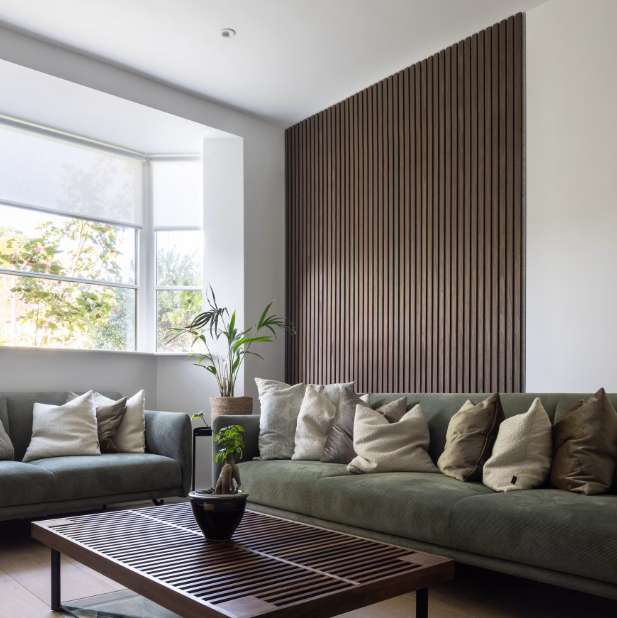
Wood remains a popular material for interior decoration, thanks to its natural grain, varied colors, and timeless appearance. Wooden acoustic panels bring these qualities into a room through repeating slats, textured surfaces, and carefully arranged patterns. Light oak finishes can make a room feel open and relaxed, making them suitable for bedrooms, living rooms, and small offices. Darker timber tones can create a more formal appearance in boardrooms, reception areas, and private studies. Other finishes offer a neutral appearance that blends easily with painted walls, upholstered furniture, and contemporary lighting. Panel arrangements can influence the overall look of a room. Vertical slats may create the impression of greater height, whereas horizontal layouts can make a wall appear wider. Full-height installations create a strong visual feature, and smaller sections can frame televisions, desks, or seating areas. This flexibility allows designers and property owners to incorporate sound control into the interior plan rather than treating it as a separate technical feature. The result can be a cohesive room that does not rely on excessive decoration.
Improving Sound Quality at Home
Homes contain several hard surfaces that reflect sound, including windows, wooden floors, stone countertops, and plastered walls. In open-plan living areas, sound from televisions, conversations, and kitchen activities can travel across the entire space. Rooms with high ceilings may experience more noticeable echoes. Wooden acoustic panels can help create a more comfortable listening environment in these settings. A living room with a television wall, for example, may benefit from panels positioned behind the screen or along a nearby wall. In a home office, suitable wall treatment can reduce distracting reflections during calls and online meetings. Bedrooms and entertainment rooms can benefit from a calmer acoustic environment, too. The panels may complement soft furnishings, curtains, rugs, and upholstered furniture, which absorb sound across different parts of the room. A balanced approach often works better than covering every surface. The amount of treatment required depends on the room’s size, shape, furnishings, and intended use. A suitable arrangement can improve comfort without making the interior appear overly decorated.
Supporting Productive Offices and Commercial Interiors
Offices need spaces where people can communicate clearly and concentrate on their tasks. Large work areas with glass partitions, exposed ceilings, and hard floors can produce distracting echoes. Meeting rooms may experience similar problems, particularly when several people speak during discussions. Wooden acoustic panels provide a decorative option for managing these conditions. They can be installed behind conference tables, along selected walls, or near presentation areas. Improved sound absorption may help participants hear one another more clearly during face-to-face meetings and video calls. Commercial interiors can benefit from the same approach. Hotels, restaurants, reception areas, and shared workspaces often need materials that combine attractive finishes with practical performance. Timber panels can introduce warmth into spaces that might otherwise feel cold or overly industrial. For businesses, the appearance of an interior can influence how visitors perceive the premises. Well-planned wall finishes can create a professional setting without making the space feel impersonal. Acoustic treatment adds a functional benefit, particularly in areas where people spend extended periods talking or working.
Choosing Suitable Materials and Finishes
Selecting wooden acoustic panels requires attention to appearance, performance, and maintenance. The first step is to identify the main problem within the room. A space affected by echo may need sound-absorbing panels, whereas a room troubled by noise passing through walls may require a different construction solution. Material selection matters, too. Natural wood offers distinctive grain patterns and color variations, whereas engineered finishes can provide a more consistent appearance. The backing material, panel thickness, and spacing between slats can influence acoustic performance. Property owners should review product specifications and check whether the panels suit the intended installation area. Rooms exposed to humidity may require finishes and backing materials designed for those conditions. Fire performance, cleaning requirements, and installation instructions deserve attention in commercial settings. Maintenance is usually straightforward, with regular dusting and occasional cleaning according to the manufacturer’s guidance. Choosing a durable finish can help preserve the panels’ appearance over time and keep the room looking well maintained.
Planning Installation for Better Results
Panel placement has a direct effect on how well an acoustic treatment performs. A room assessment can help identify walls or ceiling sections where sound reflections are most noticeable. Furniture placement, ceiling height, and the location of speakers may influence the final arrangement. Professional installation can be useful for large projects, complex wall layouts, or commercial spaces with specific performance requirements. Installers can check wall conditions, select suitable fixing methods, and position the panels according to the room’s needs. Careful planning can prevent unnecessary material costs and create a more consistent finish. It can help coordinate panel dimensions with electrical outlets, lighting fixtures, and built-in furniture, reducing the need for adjustments after installation. Property owners should review the dimensions of the available panels and measure the intended area before purchasing materials. A clear plan can help the finished installation look neat and fit naturally with the rest of the interior.
Conclusion
Wooden acoustic panels offer a practical combination of sound control and natural interior design. They can reduce unwanted echoes, support clearer conversations, and introduce attractive textures into homes, offices, and commercial buildings. Their effectiveness depends on material quality, room conditions, and proper placement, so product selection should reflect the purpose of the space. With thoughtful planning, these panels can contribute to interiors that look inviting, sound more comfortable, and remain functional for everyday use.