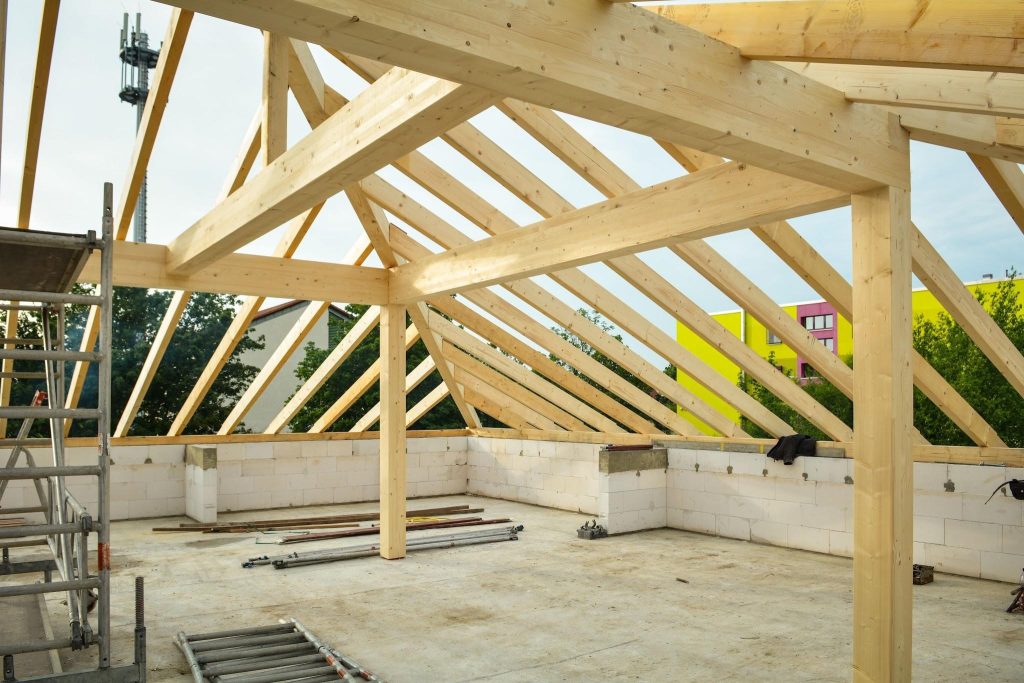
Houses depend on strong overhead framing to hold property value across 20 or 30 years. Most homeowners spend budget dollars on kitchen counters or fresh paint, ignoring the massive structural shield overhead. That heavy framework protects every single room beneath it from weather damage.
Smart architectural choices protect real estate assets against heavy rain, snow, and simple aging. Sharp design choices help properties stand out in competitive real estate markets. They preserve physical integrity year after year.
Structural Integrity Defends Property Assets
A well-planned overhead framework keeps heavy loads distributed across exterior walls. Strong rafters and trusses prevent sagging through heavy storms. Proper alignment keeps drywall intact and preserves internal wall framing.
Water pooling creates invisible weak spots inside timber supports. Weakened beams force expensive framing repairs that drop resale estimates quickly. A solid structural pattern maintains straight lines that inspectors measure during home sales.
Buyers pay top dollar for structural peace of mind when viewing listed homes. Pre-purchase structural surveys highlight roof strength as a key buying factor. Investing in strong framing protects long-term equity against structural degradation.
Modern Roofing Styles Boost Street Appeal
Exterior aesthetics create instant impressions on potential buyers driving through neighborhoods. Clean rooflines give older houses a fresh appearance without massive renovations. Premium shingle patterns turn plain structures into attractive neighborhood highlights.
Smart exterior planning means matching roof slope with modern siding finishes. If you are considering hiring a roofer in Vancouver, WA for your home upgrade, picking an experienced contractor matters. Expert installation keeps ridge lines crisp and material colors consistent across every angle.
Visual symmetry across dormers and gables creates balanced proportions. Appraisers value houses higher when architectural features blend naturally together. Good looks combined with sturdy materials secure buyer interest fast.
Drainage Design Protects Foundations
Steep slopes direct heavy rain into gutter systems without leaving standing pools. Sluggish water runoff causes shingle erosion and damages wooden fascia boards. Proper pitch calculations speed up drainage during sudden seasonal downpours.
Effective drainage protects multiple areas around a residential lot:
- Concrete foundations stay dry without hydrostatic pressure buildup.
- Perimeter garden beds avoid topsoil washouts during heavy rainstorms.
- Exterior wall cladding avoids water splashing and rot damage near ground levels.
Erosion near foundation walls causes settlement cracks that scare away home buyers. Fixing foundation cracks costs thousands of dollars more than maintaining correct roof drainage. Smart roof slope designs route water far away from structural footings.
Pitch Angles Prevent Weather Wear
Roof pitch determines how quickly snow, ice, and heavy wind leave outer surfaces. High pitch designs shed snow loads before weight stresses ceiling joists underneath. Flat angles need specialized membranes to stop moisture from seeping into roof decking.
High winds catch broad roof overhangs if pitch ratios lack proper balance. Wind uplift forces tear away loose edge materials during major coastal storms. Balanced geometry helps wind pass smoothly over ridge caps without catching edges.
Seasonal freeze cycles punish roofs that retain lingering water pockets. Ice dams form along lower edges and push water underneath shingle layers. Proper pitch angles stop water from lingering near delicate gutter lines.
Architectural Shingles Offer Lasting Returns
Dimensional shingles bring depth and shadow lines to traditional residential designs. Heavy layered construction resists wind damage far better than standard flat shingles. Their thick composition shields homes from harsh hail strikes during severe weather.
Longer material lifespans mean fewer repairs across decades of ownership. Industry reports indicate architectural shingles yield a 60% to 70% return on investment thanks to their extended lifespan. Homeowners enjoy strong value retention along with strong weather shielding.
Upgraded materials reassure future buyers that replacement costs remain decades away. Real estate agents highlight upgraded dimensional shingles in high-end listings. Quality shingles keep replacement worries off buyer price negotiations.
Cohesive Designs Elevate Home Market Value
Matching roofing materials with home architecture builds strong visual unity across the entire property. Modern homes look sharp with standing seam metal. Traditional builds suit classic shakes.
Design guides note that a cohesive roof plays a key role in shaping curb appeal, with materials, color, and form picked for performance and architectural unity. Buyers appreciate homes where every exterior detail fits together seamlessly. Thoughtful exterior choices make property photos stand out online.
Inconsistent roof additions lower property appeal by creating mismatched aesthetic patterns. Keeping materials uniform across additions preserves architectural integrity across all sides. Unified design choices keep home valuation high in competitive markets.
Roof Replacement ROI Rewards Property Owners
Investing in a full roof replacement provides major financial returns upon property resale. Fresh roofing signals excellent home maintenance to appraisers and mortgage inspectors. New installations eliminate buyer requests for closing price concessions.
Financial assessments show strong returns across various home improvement projects:
- Standard roof upgrades deliver an average return on investment between 60% and 85%.
- New structural coverings lower home buyer concerns during property inspections.
- Upgraded roofing systems help properties sell faster in cooling housing markets.
Property appraisals reflect new structural investments right after installation completion. Higher appraisal figures help owners secure better equity lines of credit when needed. Protecting property equity starts right at the roofline.
Venting Systems Extend Structural Lifespan
Proper attic ventilation allows trapped heat and moisture to escape ceiling spaces cleanly. Ridge vents combined with soffit intakes create continuous airflow beneath roof decking. Controlling heat levels prevents shingle backing materials from baking and cracking early.
Trapped moisture inside attic spaces causes deck rotting and mold growth along plywood seams. Replacing rotted decking adds unexpected labor costs during future reroofing projects. Balanced airflow keeps moisture levels low across cold winter months.
Smart ventilation reduces cooling costs during hot summer seasons by lowering attic temperatures. Lower utility bills attract cost-conscious buyers looking for energy-efficient homes. Proper airflow preserves structural strength while keeping energy expenses under control.
Roofing architecture forms the primary defense line for home appraisal numbers and physical durability. Choosing solid structural designs keeps water out of framing timbers during heavy storms. Proper pitch calculations stop seasonal leaks before they damage interior drywall.
Upgrading roof materials and airflow systems pays off when listing a home on the market. Smart framing investments guard equity against rot, wind stress, and cosmetic wear. Protecting overhead structural systems secures property wealth across many decades.