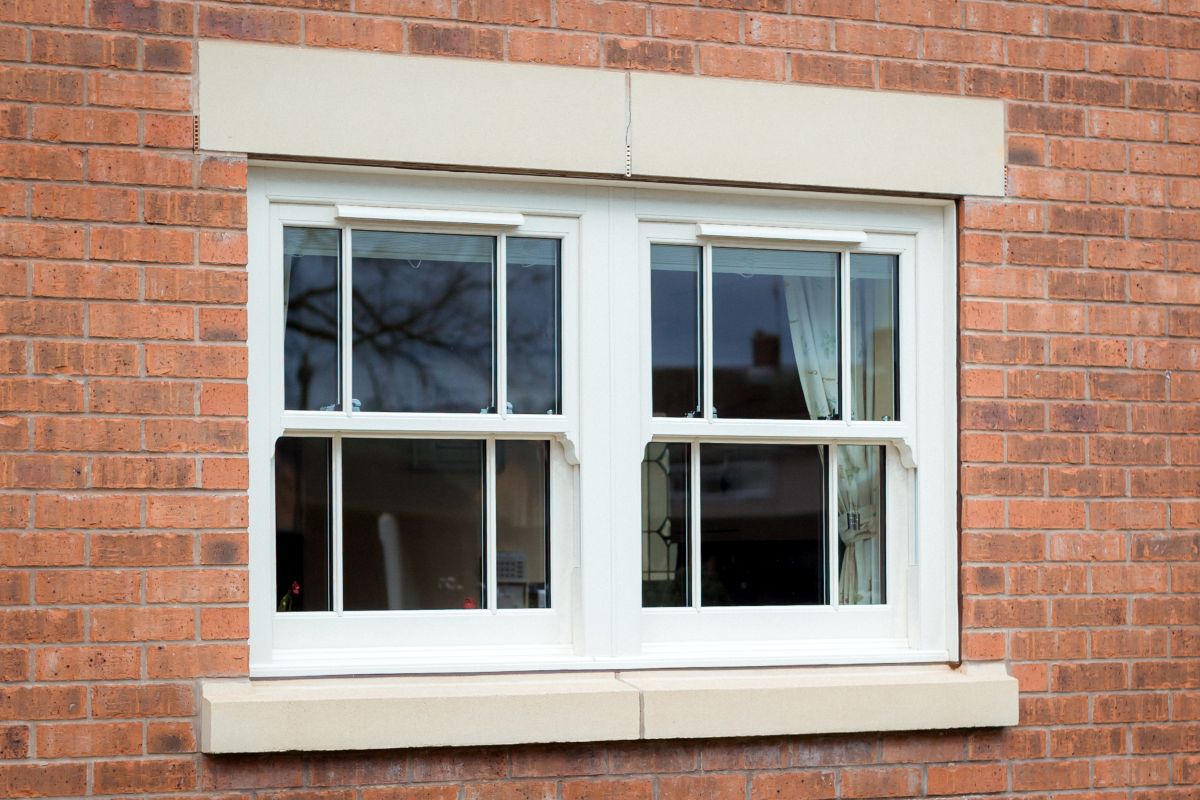
Few elements shape the character of a Georgian, Victorian or Edwardian home as strongly as its windows. Their proportions, spacing and clean vertical lines establish a clear style, and even modest changes to frame thickness, meeting rails or glazing patterns can alter how a building reads from the street. For owners of homes within Britain’s conservation areas, this makes window replacement one of the most consequential decisions in any renovation, and one that deserves far more thought than a label reading “heritage style”.
What conservation-area status actually means
In the UK, a conservation area is a place recognised for its special architectural or historic interest, from Georgian crescents in Bath to Victorian suburbs in Edinburgh and London. The designation does not freeze a property in time, nor does it forbid every alteration. It does, however, bring additional controls intended to protect the appearance and character of the area, and windows frequently fall within their scope.
It is worth distinguishing a home within a conservation area from a formally listed building. Listing protects an individual structure, often inside and out, and usually demands the closest possible to original fabric and materials. A property in a conservation area may have a little flexibility, although requirements vary considerably between locations. Some councils have issued Article 4 directions, which withdraw certain permitted development rights and can mean planning permission is needed for changes such as replacement windows. The only reliable first step is to consult the relevant local planning authority before anything is decided.
Proportion matters more than decoration
Authenticity in a sash window begins with its silhouette rather than its ornament. Slim meeting rails, balanced sash proportions, appropriate frame depth and a correct glazing-bar layout do more for a period façade than any decorative flourish. Deeper bottom rails suit some architectural periods, as do sash horns, the small projections at the base of the upper sash that appeared as Victorian joiners strengthened frames to carry larger panes of glass.
These details should be chosen according to the age, style and surviving features of the individual property, not applied as a generic heritage package. Consistent sightlines across the elevation matter just as much: a row of openings loses its composure when frame widths jump from window to window.
Can modern materials respect historic architecture?
Contemporary manufacturing has narrowed the visual gap between traditional joinery and modern alternatives. Mechanical-style joints, run-through sash horns, woodgrain foils and carefully judged profiles now allow uPVC sliding sash windows to sit far more comfortably on a period building than the flat, chunky frames of earlier decades. Quickslide, a UK manufacturer whose Legacy sliding sash is regarded as one of the most authentic uPVC designs available, offers carefully proportioned sash windows for heritage homes, using slim profiles, mechanical joints, sash horns and traditional finishes to bring the replacement closer to its timber predecessors.
Balance is still needed. Close inspection may reveal differences from handcrafted timber, and planning authorities can require timber where a building is listed, where original fabric survives or where the setting is especially sensitive. Material alone does not determine whether a window respects a historic building; proportion, detailing and colour carry at least as much weight.
The finishing details
Smooth white can appear visually harsh against weathered brick or stone. Softer whites, creams, muted heritage shades and well-chosen woodgrain finishes often sit more sympathetically, though no single colour suits every property. Windows are key parts of a wider architectural palette that includes masonry, roof materials, doors, rainwater goods, existing joinery and the neighbouring buildings along the street.
Comfort behind a traditional face
Handled well, replacement brings quieter rewards: fewer draughts, more consistent indoor comfort and sashes that slide easily after years of sticking frames. For owners of larger period homes, reduced routine maintenance is a genuine consideration where repeated repainting would be disruptive, although it is one factor among several, and good installation and ongoing care matter whatever the material.
Looking beyond a single window
No window should be specified in isolation. Whether original sashes survive elsewhere, how front and side elevations relate, the spacing and scale of openings and the character of adjoining properties all influence what belongs. Replacing part of a building with visibly different windows can unsettle a composition that took a century to mature. For significant or sensitive properties, conservation officers, heritage architects and experienced window specialists can help make the final decision.
The most successful replacement windows do not compete with the architecture around them. Authentic proportions, considered finishes, sensitive glazing and quiet modern performance allow a home to remain comfortable and practical while keeping the qualities that made it distinctive. In a conservation area, successful upgrades are measured not by how much a property has changed, but by how naturally the new work belongs within its historic setting.