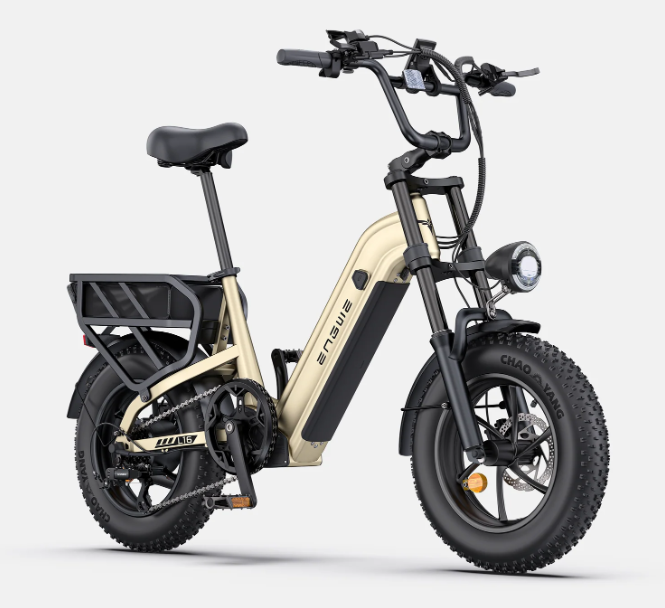
Transportation habits are changing as people search for more flexible, affordable, and convenient ways to travel. Rising fuel expenses, crowded roads, and growing interest in sustainable transportation have encouraged commuters to consider alternatives to traditional vehicles. Among these options, long-range electric bicycles are attracting attention because they combine motor-assisted cycling with battery technology designed to support extended journeys.
Modern electric bicycles offer improved battery capacities, efficient motors, comfortable frames, and practical features that make everyday transportation easier. For people who regularly travel to work, visit local businesses, or explore destinations outside their neighborhoods, longer riding ranges can provide additional freedom and flexibility.
Understanding how these bicycles work and what makes them useful can help riders decide whether a long-range model is suitable for their transportation needs.
1. Greater Freedom for Everyday Journeys
One of the biggest advantages of long-range electric bicycles is the ability to travel farther without constantly worrying about recharging. Traditional bicycles require physical effort throughout the journey, which can make longer routes challenging for some riders.
An electric bike uses motor assistance to reduce the effort required when pedaling. With a suitable battery capacity, riders can cover longer distances while maintaining a comfortable riding experience.
This flexibility can be useful for commuters who live outside busy city centers or need to visit multiple locations during the day. Instead of limiting journeys to nearby destinations, riders can explore more routes according to their schedules and preferences.
However, actual riding range depends on battery capacity, terrain, rider weight, assistance settings, and other conditions.
2. Making Daily Commuting More Convenient
Daily commuting can become stressful when transportation involves traffic congestion, parking difficulties, and unpredictable travel times. Long-range electric bicycles offer another way to approach these challenges.
Commuters can use motor assistance to travel through suitable cycling routes without relying entirely on physical effort. This can be particularly helpful when traveling longer distances or navigating moderate hills.
Electric bicycles are also relatively compact compared with cars, making them easier to park in suitable bicycle storage areas. Some folding models offer additional convenience for people with limited storage space.
For individuals who regularly travel between home, work, and nearby destinations, a long-range model can become a practical part of their everyday routine.
3. Improved Battery Technology Supports Longer Rides
Battery development has played an important role in the growing popularity of long-range electric bicycles. Modern models commonly use rechargeable lithium-ion batteries because they offer a useful balance between energy capacity, weight, and size.
Battery capacity is measured in watt-hours (Wh), providing an indication of how much energy the battery can store. Generally, a higher-capacity battery can support longer journeys, although efficiency also depends on the motor and riding conditions.
Some electric bicycles include removable batteries, allowing users to charge them separately from the frame. This can be particularly convenient for people who cannot bring their entire bicycle indoors.
When comparing models, buyers should examine battery specifications, charging times, warranty coverage, and replacement availability. These details can influence the overall ownership experience.
4. Reducing Everyday Transportation Expenses
Transportation expenses can increase quickly when people depend on fuel-powered vehicles for regular journeys. Fuel purchases, parking charges, and maintenance costs can place pressure on monthly budgets.
Long-range electric bicycles offer an alternative that may reduce some of these expenses, especially when they replace frequent short car or motorcycle trips.
Charging an electric bicycle generally requires less electricity than operating larger electric vehicles. Maintenance can also be relatively straightforward, although components such as brakes, tires, batteries, and electrical systems still require regular attention.
The initial purchase price varies according to motor specifications, battery capacity, construction quality, and additional features.
Buyers should compare the total cost of ownership rather than focusing exclusively on the advertised purchase price.
5. Supporting More Sustainable Transportation
Environmental considerations are becoming increasingly important when people choose how to travel. Conventional fuel-powered vehicles release exhaust emissions that contribute to urban air pollution and greenhouse gas emissions.
Electric bicycles do not produce exhaust emissions while being ridden. Their smaller size and relatively low energy requirements can make them an attractive alternative for suitable everyday journeys.
Using an electric bicycle instead of a car for selected trips may help reduce fuel consumption and local traffic emissions.
Although battery manufacturing and electricity generation also have environmental impacts, electric cycling can support more sustainable transportation choices when it replaces journeys made using larger vehicles.
6. Comfortable Riding Across Different Terrains
Longer journeys often involve different road conditions, including paved streets, gravel pathways, uneven roads, and moderate hills. A comfortable bicycle can make these journeys more enjoyable.
Manufacturers offer several designs to accommodate different riding environments. Standard commuter models are generally suited to paved roads, while fat tire bicycles can provide additional traction and stability on selected loose or uneven surfaces.
Suspension systems may also improve comfort by absorbing some of the impacts created by rough terrain.
Riders should consider the surfaces they travel on most frequently before choosing a model. Tire design, frame geometry, suspension, and overall bicycle weight all influence the riding experience.
7. Encouraging an Active Lifestyle
Long-range electric bicycles can help people include more cycling in their everyday routines. Although motor assistance reduces physical effort, riders can still pedal and participate in physical activity.
Adjustable assistance levels allow individuals to decide how much support they need during different parts of a journey. Someone traveling uphill may prefer additional assistance, while another rider may choose a lower setting to increase physical effort.
This flexibility can make cycling more approachable for beginners and people returning to regular physical activity.
Instead of treating cycling only as a recreational activity, riders can incorporate it into commuting, shopping, and other everyday responsibilities.
8. Important Features to Consider Before Buying
Choosing a long-range electric bicycle requires more than looking at the maximum distance advertised by the manufacturer.
Several specifications should be compared before making a purchase:
- Battery capacity: Check the watt-hour rating and consider whether it supports your regular travel requirements.
- Motor performance: Compare rated power, torque, and assistance characteristics.
- Charging time: Consider how long the battery takes to recharge.
- Braking system: Reliable brakes are essential for controlling heavier electric bicycles.
- Frame construction: Choose a durable design that suits your body size and riding preferences.
- Tire selection: Match tire design to the roads and terrain you regularly encounter.
- Warranty support: Review coverage for the battery, motor, frame, and electrical components.
It is also important to remember that advertised maximum ranges are not guaranteed everyday results. Reviewing realistic customer experiences can provide additional insight into battery performance.
9. Exploring Long-Range Options from ENGWE
ENGWE offers different electric bicycle models designed for various transportation and recreational requirements. Its collection includes folding designs, fat tire options, and models with different motor and battery configurations.
People interested in longer journeys can compare available battery specifications, motor performance, frame construction, and riding features before selecting a suitable model.
The official ENGWE collection provides an opportunity to explore these options in one place. Buyers should review individual product specifications carefully and consider their typical travel distances, storage arrangements, and preferred riding environments.
Selecting a model based on actual transportation requirements can help deliver better long-term value.
Conclusion
Long-range electric bicycles are changing everyday travel by offering greater flexibility, comfortable motor assistance, and an alternative to conventional transportation. Improved battery technology allows riders to consider longer journeys, while different bicycle designs accommodate commuting and recreational activities.
Although actual range depends on several factors, choosing an appropriate battery, motor, and frame configuration can make everyday cycling more practical.
By comparing specifications, safety features, comfort, and warranty support, riders can find an electric bike that fits their transportation needs and supports a more convenient approach to daily travel.