Are you worried your roof may fail because of local weather? Sun, rain, heat, and cold can shorten a roof’s life. You will learn how weather affects asphalt shingles, metal, and tile and what maintenance to do.
Keep reading.
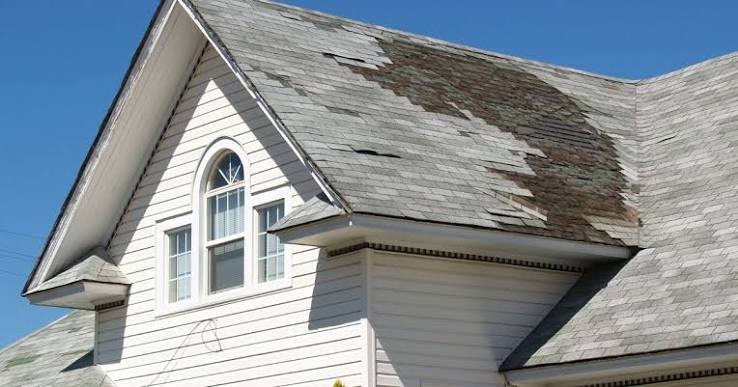
The Impact of Hot Climates on Roof Longevity
Hot climates can harm roofs over time. Intense heat and strong sunlight can cause materials to warp or crack.
Effects of Intense Heat and Sun Exposure
Intense sun speeds material breakdown on roofs. UV exposure fades and weakens asphalt shingles. High daytime heat raises roof surface temperatures above 160°F on dark materials. This stress cuts roof longevity and raises repair needs.
Strong solar radiation hardens and cracks roofing sealants. Elevated heat plus low humidity causes brittleness in many roofing materials. Regular maintenance extends durability and stops small cracks from growing.
Roof owners should inspect after long heat waves. If you’re experiencing the effects of extreme weather on your roof, it may be time to consider roof restoration in Maryland.
Risks of Material Warping and Cracking
High heat and direct UV exposure warp many roofing materials. Metal panels expand and contract each day. Asphalt shingles lose granules and crack over time.
Moisture and humidity speed the damage to roof surfaces. Roof maintenance catches early warping and small cracks. Prompt repairs improve roof longevity and boost durability.
The Effects of Cold Climates on Roof Longevity
Cold climates can harm roofs in several ways. Freezing temperatures and melting snow can cause ice to form, which may lead to leaks and damage over time.
Damage from Freezing and Thawing Cycles
Ice forms inside small roof cracks and expands as it freezes. Repeated cycles of freezing and thawing widen those cracks. Water lifts shingles and loosens nails. This action strips granules from asphalt shingles and speeds material breakdown.
Such moisture stress cuts roof longevity and harms roof durability.
Asphalt shingles and other roofing materials show faster wear in these climates. Ice forces trapped water into seams and under flashing, which leads to leaks. Homeowners need regular maintenance and timely repairs to reduce damage from weather conditions.
Good upkeep helps preserve structural integrity and extends material lifespan.
Impact of Snow and Ice Dams
Snow and ice dams can cause serious problems for roofs. Snow collects on the roof and begins to melt. The melting snow runs down to the colder edges of the roof where it refreezes.
This cycle creates a dam that traps water on the roof. Water buildup can lead to leaks in your home.
The weight of snow also adds stress to roofing materials. Excessive weight may cause sagging or even collapse in some cases. For homeowners who have solar panels installed, choosing a structurally rated mount is equally important; the rt mini 2, for instance, is engineered to handle ground snow loads up to 90 PSF and wind speeds up to 180 mph, making it a reliable option for roofs in demanding climates. Ice dams often lead to mold growth and rotting wood as moisture builds up over time.
Maintaining proper insulation and drainage is crucial for preventing damage from these issues.
Challenges of Wet Climates
Wet climates create problems for roofs. Excess moisture can lead to mold growth and damage roofing materials.
Moisture Retention and Mold Growth
Moisture can stay on roofs in wet climates. This leads to mold growth and damage. Mold thrives in warm, damp areas. It eats away at roofing materials and weakens them over time.
Asphalt shingles are especially vulnerable to mold. Water can get trapped under them, causing leaks and rot. This makes the roof less durable. Homeowners should check their roofs regularly for signs of moisture or mold to keep their roofs strong and lasting longer.
Heavy Rainfall and Drainage Issues
Heavy rainfall can cause many issues for roofs. Water can collect on the roof instead of draining away. This pooled water adds weight and pressure to roofing materials. Over time, this leads to leaks and water damage inside homes.
Blocked gutters worsen these problems by preventing proper drainage.
Poor drainage also encourages mold growth and moss buildup on roofs. These factors can quickly reduce the lifespan of roofing materials like asphalt shingles. Regular maintenance helps clear debris from gutters and downspouts.
Keeping them clean ensures water flows freely off the roof, protecting its durability against heavy rainstorms.
Effects of Dry Climates on Roofing Materials
Dry climates can make roofing materials brittle. This leads to cracks and breaks over time.
Brittleness and Premature Aging
Roofing materials face risks in dry climates. High temperatures can make some materials brittle. This brittleness leads to cracks and breaks. Once the roof starts to crack, it may not last long.
The lifespan of roofing materials shortens due to this damage.
Premature aging often happens from constant UV exposure. Asphalt shingles, for example, can lose their flexibility over time. This loss makes them more prone to wear and tear from weather conditions.
Without proper maintenance, roofs become weak and need early replacement.
Conclusion
Climate affects roof longevity in many ways. Hot weather causes intense heat and sun damage. Cold climates bring freezing and thawing, which can harm roofs. Wet areas create moisture problems and mold growth.
Dry regions might make materials brittle too soon. Each climate poses unique risks that homeowners must recognize for effective maintenance. Taking care of your roof will help it last longer, no matter the weather conditions.