Building from scratch is one of those life decisions that sneaks up on you. One day you’re sketching floor plans on napkins, and the next you’re buried in zoning permits, material quotes, and contractor schedules. Getting the architectural direction right early isn’t just smart, it genuinely changes what your home becomes. Projects using integrated methods benefit from early cost estimating, real-time constructability reviews, and proactive problem-solving, which means your first call really does shape your final outcome.
So before the stress kicks in, take a breath. Let’s walk through this together.
Albany, NY, carries a genuinely distinct architectural personality, historic brownstones, newer infill developments, and everything in between. Layer in four-season weather extremes and neighborhood-specific zoning quirks, and you’ve got a location that rewards local expertise.
Getting to Know Your Architectural Options
Working with architects in Albany means you’re getting professionals who’ve dealt with upstate winters, tight urban lots, and city planning offices firsthand. That local fluency? It’s worth more than it sounds.
The Main Styles Worth Understanding
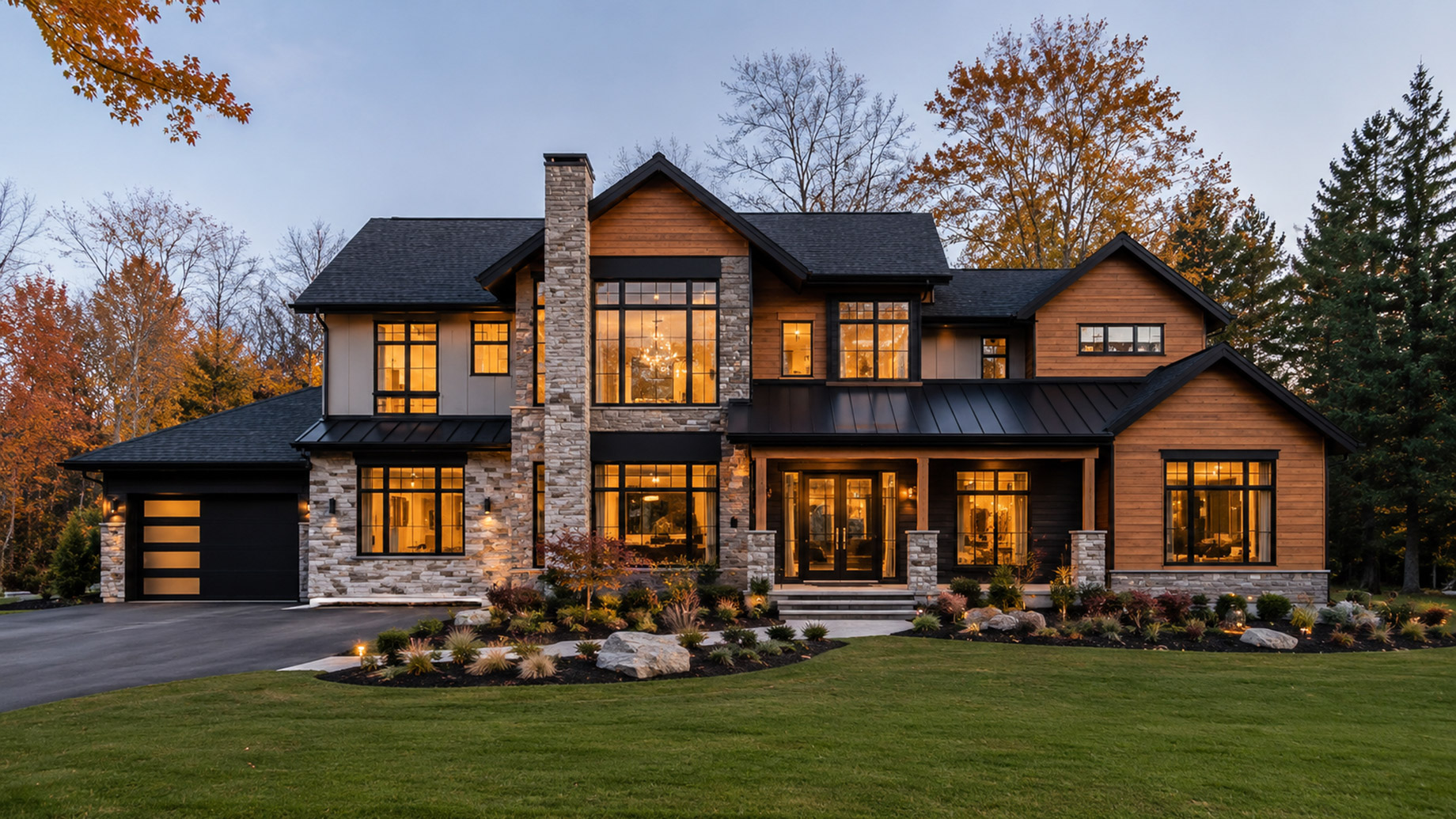
Contemporary design leads with open floor plans and clean geometry. Traditional styles offer something different: symmetry, warmth, the kind of familiarity that makes a house feel instantly like home. Modern Farmhouse hit mainstream popularity for good reason: it blends rustic charm with genuinely livable layouts in a way that holds up over the years, not just HGTV seasons.
Industrial suits those drawn to raw textures and exposed materials, typically thriving in urban environments. And then there’s Sustainable architecture, which isn’t really a “style” so much as a set of values that can underpin any aesthetic direction. It belongs in every conversation about new builds right now.
When you’re choosing a style, don’t ask yourself what’s trending. Ask what will honestly suit your household a decade from now.
What’s Reshaping New Builds Heading Into 2025
Modular construction, biophilic design, smart home integration, and passive house principles are no longer fringe concepts; they’re showing up in serious residential projects across the country. Biophilic design in particular has moved from niche to near-standard: natural light, organic materials, and greenery incorporated into the actual architecture rather than bolted on as an afterthought. Passive house principles reduce energy consumption dramatically through insulation, strategic orientation, and airtightness rather than relying on expensive mechanical systems doing heavy lifting year-round.
These aren’t just “nice to have” features. They’re the kind of decisions that quietly save you money for the next thirty years.
What Should Actually Drive Your Choice
Knowing the styles exist is one thing. Knowing which one is right for you is harder.
Start With How You Actually Live
Family size matters. So do entertainment habits, home office needs, accessibility requirements, and how you see your household evolving. A family with three young kids and a work-from-home setup has radically different spatial priorities than a couple planning to age in place.
Design for where you’re going, not just where you are.
Your Site Has a Loud Opinion
Here’s something a lot of people underestimate: the land itself pushes back. Orientation, prevailing winds, drainage patterns, and natural light angles all influence which architectural forms will actually perform well on your specific lot. In the Albany region, that means honest reckonings with snow loads, cold winters, and humid summers. These aren’t aesthetic considerations; they’re structural and material decisions with real cost implications attached.
Think About What Holds Value Over Time
Design-build is now projected to account for nearly half of all U.S. construction spending from 2024 to 2028, reflecting a clear industry-wide shift toward integrated, value-conscious approaches. A home that looks brilliant today but feels dated in fifteen years is quietly becoming a liability. Investing in a style with genuine staying power protects your money just as surely as any financial decision does.
Working Alongside Professional Architects
Having a clear picture of your needs is great. Translating that into a buildable design is where professional architects earn their fee.
Make Collaboration Actually Work
The best project outcomes I’ve heard about and the worst usually trace back to the quality of the working relationship between homeowner and architect. A thorough project brief up front makes an enormous difference: your lifestyle, hard budget limits, aesthetic preferences, and absolute non-negotiables, all documented clearly. Add regular check-ins, structured feedback loops, and mood boards to the mix, and you’ve created conditions where good design can actually emerge.
Don’t mistake a single briefing for a collaboration. Stay engaged throughout.
Sustainability Isn’t a Compromise Anymore
Energy-efficient materials, renewable energy integration, green roofs, and smart water management are not about sacrifice. Done well, sustainability is a genuine upgrade. Lower operating costs, better thermal comfort, and reduced environmental impact aren’t opposed to good design. They’re part of it.
Practical Tips Before You Commit
Questions Worth Asking Your Architect
Ask to see portfolio work that’s similar in scale and style to what you’re attempting. Confirm their familiarity with local regulations, how they handle mid-project design changes, and whether budget transparency is built into their process or treated as an afterthought. A glossy portfolio is nice. Honest answers to direct questions are better.
How to Actually Land on a Style
Research broadly, then narrow without mercy. Define your non-negotiables first; everything else is negotiable. Review preliminary floor plans critically before you’re emotionally attached to them. Get professional validation before finalizing any direction. Impulse decisions in architecture are expensive ones.
Albany’s Regulatory Landscape Is Worth Taking Seriously
What Makes This Region Specific
Zoning restrictions, heritage overlays, setback requirements, and environmental commitments vary significantly across Albany’s neighborhoods. A design that sails through permits in one district may face serious pushback in the next. This isn’t hypothetical; it’s a regular reality for projects in this region.
Local Relationships Accelerate Everything
Partnering with architects in Albany means working with professionals who already have established relationships with local permitting offices. Thorough documentation, realistic timelines, and proactive neighbor consultations all reduce friction, and in construction, friction always translates to money and time.
New Build Checklist: Don’t Skip These Steps
- Confirm your architectural approach matches your lifestyle and site conditions
- Review your architect’s portfolio for relevant regional experience
- Set sustainability goals and material preferences before design begins
- Verify zoning compliance before locking in any design direction
- Establish a clear budget with contingency built in
- Schedule regular design review sessions, not just one kickoff meeting
- Confirm permit documentation is complete before construction starts
Quick Answers to Common Questions
Which style adds the most resale value?
Contemporary and Modern Farmhouse consistently perform well, but Albany’s local market preferences shape this more than national trends.
How do you balance sustainability with upfront costs?
Prioritize insulation, windows, and roofing; those upgrades deliver the highest long-term savings without dramatically inflating initial budgets.
What should you bring to a first consultation?
Site details, a rough budget, lifestyle notes, and inspiration images. Discuss timeline expectations and whether the firm handles design and engineering coordination together.
How do you future-proof the build?
Install conduit for future wiring, plan for flexible room configurations, and ensure structural capacity for potential additions. Costs little now, saves a lot later.
Build With Intention, Not Guesswork
Choosing your architectural approach is really a series of connected decisions, not one big moment of clarity. Your lifestyle, your site, your budget, and your long-term goals all pull in different directions, and the job is finding the approach that honors all of them at once.
The homes that hold their value and genuinely serve their owners are the ones built with that kind of intention baked in from day one. Reach out to experienced architects in Albany and start building something worth being proud of.
