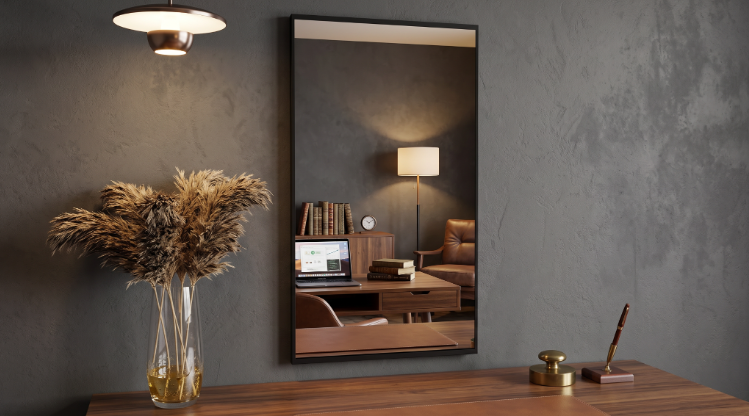
Mirrors have become an essential part of modern homes, fitness studios, commercial spaces, and recreational facilities. While traditional glass mirrors remain common, advancements in material technology have introduced lightweight and impact-resistant alternatives designed to reduce breakage risks. One option gaining popularity across the United States is the glassless large mirror shatterproof mirror, particularly in environments where safety, durability, and ease of installation matter more than the premium reflectivity of conventional glass. In case you are planning a home gym, upgrading a dance studio, outfitting a school facility, or improving a commercial fitness center, understanding how glassless mirrors work helps you make a more informed decision. This article explains the materials, advantages, limitations, maintenance requirements, and ideal applications while comparing them with traditional glass mirrors.
Key Benefits of Glassless Mirrors
One of the primary reasons homeowners and commercial facility managers are choosing glassless mirrors is their enhanced safety profile. Traditional glass mirrors can shatter into sharp fragments when subjected to significant impact, creating potential hazards in gyms, schools, and recreational spaces. Glassless mirrors are manufactured from engineered reflective materials that greatly reduce this risk, making them a practical option in environments where people are constantly moving or exercising.
Another major advantage is their lightweight construction. Large glass mirrors often require multiple installers and specialized mounting hardware because of their weight. By comparison, glassless mirrors are considerably lighter, making transportation, handling, and installation easier while placing less structural load on walls. This is particularly valuable when creating large mirror walls in home gyms, dance studios, or commercial fitness centres.
Durability is another factor contributing to their popularity. Although no reflective surface is completely immune to damage, high-quality glassless mirrors generally withstand accidental impacts better than conventional glass. In busy workout spaces where equipment such as medicine balls, resistance bands, or free weights may occasionally come into contact with the mirror, this added resilience provides greater peace of mind.
From a maintenance perspective, glassless mirrors are also relatively easy to care for. Routine cleaning with a soft microfiber cloth and manufacturer-approved cleaners helps preserve their reflective quality for years. While care should still be taken to avoid scratching the surface, modern protective coatings have significantly improved long-term durability compared with earlier generations of polymer mirrors.
Why Are Glassless Mirrors Becoming More Popular?
The demand for safer interior materials has steadily increased across residential and commercial construction. Fitness facilities, schools, healthcare centers, sports complexes, and recreation areas increasingly prioritize products that minimize injury risks while remaining durable enough for daily use.
Unlike conventional mirrors made from glass, glassless mirrors are manufactured from engineered reflective polymers or other lightweight composite materials. These materials significantly reduce the possibility of dangerous shards if impacted. Several market trends have contributed to their growing adoption:
- Expansion of home gyms throughout the United States
- Increased safety standards in schools and public facilities
- Growing popularity of dance, martial arts, and fitness studios
- Desire for lightweight materials that simplify installation
- Renovation projects focused on child-friendly interiors
Because these mirrors weigh considerably less than traditional glass, transportation, handling, and installation often become easier, especially for oversized wall installations.
Understanding How Glassless Mirrors Work
Although they resemble conventional mirrors from a distance, glassless mirrors rely on different manufacturing processes. Most products consist of highly engineered reflective polymer sheets bonded to rigid support materials that maintain structural stability. Premium versions use advanced coatings that improve image clarity while resisting scratches and environmental damage.
Unlike standard acrylic mirrors, higher-quality glassless systems are specifically engineered to reduce distortion over larger surface areas. Manufacturers continually improve these materials through:
- Protective surface coatings
- UV-resistant finishes
- Improved optical clarity
- Enhanced rigidity
- Moisture-resistant backing systems
The result is a reflective surface designed for active environments where impact resistance is more valuable than achieving the absolute optical perfection of premium glass.
Common Materials Used in Glassless Mirrors
Not every glassless mirror uses identical materials. Product quality often depends on the engineering behind the reflective surface.
Reflective Polymer
Engineered polymers provide lightweight construction with improved impact resistance. Premium polymer mirrors typically offer:
- Better flexibility
- Lower breakage risk
- Reduced weight
- Improved durability
Acrylic-Based Reflective Sheets
Acrylic mirrors have existed for decades and remain popular for decorative applications. Advantages include:
- Lightweight design
- Good weather resistance
- Easy fabrication
However, lower-cost acrylic mirrors may scratch more easily than premium engineered systems.
Composite Reflective Panels
Some manufacturers combine multiple materials to improve rigidity while maintaining a reflective finish. Composite systems often perform better in large-format installations where minimizing distortion becomes important.
Where Glassless Mirrors Perform Best
Different environments benefit from different mirror technologies.
Home Gyms
Fitness enthusiasts increasingly install full-wall mirrors to improve exercise form. Glassless options reduce concerns about accidental impacts from:
- Dumbbells
- Resistance bands
- Kettlebells
- Exercise benches
They also simplify transportation into basements or upstairs workout rooms.
Commercial Fitness Centers
Commercial gyms experience constant daily use. Impact-resistant mirrors help facilities reduce maintenance interruptions while supporting safer workout environments.
Dance Studios
Dance instructors rely on large reflective surfaces for posture correction, choreography, and synchronization. Large lightweight mirrors simplify installation while reducing concerns associated with broken glass during active rehearsals.
Martial Arts Schools
Training spaces often involve high-energy movement. Kickboxing, karate, taekwondo, and mixed martial arts facilities frequently consider shatter-resistant materials for enhanced safety.
Schools and Recreation Centers
Educational facilities increasingly emphasize injury prevention. Because students regularly engage in physical activity, lightweight mirrors may offer practical safety advantages in gymnasiums and multipurpose rooms.
Factors to Consider Before Choosing One
Every installation has different requirements. Consider these questions before selecting a mirror system:
What Is the Primary Purpose?
- Decorative living room mirrors prioritize aesthetics.
- Fitness facilities prioritize safety.
- Dance studios require large reflective surfaces.
- Commercial facilities often prioritize durability.
- The intended use helps determine which material performs best.
How Large Will the Installation Be?
Oversized mirror walls introduce challenges involving transportation, structural support, and installation. Lighter materials often simplify these larger projects.
Will the Mirror Experience Frequent Impact?
High-activity environments naturally involve more accidental contact. Sports facilities and gyms typically benefit from impact-resistant materials.
Indoor Environmental Conditions
Humidity, temperature fluctuations, and UV exposure may influence long-term performance depending on the material used. Always verify manufacturer recommendations for the intended environment.
Maintenance and Cleaning Tips
Proper maintenance extends the appearance and lifespan of any reflective surface. General recommendations include:
- Use microfiber cloths.
- Avoid abrasive scrubbers.
- Choose non-ammonia cleaners when recommended.
- Remove dust regularly.
- Avoid excessive pressure during cleaning.
Following manufacturer care instructions helps preserve reflective quality over time.
Final Thoughts
The glassless large mirror shatterproof mirror has become a practical solution for environments where safety, reduced weight, and impact resistance are higher priorities than achieving the absolute optical precision of traditional glass. Home gyms, commercial fitness centers, dance studios, schools, and recreational facilities all benefit from advancements in engineered reflective materials.
As manufacturing technology continues to improve, these mirrors are becoming more durable, visually accurate, and versatile. Understanding the strengths and limitations of each mirror type allows homeowners, facility managers, and designers to select the most appropriate solution based on performance, safety requirements, installation needs, and long-term value rather than appearance alone.