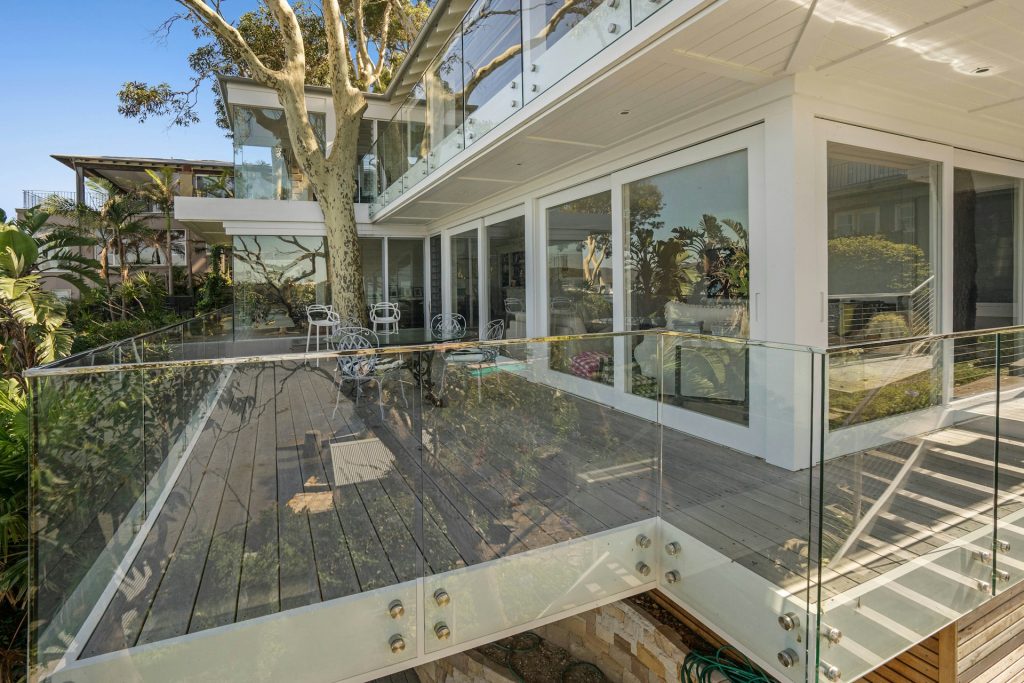
When you design a luxury home, outdoor spaces matter just as much as indoor rooms. Whether you are building a seaside deck, a mountain patio, or a modern balcony, choosing the right railing is essential for safety, style, and preserving your view.
Two popular choices dominate modern luxury homes: Glass Railings and Cable Railings. Both choices deliver a modern, high-end look, maximize outdoor views, and increase property value. However, they offer completely different benefits when it comes to visual style, daily maintenance, weather resistance, and cost.
This guide breaks down the key differences between glass and cable railings across aesthetics, upkeep, wind protection, and cost so you can choose the ideal system for your estate.

Quick Verdict: At a Glance
- Choose Glass Railing if you want a completely solid, open visual barrier that shields your space from high winds, and you are comfortable with higher upfront costs and frequent glass cleaning.
- Choose Cable Railing if you prefer an anti-glare, ultra-durable, and cost-effective option that effortlessly blends into forests, mountains, or water with almost no ongoing maintenance.
Quick Comparison: Glass vs. Cable Railing
| Feature / Metric | Frameless Glass Railing | Stainless Steel Cable Railing |
| Average Cost | $200 – $400+ per linear foot | $75 – $250 per linear foot |
| Expected Lifespan | 10 – 15 years (hardware & gasket refreshes needed) | 25 – 30+ years (minimal upkeep) |
| Maintenance Level | High (frequent squeegeeing, professional high-reach cleans) | Extremely Low (occasional hose-off) |
| Visual Performance | Fully open, clear view; prone to sunlight glare and fogging | Anti-glare; thin lines disappear into natural landscapes |
| Child & Pet Safety | Solid barrier; zero footholds; stops small objects | Strict 3″ gap; high-tension cables prevent climbing |
| Installation Effort | Requires heavy cranes and professional specialized crews | Lightweight, fast installation; highly DIY-friendly |
| Weather Resistance | Blocks wind; subject to thermal cracks and sand scratches | Unaffected by hail, storm debris, high winds, or salt spray |
- Views and Aesthetics
- Glass Railings: Glass railing systems remove every visual barrier between your living space and the surrounding scenery. If your home overlooks the ocean, a city skyline, or a golf course, frameless glass keeps your view fully open and clear. However, direct sunlight turns glass panels into bright mirrors. Sunrises, sunsets, and outdoor lights cause strong glare that temporarily blocks your sight. In cold or humid weather, fog and condensation cover the glass, hiding the exact view you want to enjoy.
- Cable Railings: Cable railing systems add a sleek, modern structure through clean horizontal lines. Thin stainless steel cables stretch tightly between metal or wood posts. From a short distance, these thin cables almost disappear into the background. Up close, they add a crisp, elegant pattern to your deck or balcony. When you pair stainless steel cables with black powder-coated stainless steel posts, you create a bold contemporary finish. This makes cable railing a natural fit for mountain modern homes, craftsman estates, and timber-frame architecture.

- Everyday Care and Maintenance
Maintenance is where glass and cable railing systems diverge most. Glass railings require far more work and constant cleaning than cable railings.
- Glass Railings (High Upkeep): Keeping glass railing clean takes regular effort. Glass panels quickly show water marks, salt spray, fingerprints, and dust. To keep them looking clear, you need to squeegee and wash the panels regularly with mild soap. Cleaning the outer glass on upper-floor balconies creates dangerous, hard-to-reach spots that often require professional cleaners. In sandy areas, windblown sand can permanently scratch and cloud the glass surface. Ocean fog leaves a sticky salt film on the glass, so coastal homes need frequent freshwater rinses. Applying a hydrophobic coating helps shed water and slow down dirt build-up. However, you must reapply this protective layer every few months.
- Cable Railings (Very Low Upkeep): Cable railing systems require very little care over their long lifespan. High-grade T316 marine-grade or powder-coated T304 stainless steel naturally resists rust, corrosion, and harsh weather. You never need to apply special polishes or protective re-coatings. While cables might occasionally catch stray leaves or spiderwebs, you can easily clean them by spraying the railing with a garden hose. A simple freshwater rinse once or twice a year keeps the stainless steel looking brand new for decades. Properly installed steel cables hold their tension for years under normal use. If a cable ever loosens slightly, you can re-tighten it in minutes using a hidden fitting inside the end post.

- Cost
Cable railings cost significantly less than glass railings, both on day one and over the life of your deck.
- Glass Railings ($200 to $400+ per foot installed): Frameless glass systems cost significantly more overall. Thick laminated safety glass and heavy base channels drive up material budgets. Setting heavy glass panels requires specialized lifting equipment and skilled installation crews. On top of the high initial cost, you must budget for ongoing professional glass cleaning services.
- Cable Railings ($75 and $250 per linear foot): Cable railing systems offer a much more affordable option. The hardware components are lightweight, easy to ship, and simple to assemble on site without heavy machinery. Trusted brands like BLIKA cable railing systems make this process even easier by combining strong marine-grade steel with simple, DIY-friendly hardware. The straightforward design allows handy homeowners to install the system themselves, eliminating contractor labor costs entirely. If you do hire a professional, contractors can install these pre-engineered components in a fraction of the time, keeping labor fees low. Material costs stay stable even across large deck areas, letting you spend more on custom wood posts or special top rail finishes while keeping your budget on track.

- Airflow
Your choice of railing directly shapes the temperature and breeze across your outdoor living space.
- Glass Railings: Solid glass panels act like a giant windshield that completely stops air movement. If your deck sits on an exposed, high-wind cliff or a cold mountain peak, glass creates a cozy windbreak that keeps you warm and protected. However, on hot sunny days, solid glass blocks cooling breezes and traps heat, turning your deck into a stifling greenhouse.
- Cable Railings: Cable railings allow fresh air to flow freely across your patio or balcony. Natural mountain or ocean breezes pass right through the open steel wires, lowering the temperature around your outdoor dining and lounge areas. This continuous airflow keeps your outdoor space cool, breezy, and comfortable all summer long.

- Safety
When installed to code, both glass and cable railings keep your family, kids, and pets completely safe. Both options follow strict North American building codes (IRC and IBC). They easily hold heavy weight and keep gap spaces under 4 inches so small children cannot fall through. However, each material handles safety in a slightly different way.
- Glass Railings: Premium glass railings use thick tempered laminated glass. Even if a heavy impact cracks the glass, a tough inner plastic layer holds the broken pieces firmly inside the frame. This stops sharp glass from scattering and prevents dangerous open gaps. Glass walls
- also offer unique safety benefits. They provide zero footholds for climbing, and they stop small toys or shoes from falling off the deck. However, if a severe storm breaks a glass panel, you must replace the entire damaged panel to restore full structural strength and clarity.
- Cable Railings: Cable railings use marine-grade stainless steel cables spaced 3 inches apart. This 3-inch gap strictly complies with IRC and IBC building codes, ensuring a 4-inch sphere cannot pass through even under tension. High-tension steel cables absorb heavy impacts without bending, cracking, or shattering. Horizontal cables are safe for children. The flexible, slick steel wires offer no solid foothold, preventing toddlers from climbing them like a ladder. The narrow spacing also stops kids and pets from pushing through, creating a rock-solid safety barrier for family homes.

- Durability and Lifespan
- Glass Railings (10 to 15 Year Lifespan): Solid tempered glass panels offer decent durability in mild climates. However, constant windblown sand slowly scratches and clouds the glass surface over time. On coastal properties, ocean salt and heavy storm impacts can cause thermal cracks or unexpected shattering. Additionally, the rubber gaskets and mounting clamps holding the glass often degrade after 7 to 10 years, requiring maintenance to keep panels secure. Most outdoor glass railing systems need major panel or hardware updates every 10 to 15 years.
- Cable Railings (25 to 30+ Year Lifespan): Cable railings engineered with Marine-Grade T316 Stainless Steel deliver far longer outdoor protection, often lasting 25 to 30 years or more with minimal care. Marine-grade steel contains added molybdenum, which prevents rust, pitting, and saltwater corrosion even in harsh coastal environments. Unlike glass, flexible steel cables do not scratch, crack, or cloud when hit by hail, flying debris, or high winds, ensuring your deck remains safe and stylish for decades.

Final Verdict: How to Choose for Your Estate
Choose Glass Railing if:
- You want a completely frameless look with zero vertical lines.
- You live in a high-wind area and explicitly need a solid windbreak to keep your seating area warm.
- You have the time, budget, or staff to handle frequent glass washing, especially when strong winds blow salt spray and dust onto the panels.
Choose Cable Railing if:
- You want a clear, open view without sun glare or reflection.
- You prefer natural breezes that keep your deck cool during hot summer days.
- You want quick, easy maintenance that only requires spraying the steel cables with a garden hose.
- You want marine-grade durability and safety at a far more reasonable price point.
The Hybrid Design Approach
You do not have to limit yourself to one railing type across your entire property. Many architects mix both systems to get the best performance and value. Designers often install frameless glass railing on the main terrace directly facing the ocean or pool, where keeping an open view is most important. Then, they switch to cable railing along side walkways, secondary balconies, staircases, and lower decks where wind protection is unnecessary and low maintenance is preferred.