Faced with a sometimes fluctuating real estate market, many sellers wonder about the best strategy for presenting their property. Recent studies have shown that a significant proportion of them expect to have to adjust their prices or offer other advantages to close a sale. In this context, it becomes essential to understand that putting a house on the market does not always require a complete and costly renovation.
Often, a simple, well-thought-out refresh can be enough to transform a property’s appeal, making it easier for potential buyers to assess. The goal isn’t to hide flaws, but rather to highlight your home’s true potential by showcasing clean rooms, functional fixtures, and an organized environment. Learning how to strategically refresh your interior and exterior can save you unnecessary expenses while maximizing your home’s overall appeal.
Together, we’ll explore the key steps to effectively prepare your property before listing it for sale, focusing on improvements that generate the best return on investment and expedite the process. Follow this guide to ensure your home makes a memorable and positive first impression.
The art of first impressions: the exterior of your home
The exterior of your home is the first thing buyers will see, whether in photos or during a viewing. It’s often called “curb appeal,” and its impact is considerable. A welcoming and well-maintained facade can instantly spark interest and make them want to see more, while a neglected exterior can deter potential buyers before they even step inside.
Start by critically assessing your facade, as if you were seeing it for the first time. A thorough cleaning is essential: wash the walls, windows, and front door. Remove cobwebs and accumulated dirt. Consider a fresh coat of paint for the front door or shutters if their condition warrants it. The garden also requires attention. Mow the lawn, weed the paths, trim the shrubs, and add some colorful flowers to brighten things up. Simple touches like a clean doormat or functional outdoor lighting can make a big difference.
Also check for small details that can betray a lack of maintenance: clogged gutters, broken tiles, wobbly mailboxes. Repairing these minor issues conveys a message of care and good property management, reassuring potential buyers about the overall condition of the property.
Interior tweaks that make all the difference
Once the exterior is spotless, attention turns to the interior. The goal here is to create a bright, spacious, and neutral environment, allowing visitors to easily imagine themselves living there. A thorough cleaning is the essential first step. This isn’t just a simple tidy-up, but a deep clean from floor to ceiling, paying particular attention to often-neglected areas like tile grout, the inside of cupboards, and light fixtures.
Decluttering is just as fundamental. Every room needs to breathe. Put away or remove personal items, knick-knacks, collections, and unnecessary furniture. The fewer items there are, the larger and more airy the room appears. Don’t forget cupboards and drawers: buyers will open them. Organized, uncluttered storage spaces give the impression that the house has ample storage. To help you optimize the layout and the perception of space, an interior design professional in Lausanne can provide invaluable expertise, transforming spaces to maximize their visual and functional potential.
Here are some simple repairs that, according to real estate experts, have a noticeable impact:
- Fix water leaks: a dripping tap may suggest a more serious problem.
- Replace burnt-out bulbs: make sure all lights are working for optimal brightness.
- Fix wobbly door and window handles: this reinforces the impression of solidity.
- Repair squeaky or sticking doors: a small step for great comfort.
- Fill any small holes in the walls and repaint if necessary: smooth and clean walls are essential.
- Clean or replace the air vents: for better air quality and a neat appearance.
The power of home staging to attract buyers
Home staging involves preparing your property to make it more appealing and neutral to the widest possible range of buyers. The goal is to create a warm and welcoming atmosphere, allowing visitors to envision themselves living there without being distracted by your personal style.
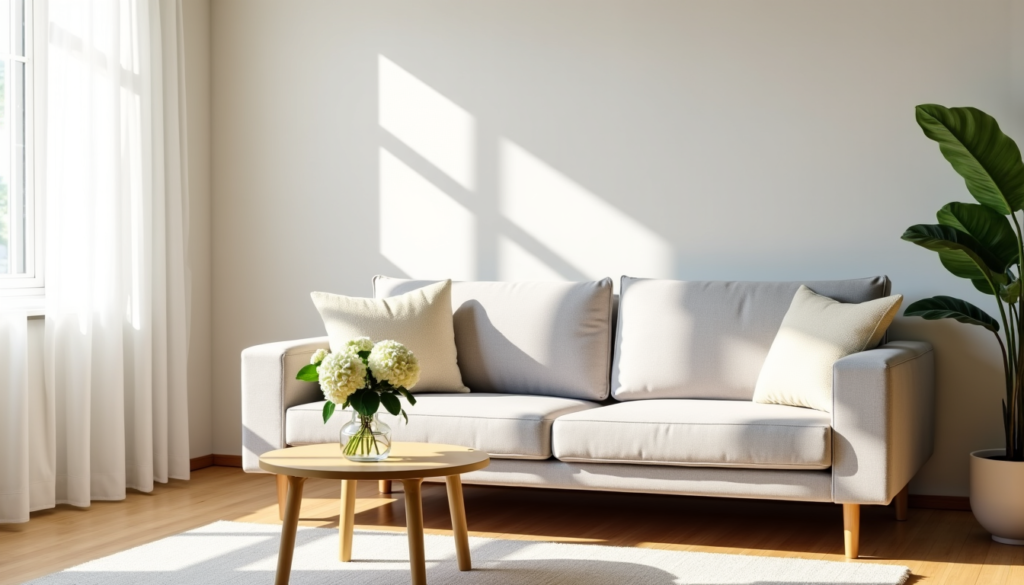
Neutrality is key. Opt for light, calming colors on the walls, such as beige, light gray, or off-white. These shades visually enlarge rooms and provide a neutral backdrop for a variety of tastes. Avoid bright or overly personal colors. Lighting also plays a crucial role. Open curtains and blinds to let in natural light. Add accent lamps to create warm, inviting focal points and eliminate shadows, making rooms feel more welcoming.
The furniture arrangement should facilitate movement and highlight the dimensions of each room. Arrange the furniture to create distinct and functional spaces without cluttering the room. For example, a sofa facing a coffee table and two armchairs can define a comfortable living room. Subtle decorative touches, such as a few cushions, a throw, or a houseplant, can add life without over-personalizing. Ultimately, home staging aims to create a positive first impression, presenting a home not as empty and impersonal, but as an ideal living space, ready to be lived in.
Here is an overview of the elements to consider for home staging, room by room:
| Piece | Home staging tips | Expected impact |
| Living room | Clear the space, airy furniture, neutral cushions, a throw, soft lighting. | A feeling of spaciousness and comfort. |
| Kitchen | Clear work surfaces, clean appliances, a few decorative elements (fruit basket). | Functionality and cleanliness. |
| Bedroom | High-quality bedding, soothing colors, minimizing personal belongings, a mirror to enlarge the image. | An atmosphere of rest and serenity. |
| Bathroom | Clean and matching towels, sparkling mirrors, no personal products. | Hygiene and modernity. |
| Entrance | Uncluttered, mirror, small console, welcoming lighting. | Warm welcome, smooth service. |
Investing wisely: renovations to prioritize
The question of which renovations to undertake is crucial for any seller. The goal is to maximize return on investment (ROI) without unnecessary spending. Not all renovations are created equal, and some have a much greater impact on perceived value and time to sell.
Experts agree that kitchens and bathrooms are the rooms that carry the most weight in the home buying decision. A modern and functional kitchen, even with minor upgrades like replacing cabinet fronts, handles, or adding a new countertop, can dramatically change the perception of a house. The same is true for bathrooms: clean tiles, fresh grout, shiny faucets, and a contemporary vanity can make a huge difference. It’s not always necessary to tear everything down; sometimes, a simple cosmetic refresh is all it takes.
On the other hand, major or very expensive structural renovations, such as adding an extension or completely replacing the roof (if it’s not in poor condition), are generally less profitable before a sale. They may not be fully recouped in the sale price, and the new owner might prefer to carry out these renovations according to their own tastes. As one experienced real estate agent points out:
“Buyers want to see themselves living in the house. They don’t want to pay for someone else’s personal tastes, especially if those tastes are very distinctive. Focus on cleanliness, functionality, and a neutral, timeless aesthetic.”
Updating systems (heating, electricity, plumbing) is also important, not for aesthetic reasons, but to reassure buyers about the property’s long-term viability and safety. Make sure all systems are in good working order and that all required inspections are up to date. A house without major problems sells faster and for a better price.
Establish a realistic budget and optimize your spending
Before embarking on any renovation work, it’s essential to establish a precise budget. Failing to do so could lead to unexpected expenses and reduce your profit from the sale. Start by listing all the improvements you’re considering, from minor repairs and paint touch-ups to any potential equipment replacements.
Get multiple quotes for each major item. Compare prices for materials and services. Keep in mind that the goal is to improve perceived value without overspending. A good rule of thumb is to spend no more than 1 to 2% of your home’s estimated value on pre-sale updates. This percentage can vary depending on the property’s initial condition and the local market.
Prioritize tasks. Focus first on what’s visible and what could hinder the sale. Essential repairs (leaks, electrical issues) should take precedence over aesthetics. Then, prioritize improvements that have a strong visual impact and a good return on investment, such as painting, cleaning, and home staging. DIY projects, even minor ones, will save you considerable money. However, for tasks requiring specific skills or to save time, hiring professionals remains a wise investment.
Managing your budget effectively also means not striving for absolute perfection. Your home doesn’t need to be brand new, but it should be immaculate, functional, and attractive. Every euro spent should be considered to increase the perceived value to the buyer, not to satisfy your own personal tastes or for improvements that won’t be appreciated in the market.
Your action plan for a successful sale
Preparing your home for sale is a process that requires method and organization. By following a clear action plan, you’ll maximize your chances of attracting buyers, getting the best price, and closing the deal under the best possible conditions. Every step, from the initial assessment to the final dusting, contributes to creating a positive overall impression.
Begin with a thorough inspection of your property, noting all areas for improvement, both inside and out. Next, create a priority list, focusing on essential repairs and high-impact cosmetic enhancements. Set a realistic budget and stick to it, prioritizing actions that offer the best return on investment. Decluttering and deep cleaning are non-negotiable steps that cost only time and energy but yield tremendous results.
Don’t hesitate to seek the advice of a real estate agent from the very beginning of the process. Their expertise in the local market can guide you on buyer expectations and the most relevant improvements in your area. An outside perspective, whether professional or friendly, can also spot details you might otherwise overlook. By presenting a well-maintained, functional, and neutral home, you make it easier for buyers to envision themselves living there and accelerate the purchase decision, transforming the selling process into a smoother and more profitable experience.
Frequently Asked Questions for Sellers
Which repairs offer the best return on investment?
The repairs and improvements that generally offer the best return on investment are those that address the most functional and visible aspects of the home: interior and exterior painting, minor repairs to systems (plumbing, electrical), deep cleaning, decluttering, and minor updates to kitchens and bathrooms (new handles, faucets, grout). These interventions improve the overall appeal without requiring excessive spending.
Should you hire a professional for home staging?
Hiring a professional home stager can be very beneficial, especially if you struggle to be objective about your own home or if you’re short on time. A stager has a knack for creating neutral and appealing atmospheres, optimizing space, and highlighting your home’s best features. It’s an investment that can potentially speed up the sale and increase the final price.
How much should I spend to renovate my house?
It is often recommended to limit pre-sale renovations to no more than 1 to 2% of your home’s estimated value. This amount should be allocated to improvements with the greatest visual and functional impact, prioritizing low-cost solutions for maximum benefit. A well-managed budget prevents overinvestment and ensures a better return on investment.
Is it better to sell my house “as is”?
Selling a house “as is” is an option, but it can often result in a lower selling price and a longer selling time. Buyers are generally willing to pay more for a house that doesn’t require immediate work. Even a minor refresh can significantly increase its appeal and perceived value, allowing you to recoup much more than the cost of the improvements.
Towards a smooth and maximized sale
A well-targeted refresh is a winning strategy for anyone looking to sell their home. By acting thoughtfully and focusing on the improvements that truly matter to buyers, you transform your property into a desirable home, ready to welcome its new occupants. Every effort, from the simplest cleaning to the most subtle paint touch-up, contributes to a polished presentation that attracts and reassures. Ultimately, a well-prepared home isn’t just an asset for the sale; it’s the key to a faster, smoother, and, most importantly, more profitable transaction.