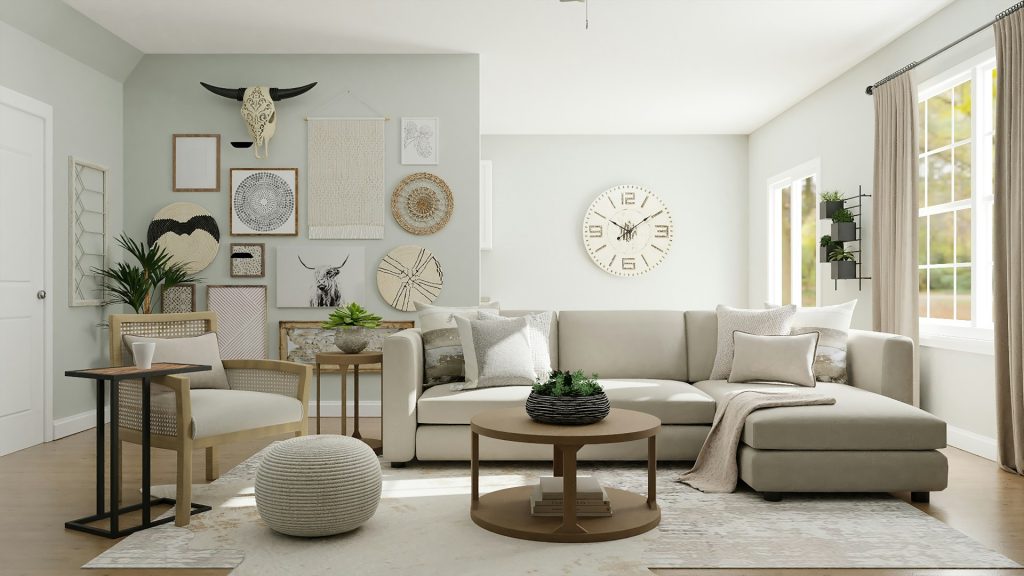
A chair can look perfect online and feel out of place beside your table. Understanding furniture styles helps you spot the details behind that mismatch. Look at shape, materials, and proportion, then use those clues to choose pieces that suit each room and the way you live.
What Defines a Furniture Style?
A furniture style combines recognizable shapes, materials, finishes, and decorative details. Start with the silhouette: rolled arms and a winged back create a different impression from an exposed frame and slim seat.
The differences are easy to spot in dining chairs, where curved upholstered backs, exposed wood frames, and slender legs can give the same table a different character. Then examine smaller details such as trim, handles, and upholstery edges.
Proportion changes the impression, too. A cabinet that sits close to the floor can look substantial, while slender legs reveal more floor beneath it and create a lighter appearance.
Different styles of furniture design share many features. Wood appears in traditional, industrial, and Scandinavian furniture; curves appear across modern and historical designs. Read those details together rather than identifying a style from one material or shape.
Common Types of Furniture Styles and How to Recognize Them
The following table provides a quick reference for comparing common furniture styles. The categories overlap, especially in newly made pieces that combine older influences with current preferences.
| Style | Common visual clues | Familiar examples |
| Modern | Simple forms and restrained decoration | Clean-lined cabinet or sofa |
| Contemporary | Current shapes and a changing mix of influences | Sculptural chair or rounded sectional |
| Mid-century modern | Tapered legs, organic forms, exposed frames | Wood-frame dining chair or low sideboard |
| Traditional | Historical references and decorative detailing | Wingback chair or paneled dresser |
| Transitional | Classic forms with simplified details | Gently shaped upholstered chair |
| Scandinavian | Clean lines, natural materials, practical details | Simple wood chair or functional cabinet |
| Rustic and farmhouse | Natural texture, rural references, familiar forms | Textured wood table or turned-leg bench |
| Industrial | Factory references and structural details | Metal-frame desk or mixed-material table |
Modern Furniture
Modern furniture draws on the modernist movement, which emphasized usefulness and reduced decoration added purely for embellishment. Its influence appears in simple storage fronts, clearly expressed structures, and seating with relatively restrained details.
Modern does not mean newly released, and it does not require every edge to be straight. Curved and organic forms also belong to modern design. A rounded chair with an uncomplicated frame can fit this tradition as readily as a rectangular cabinet.
Contemporary Furniture
Contemporary furniture reflects current design preferences and often combines influences from different periods. Unlike modern furniture, it is not tied to one historical movement.
That flexibility explains why contemporary collections can look quite different from one another. One may feature rounded upholstery and textured wood; another may favor angular shapes and polished surfaces. Use the label to begin your search, then narrow it through the shapes and finishes you prefer.
Mid-Century Modern Furniture
Mid-century modern developed during the middle of the twentieth century. It combines practical design with forms that can feel both geometric and organic.
Tapered legs and exposed wood frames are familiar features, but molded plastic and fiberglass also belong to its design vocabulary. The style is broader than a particular wood color.
A low sideboard or wood-frame armchair can introduce a mid-century influence without turning the room into a period setting. It works particularly well as a starting point when you enjoy seeing the structure of a piece.
Traditional Furniture
Traditional furniture styles draw on several historical influences. You may find shaped legs, decorative moldings, rolled arms, patterned upholstery, or detailed hardware.
The amount of ornament varies considerably. Some pieces feature elaborate carving, while others use straight lines and subtle trim.
If you choose an ornate piece, decide whether it will lead the room or sit among other detailed furnishings. A carved dresser can stand out against plain walls, while patterned textiles can create a more layered setting.
Transitional Furniture
Transitional furniture combines traditional and modern influences. A familiar chair shape might have quieter trim, while a classic cabinet profile might use simpler hardware.
This approach can help connect older furniture with newer purchases. A chair with gently curved arms and minimal detailing, for example, can bridge a decorative wood cabinet and a simpler sofa.
It is especially useful when you like traditional shapes but prefer a less formal room.
Scandinavian Furniture
Scandinavian furniture emphasizes simplicity, natural materials, and practical use. Uncomplicated shapes and details that serve a purpose are useful clues.
Pale wood and light upholstery are familiar choices, but they do not define the entire style. Colorful seating, darker accents, and patterned textiles can also belong.
Look for visible material texture and thoughtful construction details. A simple wood chair can express this approach just as clearly as a storage cabinet.
Rustic and Farmhouse Furniture
Rustic furniture highlights natural texture and variation. Visible grain, knots, irregular edges, and tactile surfaces can make the material itself the main feature.
Farmhouse overlaps with rustic design but draws more directly on rural domestic life. Turned legs, painted furniture, and familiar textile patterns often contribute to its character.
Neither requires heavily distressed finishes. A clean-lined table with visible wood grain can bring rustic texture into a contemporary room, while painted chairs can give the same table a farmhouse direction.
Industrial Furniture
Industrial furniture takes cues from factories, workshops, and loft spaces. Metal frames, wood surfaces, visible structural details, and weathered finishes are common features.
A mixed-material desk or open metal shelving unit can introduce the look without changing the whole room. Upholstered seating provides a softer contrast to the exposed structure.
Industrial-inspired furniture may be newly made, with finishes that imitate age and wear.
How to Choose Furniture Styles for Every Room
Popular furniture styles become more useful when you connect them to an actual purchase. The same design preference can lead to different choices in a dining room, bedroom, or workspace because each room asks something different of its furniture.
Dining Room: Let the Table and Chairs Set the Direction
Your table gives you a shape, finish, and scale to work with. The dining chairs can echo those qualities or change the character of the arrangement.
Mid-century modern dining chairs can introduce exposed wood frames and curved backs around a simple table. Upholstered dining chairs add fabric and a softer outline. Modern dining chairs with slender frames leave more of the table base visible.
The chair backs matter as much as the seats. Tall upholstered backs create a more enclosed seating arrangement, while lower or open-backed designs reveal more of the table and surrounding room.
Around a simple wood table, mid-century modern chairs can echo the exposed frame while adding curved backs. Upholstered dining chairs bring fabric into the arrangement, and their back shape can make the setting feel more tailored or relaxed. Slender, open frames leave more of the table base visible.

Before deciding, check the physical fit. Measure seat height, the table’s underside, and any apron beneath the top. If you want armchairs to tuck in, compare their arm height with the lowest obstruction. Allow room to pull the chairs out and move around the occupied table.
Living Room: Balance Statement Seating With Everyday Comfort
A sofa usually occupies enough space to influence the rest of the seating. Its arm shape, height, upholstery, and overall bulk provide useful starting points for choosing accent chairs.
Beside a deep sectional, an open-frame chair leaves more floor visible and can keep the seating area from looking crowded. Upholstered accent chairs introduce a fuller shape and offer another way to bring fabric or pattern into the room.
If the sofa is already visually busy, a simpler chair gives the eye somewhere to rest. With a plain sofa, a more distinctive chair can become the feature you notice first.

Recliners deserve the same consideration. Reclining chairs come in different styles, including traditional forms with rolled arms and contemporary designs with simpler profiles. Their function does not dictate one particular appearance.
Check both the upright and extended positions. Follow the model’s clearance requirements and consider where the footrest will sit relative to a coffee table or walkway.
For living room chairs placed away from the wall, include the rear view in your decision. An exposed frame or upholstered back may be visible from the doorway throughout the day.
Bedroom: Coordinate the Bed, Nightstands, and Dressers
Start with the bed frame or headboard, especially if you plan to keep it. A tall upholstered headboard creates a different backdrop from a low wood frame with exposed legs.
Your nightstands and bedroom dressers can respond to selected details without matching everything. A wood bed might share a finish with the nightstands, while a painted dresser repeats their handle shape.

Beside a decorative headboard, modern nightstands with simple fronts let the headboard remain the main detail. Check that their tops are easy to reach from the mattress and large enough for your bedside essentials.
Bedroom storage furniture also needs to suit what you put inside it. A six-drawer dresser can vary considerably in drawer width and depth; the count alone does not establish its usable capacity.
Measure the space with the drawers open, particularly beside a bed or closet entrance. A wide dresser may look balanced against the wall yet leave too little room for someone to stand in front of it.
Home Office: Coordinate the Look Around a Chair That Fits
An office chair becomes part of the room’s appearance, especially when the desk shares space with a bedroom or living area. Its back, base, and upholstery may remain visible even when work is finished.
Mesh office chairs have a more open, technical appearance. Upholstered versions create a more continuous padded surface. Some chairs sold as executive office chairs have tall backs and broad arms, but the label does not tell you which adjustments they include.
The material and shape of home office chairs can influence how a workspace fits into the surrounding room. A mesh back gives the desk area a more technical appearance, while fabric upholstery can connect it with nearby curtains or seating. Seat dimensions and adjustments still need to suit the person using the chair.

For regular desk work, compare ergonomic office chairs through their actual fit and controls. Seat height, seat depth, back support, and arm position all deserve attention.
Your feet need stable support, and the chair must work with your desk and keyboard position. Once those needs are met, use color and finish to connect the chair to the room. A dark base might relate to a desk frame, while fabric upholstery can repeat a color in nearby curtains or bedding.
How to Mix Different Furniture Styles Without Losing Cohesion
Begin with a piece you want to keep or a new purchase that will strongly influence the room. Identify what you like about it: perhaps the curved arms, warm wood, or substantial proportions.
Then choose which of those qualities to repeat.
A traditional dining table can work with simpler upholstered chairs when their wood tones relate. The chairs need not copy the table’s decorative details. Their quieter backs can leave those details easier to appreciate.
Mixed wood finishes offer another opportunity. Similar warm or cool undertones can make combining them easier, while repeating a selected tone elsewhere gives it a clearer place in the room. Compare samples under your own lighting before committing.
Also consider how much space each piece appears to occupy. A solid-base cabinet and a leggy chair may balance one another even when their style labels differ.
Across adjoining rooms, you can use a repeated material or color to maintain a connection. A bedroom may have softer upholstery than the office next door, while both use similar wood tones. There is no need for identical styles of furniture throughout the home.
Final Thoughts: Check the Piece Against Your Room
Before ordering, ask:
- Does it work with the furniture you are keeping?
- Are its proportions right for the room?
- Can you use it without blocking movement?
- Does the material suit your care routine?
- Which detail connects it to the surrounding space?
Keep a room photo and measurements nearby while comparing options. They provide a practical reference when a beautifully styled product image catches your attention.
FAQs
What is the difference between modern and contemporary furniture?
Modern furniture refers to a design tradition associated with modernism. Contemporary furniture reflects current preferences and changes over time. Both may use simple forms, but contemporary design can draw on a wider mix of historical and current influences.
Can you mix traditional and modern furniture?
Yes. Give the pieces a visible connection, such as a repeated color or a similar curve. If both have strong decorative details, try placing them in different parts of the room so each can be appreciated without competing directly.
Should every room have the same furniture style?
No. Choose furniture around each room’s use, then consider what is visible through doorways and across open spaces. Repeated colors or finishes can connect rooms while allowing different shapes, textures, and levels of formality.
Do furniture pieces need matching wood finishes?
No. Similar undertones offer one starting point, while contrasting light and dark woods provide another approach. Compare samples in the room and repeat selected tones where you want a stronger connection.