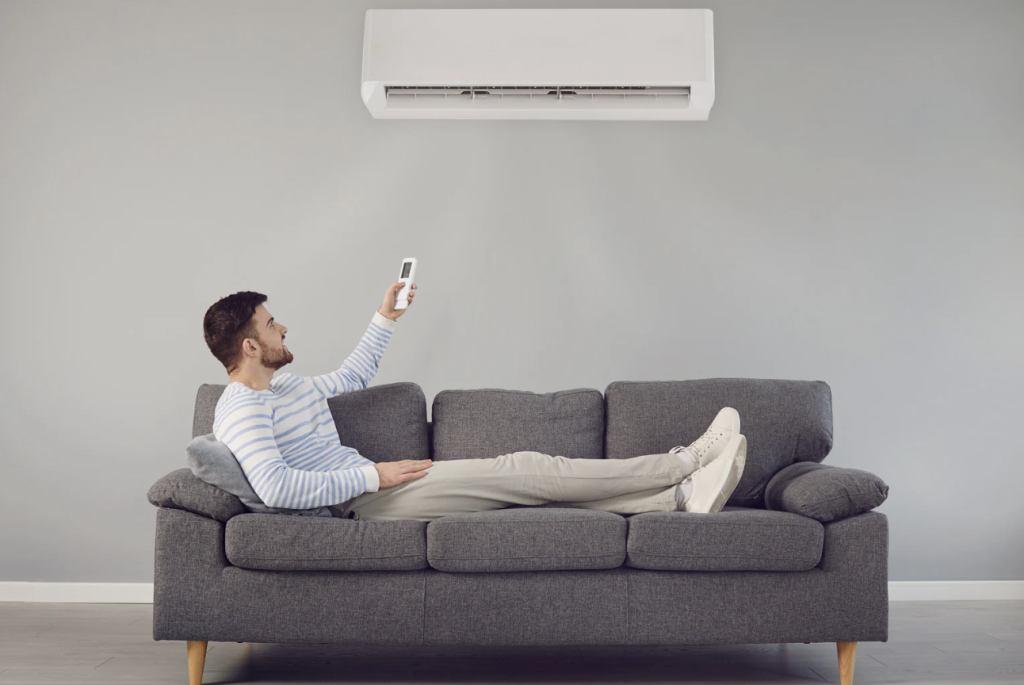
No, setting a thermostat lower than your desired temperature does not cool a house any faster. Central air conditioners run at a single, fixed cooling speed regardless of the target temperature entered, so a system set to 65 degrees cools a room at the same rate as one set to 72.
The only real difference is that the lower setting keeps the system running longer after the room reaches a comfortable temperature, using more electricity for no additional comfort. This is one of the more persistent misconceptions homeowners run into, and it leads to real strain on a system. Top Tier Heating and Cooling believes this is a common reason people end up calling for AC Repair Arvada, CO after a summer of aggressive thermostat settings.
Why the Thermostat Doesn’t Work Like a Gas Pedal
A car’s accelerator changes how much fuel the engine burns, directly affecting speed. A thermostat doesn’t work that way. It’s simply a switch that tells the system “run” or “stop” based on whether the room temperature is above or below the target. Once the system is running, it cools at its designed capacity, a fixed number of BTUs removed per hour, no matter what number sits on the display.
Setting the thermostat to 65 when you actually want 72 doesn’t push more cold air into the room. It just tells the system to keep running well past the point where the room already feels comfortable, since the system won’t shut off until it detects the air has reached the extreme number you entered.
What Actually Determines Cooling Speed
A handful of factors genuinely affect how quickly a home cools, and none of them involve the thermostat setting itself.
| Factor | Effect on Cooling Speed |
| System size relative to home | An undersized unit struggles to keep pace; an oversized one cools fast but cycles poorly and dehumidifies less |
| Air filter condition | A clogged filter restricts airflow, slowing cooling regardless of thermostat setting |
| Ductwork condition | Leaky or blocked ducts lose conditioned air before it reaches the room |
| Outdoor temperature | Extreme heat narrows the gap the system can close per hour |
| Insulation and window seals | Poor insulation lets cool air escape as fast as the system produces it |
| Refrigerant level | Low refrigerant reduces the system’s actual cooling capacity |
Every one of these has a direct, measurable effect on how fast a home cools. The number on the thermostat is none.
The Real Cost of the Misconception
Believing the thermostat controls speed leads to a predictable pattern: setting it unnecessarily low, forgetting to adjust it back up once the room feels fine, and letting the system run for hours longer than needed. Over a full cooling season, this adds up to a meaningful increase in energy use without any corresponding improvement in comfort.
There’s a mechanical cost too. An extended, unnecessary run time adds wear to the compressor and other components that are already working hardest during the peak of summer. A system that’s already marginal, whether from age, a minor refrigerant leak, or a slightly dirty coil, is more likely to reveal that weakness under the kind of extended strain this habit creates.
What to Do Instead
Set the thermostat to the actual temperature you want, and let the system reach it at its normal pace. If a room isn’t cooling quickly enough, the fix isn’t a lower number; it’s addressing whatever is actually slowing the system down: a dirty filter, blocked vents, a duct leak, or in some cases, a system that’s undersized or aging.
Programmable and smart thermostats make this easier by allowing a schedule that pre-cools a home before peak heat arrives, rather than relying on manually cranking the setting down when the house already feels warm. Setting a cooling schedule that starts an hour or two before you actually need the lower temperature achieves genuine, faster comfort without the wasted energy of an artificially low target.
When Slow Cooling Points to a Real Problem
If a home consistently takes far longer than it used to reach a comfortable temperature, that’s worth paying attention to, separate from the thermostat myth entirely. A system that used to bring a home from 78 to 72 in twenty minutes and now takes an hour is showing a real decline in performance, not something explained by how the thermostat is set.
Common causes behind this kind of slowdown include a refrigerant leak reducing the system’s cooling capacity, a dirty condenser coil outside preventing the system from releasing heat efficiently, or ductwork that has developed leaks over time. None of these resolve by adjusting the thermostat further. They require an actual inspection to identify and fix the underlying issue.
A Simple Way to Think About It
The thermostat is a target, not a throttle. It tells the system when to stop, not how hard to work while it’s running. Once you understand this distinction, the logical next step when a room feels too warm is checking the filter, the vents, and the outdoor unit, not reaching for a colder number on the display.
The Bottom Line
Setting a thermostat below your actual comfort level does not speed up cooling in any meaningful way. It simply extends how long the system runs after the room is already comfortable, increasing energy use and adding unnecessary wear without a real benefit. If a home genuinely isn’t cooling as quickly as it should, the cause lies somewhere in the system itself, the filter, the ductwork, the refrigerant level, or the outdoor unit, not the number on the thermostat. Addressing that underlying cause, rather than compensating for it with a lower setting, is what actually restores fast, efficient cooling.