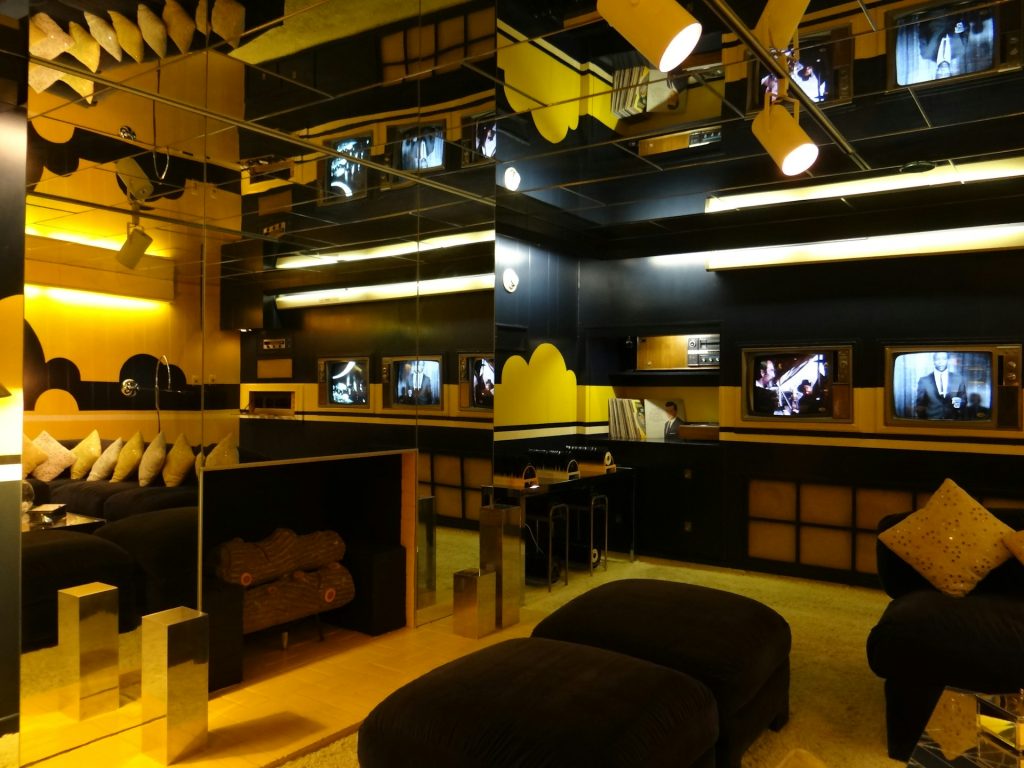
A media room should feel special the moment you walk in. Not stiff. Not showy. Not like a showroom where everyone is afraid to touch the furniture. The best ones have polish, yes, but they also make people want to sit down, kick back, and stay for a while.
That balance is where the magic happens.
A sophisticated media room is not only about the largest screen or the most expensive sound system. Those details matter, of course, but they are only part of the story. The room also needs warmth, good seating, soft lighting, smart storage, and enough comfort to handle a long movie, a Sunday game, or a quiet night with a glass of wine and an old favorite film.
Here’s the thing: luxury design works best when it still feels human.
Start With How the Room Will Actually Be Used
Before choosing wall panels, speakers, or leather seating, think about how the room fits your life. Will it be a private cinema for two? A family movie space? A game room where friends gather during football season? A lounge that also handles cocktails, music, and casual conversation?
That answer shapes everything.
A dedicated home theater can be darker and more dramatic. You can use deep wall colors, tiered seating, acoustic panels, blackout shades, and a large projection screen. But if the room also works as a social space, it needs more flexibility. Maybe you add swivel chairs, a bar cart, built-in shelving, or a low table for snacks and board games.
Honestly, many homeowners make the same mistake. They design the room around the screen, then wonder why it feels awkward when people are not watching something. A media room should still feel good when the screen is off.
Think of it like a luxury hotel lounge. It has a purpose, but it doesn’t shout. It invites.
Get the Seating Right First
Seating can make or break a media room. You can have the perfect screen height and a clean AV setup, but if the chairs feel stiff after 40 minutes, nobody will enjoy the space.
Start with comfort, then refine the look.
For long viewing sessions, look for seating with proper back support, generous proportions, and materials that age well. Leather is a strong choice because it feels elevated, cleans more easily than many fabrics, and develops character over time. Recliners also make sense, but they should look intentional, not bulky or out of place.
This is where pieces like Stressless recliners at European Leather Gallery fit naturally into a luxury media room. They bring comfort without making the room feel casual in the wrong way. Good recliners should support the body, suit the scale of the space, and blend with the rest of the design.
If the room is large, mix seating types. A sectional can anchor the center, while a pair of recliners or lounge chairs adds variety. In a smaller space, two to four excellent seats often feel better than cramming in too much furniture.
And leave space to move. Nobody wants to shuffle sideways with a bowl of popcorn.
Sound Should Feel Clean, Not Loud
A good media room does not need to shake the walls to feel impressive. Sound quality matters more than raw volume. You want clear dialogue, balanced bass, and audio that surrounds the room without swallowing it.
Acoustics often get ignored because they are less visible than furniture or lighting. But they change the whole experience. Hard surfaces bounce sound around. Glass, stone, bare walls, and glossy floors can make audio feel sharp or messy. Soft materials help.
Use rugs, upholstered furniture, lined curtains, wall panels, or textured wallcoverings to absorb extra noise. Wood slats, fabric panels, and built-in shelving can also help soften the room while adding style. The trick is making these choices look designed rather than technical.
You don’t need to turn the room into a recording studio. In fact, please don’t. A media room should still feel like part of the home. Hide speakers when it makes sense, but do not sacrifice sound placement only for looks. Built-in speakers, soundbars, subwoofers, and ceiling speakers all work when planned early.
Think of sound like tailoring. When it fits well, you notice the result, not the work behind it.
Lighting Sets the Mood Before the Movie Starts
Lighting is one of the easiest ways to make a media room feel refined. It also prevents the space from feeling like a dark basement with expensive equipment.
Layer the lighting. Use recessed ceiling lights for general brightness, wall sconces for warmth, LED strips behind shelves or panels, and table lamps if the room has side tables. Dimmers are non-negotiable. Bright light works when people arrive. Low light works when the film starts. A soft glow works when everyone is chatting afterward.
Avoid placing lights where they reflect on the screen. That sounds obvious, but it happens all the time. Glossy tables, shiny art, and glass cabinet doors can also catch glare. Matte finishes and careful placement solve many of these problems.
For a luxury feel, warm light usually works better than cold white light. It flatters wood, leather, fabric, and skin tones. Nobody wants to feel like they’re watching a movie in a clinic.
A small note: lighting should guide people through the room. Step lights, shelf lighting, and soft floor-level lighting help guests move safely without breaking the mood.
Choose Materials That Feel Rich But Relaxed
Sophisticated does not have to mean formal. A media room can use high-end materials and still feel easy.
Wood adds warmth. Leather adds depth. Wool rugs soften the floor. Stone, metal, and glass bring contrast, but they need balance. Too many hard surfaces make the room feel cold. Too much softness can make one feel sleepy. You want contrast, then comfort.
Darker colors often work well in media rooms because they reduce glare and create a cozy atmosphere. Charcoal, deep brown, navy, olive, and warm taupe can all feel elegant. But do not assume dark means gloomy. With the right lighting and texture, dark rooms feel intimate, almost cinematic.
Built-ins are another smart move. They hide wires, organize equipment, and give the room a finished look. Cabinets can hold gaming consoles, remotes, blankets, and extra cables. Open shelving can display books, art, vinyl records, or small sculptural pieces.
Just avoid clutter. Media rooms collect things fast: controllers, chargers, speakers, snacks, blankets, board games. Give every item a place before the room turns into a very expensive junk drawer.
Make the Screen Fit the Room, Not the Other Way Around
Bigger is not always better. There, someone had to say it.
The screen size should match the viewing distance, ceiling height, and seating layout. A huge screen in a small room can feel overwhelming. It can also cause eye strain. On the other hand, a screen that is too small makes the room feel unfinished.
The center of the screen should sit near eye level from the main seating position. If the screen is too high, people end up craning their necks. This is common when TVs are mounted above fireplaces, and it rarely feels good during a long film.
Projectors work well in dedicated theater rooms, especially when paired with blackout treatments. Large TVs work better in spaces that get some daylight or serve more than one purpose. Hidden screens, media walls, and framed displays can also help the room look polished when not in use.
Plan the wiring early. Nothing ruins a luxury media room faster than visible cords running down a wall. Cable channels, recessed outlets, and built-in cabinetry keep everything clean.
Add Personality So It Doesn’t Feel Too Perfect
A media room should reflect the people who use it. Otherwise, it risks feeling like a staged property listing, beautiful but empty.
Add personal details. Framed film posters can work, but choose them carefully. Vintage posters, black-and-white photography, travel prints, sports memorabilia, or album art can all feel right depending on the home. A few coffee table books also add character without trying too hard.
Texture helps too. A cashmere throw, a leather tray, a ceramic bowl for remotes, or a woven basket for blankets can make the room feel lived in. These small details matter. They tell people, “Yes, this room is elegant, but go ahead and relax.”
You know what? That is often the difference between a room people admire and a room people actually use.
Don’t Forget the Social Side
A media room is not always about silence and serious viewing. Sometimes it is about laughter, snacks, conversation, and people arguing over which film to play. Build for that.
Add a small beverage fridge if the space allows. Consider a counter for drinks or a cabinet for glassware. If children use the room, include easy-clean surfaces and storage that they can reach. If guests visit often, add side tables near every seat. People need somewhere to place a drink, a phone, or a plate.
The same idea applies outside the home, too. Spaces built for gathering depend on atmosphere, layout, and how people experience them in photos and online. That is why event businesses, including wedding venues, pay attention to mood, lighting, and digital visibility through strategies such as SEO for wedding venues. It is a different setting, sure, but the principle is similar: people are drawn to spaces that feel memorable before they even step inside.
For a private media room, that means every detail should support the mood. Not just the technology. Not just the furniture. The feeling.
The Best Media Rooms Feel Effortless
A sophisticated media room does not need to feel precious. It should feel considered. There is a difference.
When seating supports the body, lighting flatters the room, sound feels clear, storage hides the mess, and materials bring warmth, the space starts to work naturally. People settle in. They stay longer. They come back.
That is the real measure of success.
The screen can be impressive. The speakers can be excellent. The design can look polished enough for a luxury property feature. But if the room does not invite people to relax, it misses the point.
Luxury should still have a heartbeat. In a media room, that heartbeat is comfort.