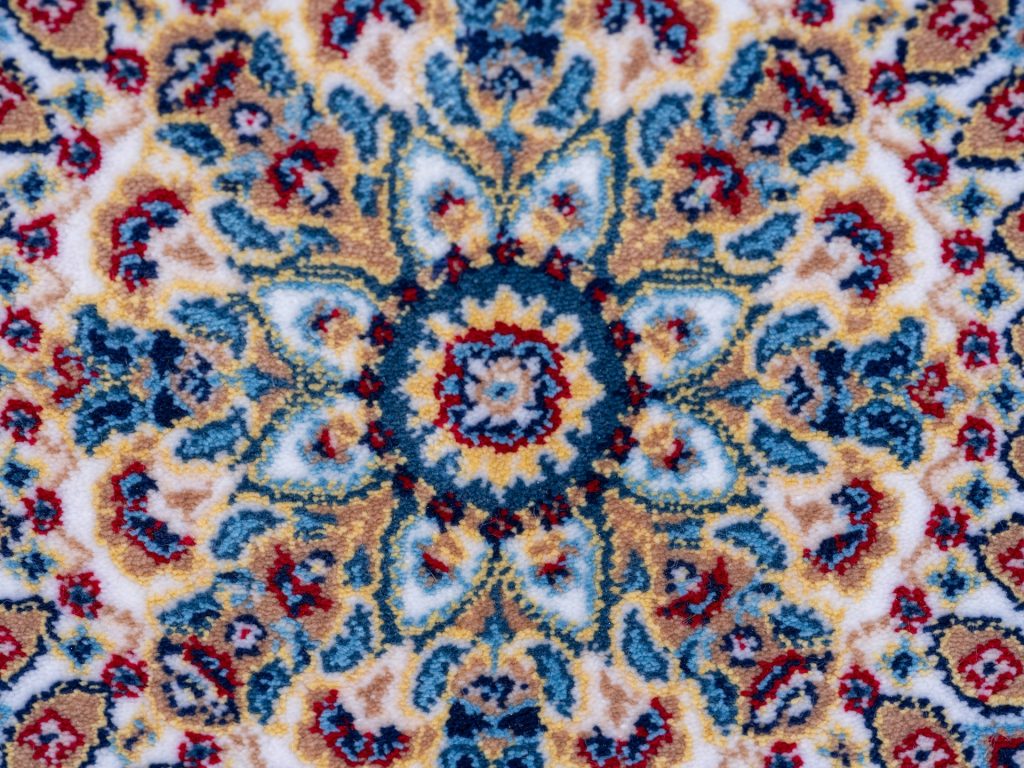
You vacuum regularly, remove visible stains and use freshening products, yet your carpet still looks dull. The colour appears flat, busy areas look darker and the room never feels fully clean. This problem is common in homes with children, pets, visitors or heavy daily foot traffic.
The hidden reason often sits deep below the visible surface. Fine soil, detergent residue, pet oils and crushed fibres collect inside the carpet pile. Standard vacuuming removes loose surface dust, but it cannot always reach material trapped near the backing.
Poor cleaning methods can make the problem worse. Too much detergent leaves a sticky coating. Excess water pulls old dirt back towards the surface. Fast vacuuming misses fine grit that gradually damages the fibres.
A cleaner looking carpet needs more than fragrance or a quick pass with a vacuum. It needs the source of the dullness to be identified and treated correctly.
Carpet Cleaning London and the Soil Hidden Below the Surface
London homes collect more outside soil than many residents realise. Fine road dust, pollen, grit and moisture enter through open windows, shoes, clothing and pets. Larger pieces stay near the surface, but tiny particles fall between the fibres.
Each step pushes this material deeper into the pile. Over time, the grit rubs against the fibres and changes how they reflect light. The carpet then looks grey or faded, even when no clear stain is present.
A vacuum works best on loose debris. Deeply settled soil may resist normal suction, particularly in thick carpet or areas with compacted fibres. Slow vacuuming in overlapping lines can collect more dirt, yet some material may still remain.
Homeowners facing persistent dullness may benefit from Carpet Cleaning London that targets embedded soil with suitable cleaning and extraction methods. Removing material from deeper in the pile can restore a cleaner appearance without hiding the problem beneath perfume or powder.
Detergent Residue Can Attract Fresh Dirt
Many people assume that extra cleaning solution will produce a cleaner carpet. In reality, using too much detergent can leave residue behind. The carpet may feel fresh for a day, then start looking dirty again much sooner than expected.
Detergent residue is often slightly sticky. Dust, hair, crumbs and oils attach to it as people walk across the room. Busy sections near doors and sofas may develop dark tracks soon after cleaning.
The same problem can occur if a hire machine has weak suction or if too much product is added to its tank. Water may be removed from the top of the carpet, yet cleaning solution can stay inside the deeper fibres.
Always follow the amount listed on the product label. More solution does not mean more effective cleaning. Rinsing and extraction matter just as much as application. A properly cleaned carpet should not feel stiff, crunchy or oily once dry.
Upholstery Cleaning London and the Dirt Moving Between Surfaces
Carpet is not the only surface holding household dirt. Sofas, armchairs, cushions and footstools collect body oils, dust, food particles and pet hair. This material can move from furniture to clothing, socks and carpet throughout the day.
A sofa may look clean from a distance but still contain fine soil in its seams and fabric. Sitting on it transfers particles to clothing. Walking across the room then carries some of that material onto the floor.
Cleaning carpet without caring for nearby furniture can limit the final result. Dust from upholstered items may settle back onto freshly treated flooring. Pet hair caught beneath cushions can spread again within hours.
Arranging Upholstery Cleaning London can help address another major source of indoor dirt. A coordinated approach to floors and furniture creates a more consistent result across the room.
Carpet Fibres Can Look Dirty After Being Crushed
Dark paths across a carpet are not always stains. Heavy foot traffic can flatten the fibres and change the direction of the pile. Light then reflects differently from the compressed area, making it appear darker than the surrounding floor.
Vacuuming against the direction of the pile may lift some fibres. Moving furniture can reduce repeated pressure on the same route. Protective pads beneath heavy furniture legs can limit deep indentations.
Permanent wear cannot always be cleaned away. If the fibre tips have become damaged, washing may remove soil but may not restore their former shape. This explains why a clean carpet can still show visible traffic lanes.
Regular care helps slow this damage. Vacuum high use areas more often, place mats near entrances and rotate movable furniture from time to time. These small actions spread wear across a wider section of the floor.
Rug Cleaning London and the Dust Beneath Your Rug
A rug can hide a surprising amount of soil. Fine dust passes through the fibres and collects between the rug and the floor. Movement then pushes some of that material back into the rug, creating a dull appearance and stale smell.
Vacuuming only the top misses dirt underneath. Lift the rug carefully and inspect the floor below it. Vacuum both sides if the material and construction permit this type of care.
Rugs with dense fibres, fringes, natural dyes or handmade construction need extra caution. Strong products may cause colour movement, texture changes or shrinkage. Heavy soaking can damage the backing and increase drying time.
For valuable or heavily soiled pieces, Rug Cleaning London can assess the fibre, fringe, dye and construction before selecting a cleaning method. Proper treatment removes soil without treating every rug like standard fitted carpet.
Overwetting Can Bring Old Marks Back
A stain may disappear during cleaning and return after the carpet dries. This effect is often known as wicking. Liquid reaches the deeper pile or backing, where old dirt and stain material remain. As moisture rises during drying, it carries that material back to the surface.
Using too much water increases this risk. Weak extraction, poor airflow and repeated soaking can leave the carpet damp for an extended period. Brown patches or rings may then appear several hours later.
Treat small spills with controlled blotting rather than heavy pouring. Work from the outside towards the centre and use a clean white cloth. Avoid rubbing, since friction can spread the stain and damage the fibres.
If a mark keeps returning, surface treatment is unlikely to solve it. The deeper material needs attention, followed by effective moisture extraction and proper drying.
Carpet Cleaning Brighton for Coastal Sand and Moisture
Homes in Brighton may face a different mix of carpet soil. Fine sand, damp footwear, salt particles and outdoor debris can enter properties near the coast. Sand falls deep into the pile and acts like an abrasive material under foot traffic.
A quick vacuum pass may leave much of it behind. Slow passes from different directions give suction more time to lift particles. Entry mats can reduce the amount entering the property, particularly during wet weather.
Moisture creates another concern. Damp carpet can develop a stale smell and may hold soil more firmly. Rooms with limited airflow can take longer to dry after home cleaning.
Booking Carpet Cleaning Brighton gives local homes and businesses access to suitable soil removal and controlled extraction. This can be useful for entrance areas, rental properties, family homes and rooms affected by regular coastal foot traffic.
Pet Oils and Odours Can Remain in the Pile
Pet hair is visible, but pet related dirt goes much deeper. Natural skin oils, saliva, outdoor soil and tiny flakes of skin settle inside carpet and furniture. These materials can create dark areas near a pet’s favourite resting spot.
Fragrance sprays may cover odours for a short time. They do not remove the material causing the smell. Powders can settle deeper in the pile and become difficult to extract with a domestic vacuum.
Pet accidents need quick attention. Blot fresh liquid with a white absorbent cloth and avoid rubbing. Repeated accidents may reach the backing or underlay, where surface cleaning cannot fully reach them.
Cleaning the carpet, pet bedding and nearby upholstery can reduce repeated contamination. Regular grooming and wiping muddy paws at the entrance can limit future build up.
Carpet Bright UK and the Value of Correct Extraction
The final appearance of a carpet depends on what is removed, not simply what is applied. Sprays, shampoos and scented powders may create a temporary sense of freshness, but trapped soil can remain below the surface.
Good extraction removes dirty water, dissolved residue and loosened particles from the pile. Controlled moisture helps reduce long drying times, returning marks and stale odours.
A reliable service should assess carpet type, stain condition, foot traffic and previous cleaning attempts before treatment begins. Wool, synthetic fibres and blended materials may need different products or water temperatures.
Support from Carpet Bright UK can help homeowners choose suitable care for carpets, rugs and upholstered furniture. Treating the source of the dirt provides a more lasting result than repeatedly covering visible signs.
A Cleaner Carpet Starts Below the Surface
A carpet can look dirty after vacuuming for several reasons. Fine grit may be trapped near the backing, detergent may be attracting new soil or crushed fibres may be reflecting light unevenly. Moisture can pull old stains back to the top, and nearby furniture or rugs may keep spreading dust.
Start with slow vacuuming, early spill treatment and careful use of cleaning products. Check beneath rugs, clean entry mats and avoid soaking stained areas. Give every cleaned surface enough time and airflow to dry.
Persistent dullness is often a sign that the problem sits deeper than the vacuum can reach. Removing embedded soil and leftover residue can improve colour, texture and freshness. Treat the cause rather than the visible surface, and the carpet has a far better chance of looking clean for longer.